Fans Notice Wynonna Judd, 60, ‘Lost Too Much Weight’ as She FIaunts ‘Skinny’ Look in Black PIunging Outfit

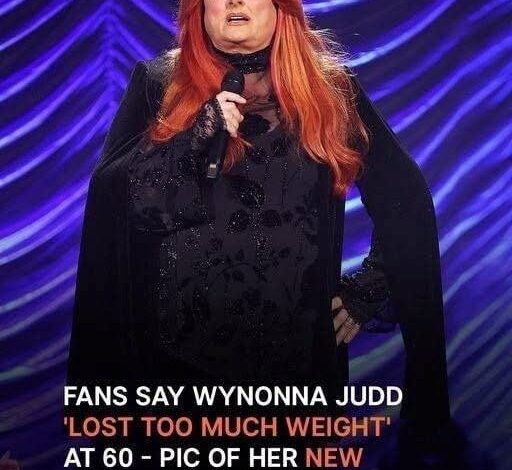
When Wynonna Judd recently stepped into the spotlight, the conversation quickly extended far beyond her music. A single appearance in a sleek black outfit sparked an avalanche of reactions, revealing just how much emotion, memory, and personal opinion people continue to attach to the bodies of public figures—especially women. What some saw as a confident new chapter, others viewed with concern, while many simply found themselves reflecting on the remarkable journey she has shared with fans for decades.
The response was immediate and deeply divided. Admirers praised her elegant appearance and applauded what they perceived as a healthier lifestyle. Others expressed worry, wondering whether the dramatic change reflected something more serious. Social media soon filled with comparisons, speculation, and heartfelt messages, demonstrating that for many people, Wynonna has never been just another country music star. She is someone whose life has unfolded alongside their own, making every visible change feel surprisingly personal.
Much of that emotional response reaches back years to one of her most candid public conversations. During an interview with Oprah Winfrey, Wynonna spoke openly about her long and often painful relationship with weight, revealing how deeply those struggles had shaped her life. She admitted that the emotional burden had followed her for years and that, for a long time, she carried much of that pain quietly—even around the people closest to her.
Her honesty resonated because it stripped away the illusion that success protects anyone from insecurity. Despite sold-out concerts, awards, and a legendary career, she described battles that countless people recognized in their own lives. That willingness to speak openly transformed her from an admired performer into someone many fans felt they genuinely understood.
Today, her noticeably slimmer appearance has reignited those memories, but the conversation has shifted in a different direction.
Some supporters celebrate what they see as a positive transformation, praising her confidence and renewed energy. Others, however, have responded with concern, posting emotional comments urging her to “take care of herself” or jokingly encouraging her to enjoy comforting Southern favorites like biscuits and gravy. While many of these remarks appear to come from a place of affection, they also highlight how quickly public curiosity can blur into personal scrutiny.
At the same time, countless fans have drawn comparisons between Wynonna and her late mother, Naomi Judd. Certain expressions, smiles, and features have reminded longtime admirers of the beloved singer, prompting touching tributes that honor both women. For those who followed The Judds through decades of performances, those similarities carry profound emotional weight, serving as reminders of a musical partnership that left an enduring mark on country music history.
Together, these reactions illustrate something much larger than a discussion about appearance. They reveal the unique relationship audiences often develop with artists who have spent decades sharing not only their talent but also pieces of their personal lives. Fans celebrate their triumphs, grieve their losses, and sometimes worry about them as though they were members of their own extended families.
That connection, however, can also create expectations. Every visible change invites interpretation. Every photograph becomes the subject of debate. Every appearance generates new theories, even when the person at the center of the discussion has offered no explanation at all.
So far, Wynonna has not publicly addressed the speculation surrounding her appearance. Without her own comments, much of the conversation remains exactly that—public reaction rather than confirmed fact. While many people continue to wonder about the reasons behind her transformation, only she can fully explain her own experience, should she choose to do so.
Until then, the questions are likely to continue. Admirers will keep sharing their opinions, expressing concern, offering compliments, and remembering the artist who has accompanied them through so many chapters of life. Yet amid the constant commentary, one image remains unchanged.
Wynonna walks onto the stage.
The lights come up.
The music begins.
And once she starts to sing, the debates fade into the background, replaced by the unmistakable voice that has defined her career for generations. Whatever conversations may continue beyond the spotlight, it is ultimately her music—not the speculation surrounding her appearance—that has forged the lasting bond between Wynonna Judd and the millions of fans who continue to cheer her on.