For decades, audiences knew Jay Leno as the man behind the late-night desk.
Today, another passion defines his legacy just as powerfully.
Cars.
Not simply as collectibles or expensive investments, but as living pieces of engineering, history, and craftsmanship that deserve to be preserved long after their owners are gone.
According to reports about his estate planning, Leno intends for much of his renowned automobile and motorcycle collection to become part of a museum through the JDM Foundation, the nonprofit organization he established in 1988. Rather than allowing one of the world’s most famous private collections to be dispersed, his long-term goal is to preserve it as an educational resource for future generations.
The decision feels entirely consistent with the life he has built.
Following his years as host of The Tonight Show, Leno devoted much of his public career to Jay Leno’s Garage, where his enthusiasm for automobiles reached millions of viewers. His collection—ranging from early steam-powered vehicles to rare classics, motorcycles, and modern supercars—became more than a personal hobby. It became a way of sharing automotive history with people who might otherwise never experience it.
That passion has come with real risks.
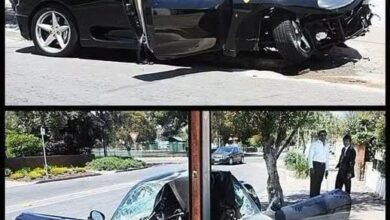
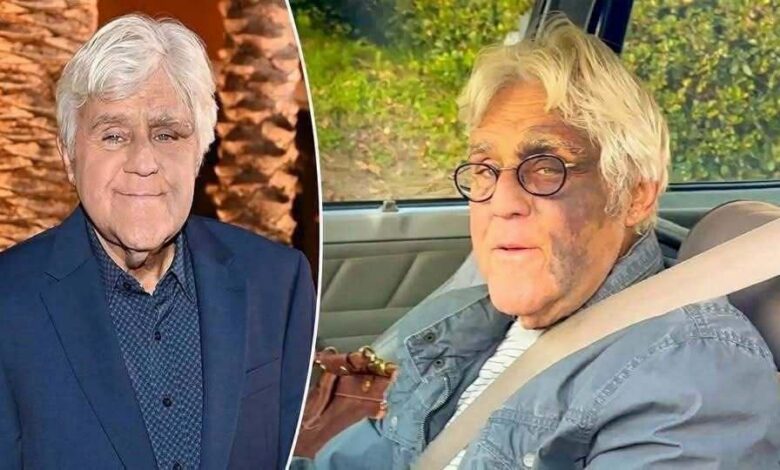
In November 2022, Leno suffered severe burns after a gasoline fire erupted while he was working on one of his vehicles in his California garage. He underwent multiple treatments and later returned to work, displaying the resilience that has long characterized both his television career and his love of restoration projects. Only a few months later, he was also injured in a motorcycle accident, sustaining multiple broken bones.
Neither experience appeared to diminish his enthusiasm for automobiles.
Instead, those close to the situation have suggested that the accidents reinforced the importance of planning for the future and ensuring that the collection remains intact rather than being scattered after his lifetime. Estate documents reported in recent years outline plans for the vehicles to be managed through trusts and ultimately transferred to the JDM Foundation, which would establish a museum dedicated to preserving and displaying the collection.
For Leno, the cars have never represented status alone.
Each vehicle tells a story about engineering innovation, industrial history, craftsmanship, or cultural change. Throughout Jay Leno’s Garage, he has consistently emphasized that automobiles are more than machines—they are historical artifacts that reflect the technology and values of the eras in which they were built.
That philosophy helps explain why his legacy appears focused less on ownership than on preservation.
Rather than allowing rare vehicles to disappear into private collections, the reported museum plan aims to keep them accessible for education and appreciation by future enthusiasts.
The transition also reflects the remarkable evolution of Leno’s career.
He spent decades entertaining audiences through comedy and late-night television before transforming his lifelong hobby into one of the most recognizable automotive media brands in the world. In many ways, his second career became just as closely associated with his identity as his first.
Today, millions know him not only as a comedian but also as one of the world’s most knowledgeable and passionate automotive collectors.
If the reported plans come to fruition, that enthusiasm will continue long after the cameras stop rolling.
Visitors will not simply see rows of polished vehicles.
They will encounter the history of transportation through machines carefully collected, restored, and preserved by someone who believed they deserved to be driven, understood, and remembered.
For Jay Leno, legacy appears to be measured not only by television ratings or comedy routines, but by the stories contained beneath chrome, steel, leather, and glass.
His career entertained millions.
His collection may continue educating generations.
And for a man whose greatest passion has always been found under the hood rather than behind a desk, that may be the most fitting final chapter of all.