When a nuclear power announces that part of its military has been placed on heightened combat readiness, the significance extends far beyond the movement of ships or the wording of an official statement. Such decisions are designed to communicate as much as they are to prepare. They send signals to allies, adversaries, and domestic audiences alike, shaping perceptions of strength, resolve, and intent. In today’s already tense security environment, every message carries added weight because misunderstanding can be as dangerous as deliberate escalation.
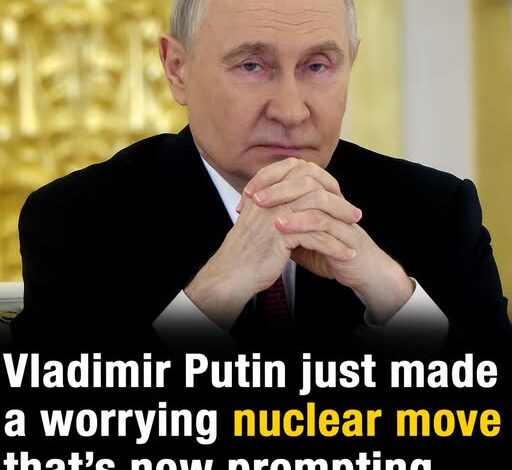
Russia’s decision to place elements of its naval nuclear forces on full combat readiness has therefore attracted intense international attention. Accompanying statements from the Kremlin have portrayed a growing range of actors—including Northern European countries, Ukraine, and the AUKUS security partnership—as contributing to what Moscow describes as an increasingly hostile strategic environment. By framing these developments as direct threats to Russian security, Russian officials have reinforced a narrative that has become a recurring feature of the country’s public messaging in recent years.
One aspect of that narrative has drawn particular scrutiny from analysts.
Russian officials have repeatedly asserted that ethnic Russians or Russian-speaking communities outside Russia face discrimination or the suppression of their rights. Similar arguments have appeared in previous periods of heightened tension, including before Russia’s military intervention in Georgia in 2008 and its actions in Ukraine beginning in 2014. Because of those historical precedents, many observers closely examine such rhetoric for clues about Moscow’s broader strategic thinking, while recognizing that public statements alone do not determine future military decisions.
History shows that language matters.
The way governments describe threats often shapes both domestic expectations and international responses. Claims of persecution, appeals to national protection, and warnings about external enemies can influence public opinion while also signaling political priorities abroad. Whether those claims are accepted or disputed by other governments, they become part of the broader diplomatic landscape in which critical decisions are made.
At the same time, heightened military readiness should not automatically be interpreted as evidence that a wider war is inevitable.
Nuclear-armed states frequently adjust force readiness, conduct exercises, and issue forceful public statements during periods of geopolitical tension. These actions can serve multiple purposes, including deterrence, reassurance of allies, domestic messaging, or strategic signaling. While such developments deserve careful attention, they do not necessarily indicate that military conflict is imminent.
The greater concern lies elsewhere.
As tensions rise, the space for misunderstanding grows smaller. Naval patrols operating in close proximity, military aircraft intercepting one another, large-scale exercises, and increasingly confrontational political rhetoric all increase the possibility that an unintended incident could escalate faster than either side initially intended. History contains numerous examples where crises intensified not because leaders actively sought war, but because fear, miscommunication, or miscalculation overtook diplomacy.
In such an environment, every decision carries greater consequences than it might during calmer periods.
Military commanders must balance readiness with restraint. Political leaders face pressure to demonstrate resolve without closing the door to dialogue. Diplomatic channels become increasingly valuable precisely because public rhetoric often becomes more confrontational. Even routine military activities can be interpreted through a lens of suspicion when trust between nations has eroded.
The international community therefore faces a delicate challenge. Governments must take security concerns seriously while avoiding assumptions that every escalation in rhetoric or military posture inevitably points toward armed conflict. Maintaining open communication, reducing opportunities for misunderstanding, and carefully managing crises remain essential tools for preventing dangerous situations from spiraling beyond anyone’s control.
Ultimately, the greatest risk is not contained in a single announcement or one military order. It emerges when repeated cycles of suspicion, fear, nationalism, and competing narratives reinforce one another until compromise becomes politically difficult and every action is viewed through the expectation of confrontation. Breaking that cycle requires patience, disciplined diplomacy, and a willingness to distinguish between strategic signaling and irreversible intent.
The coming months will likely demand exactly those qualities. Heightened vigilance is understandable, but so is the need for measured analysis rather than panic. As history repeatedly demonstrates, periods of intense geopolitical tension are shaped not only by displays of military power, but also by the choices leaders make afterward. The hope shared by much of the international community is that those choices continue to favor communication over confrontation, reducing the chances that today’s rhetoric becomes tomorrow’s irreversible reality.