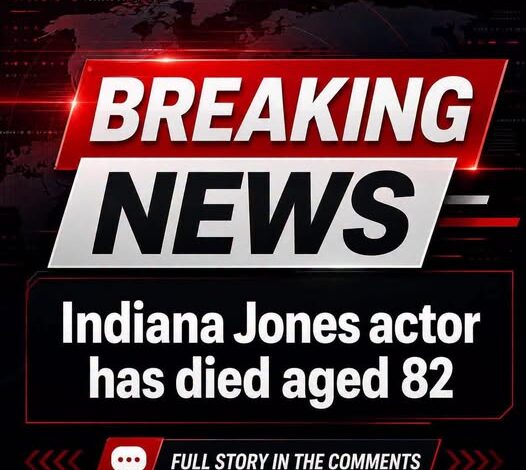
For many actors, a career ends with applause. For others, it ends with silence—a silence that leaves audiences searching for meaning long after the final performance has faded. That is the feeling surrounding the death of Michael Byrne. News of his passing at the age of 82 arrived with only a handful of details, leaving admirers not only mourning a gifted performer but also reflecting on a life that quietly slipped out of the spotlight without the farewell many had imagined.
In the years leading up to his death, Byrne had become an increasingly private figure. Fans who had followed his work caught only occasional glimpses of him: a brief appearance at a convention, a photograph shared by a fellow actor, or a thoughtful comment about taking life at a gentler pace. Those rare moments offered reassurance that the familiar face they admired was still out there, enjoying a quieter chapter after decades spent in front of cameras and audiences.
Then, almost unexpectedly, came the announcement that he had died.
The news carried a profound sense of finality, made all the more poignant by how little was publicly known about his last days. Reports noted that his former wife was by his side, a detail that quietly hinted at enduring affection and shared history. Beyond that, much remained private—a choice that many families understandably make during moments of loss.
For fans, however, the lack of details created an unusual kind of grief.
When an actor has spent years inviting audiences into fictional worlds, people naturally feel connected to them. Viewers celebrate their triumphs, revisit favorite performances, and sometimes feel as though they know the person behind the characters, even though the relationship exists entirely through the screen. When that familiar presence disappears with little explanation, it can feel as though the final chapter was removed from a book before anyone had the chance to read it.
Yet perhaps Byrne’s greatest legacy was never found in the circumstances of his passing.
It lives instead in the remarkable range of characters he brought to life.
Throughout his career, he possessed a rare ability to communicate enormous emotional depth without demanding attention. A single look could reveal quiet heartbreak. A measured pause could carry more tension than pages of dialogue. Whether portraying authority, vulnerability, quiet menace, or unexpected compassion, he consistently found the humanity within every role.
That subtle craftsmanship became one of his defining strengths.
He understood that unforgettable performances are not always the loudest ones. Often, they are built from restraint—the careful expression, the hesitant gesture, the words left unsaid. Byrne trusted audiences to notice those details, and they did. It is why so many of his characters continue to linger in memory long after the credits have rolled.
As news of his death spread, fans naturally returned to those performances.
Scenes were replayed.
Favorite clips resurfaced online.
Stories from colleagues and admirers began circulating once again, reminding people not only of the characters he portrayed but of the professionalism, generosity, and dedication he brought to his craft. For some, revisiting his work became a way of saying goodbye. For others, it was a reminder that truly gifted actors never disappear entirely as long as their performances continue to move new generations.
Questions about Byrne’s final days may never receive complete public answers.
That uncertainty can feel unsettling, especially in an era when people often expect every detail of a public figure’s life to be shared. Yet there is also dignity in allowing some parts of a person’s story to remain their own. Not every final chapter needs to be explained for a life to be understood.
Ultimately, Michael Byrne’s lasting contribution was never the mystery surrounding his final days. It was the remarkable body of work he left behind—a collection of performances that revealed extraordinary emotional truth through patience, subtlety, and quiet power. Those roles continue to speak for him in ways that no headline ever could.
Perhaps that is the most fitting farewell an actor can receive.
The curtain may have fallen without the closing speech many hoped for, but the story itself remains unfinished in the hearts of those who continue to watch, remember, and discover his work. Every time an audience is captivated by one of his performances, every time a scene is revisited with fresh appreciation, his artistry finds new life. In the end, the final line was never spoken in words. It lives on in the lasting emotional imprint he left behind—an enduring reminder that great performances do not end when the lights go down; they continue wherever someone chooses to watch, feel, and remember.