Why Leaving Your Bedroom Door Open at Night Is a Death Sentence You Are Signing Every Single Evening

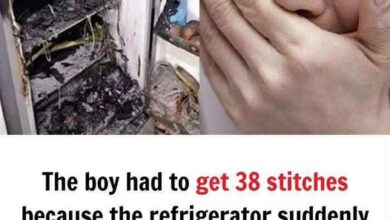
When most people picture a house fire, they imagine towering flames racing through hallways, crackling loudly enough to wake anyone in the home. It is an image shaped by movies and television—bright, dramatic, and impossible to miss. But real house fires are often far more dangerous than people realize. In many cases, the greatest threat isn’t the flames themselves. It’s the smoke that reaches you first.
Modern homes contain large amounts of synthetic materials, from upholstered furniture and carpeting to mattresses, electronics, and plastics. When these materials burn, they produce dense smoke filled with toxic gases that can spread through a house with alarming speed. Long before flames reach a bedroom, the smoke can reduce visibility, make breathing difficult, and impair a person’s ability to think clearly or even wake up. In some situations, exposure to these gases can become life-threatening within minutes.
That is why one of the simplest fire safety habits can also be one of the most effective.
Closing your bedroom door before you go to sleep creates a barrier between you and a fire that may start elsewhere in the home. It may seem like an insignificant action, but fire safety experts have long emphasized that a closed door can dramatically slow the movement of smoke, heat, and toxic gases into a room.
Instead of allowing smoke to flow freely down hallways and into sleeping areas, the closed door forces the fire to work much harder.
It slows the spread of dangerous conditions.
It reduces the amount of heat entering the room.
It limits the concentration of smoke that reaches you while you sleep.
Those few inches of wood can create a surprising difference between a room filled with deadly smoke and one that remains significantly safer for valuable extra minutes.
And in a house fire, minutes matter.
Those additional moments can be the difference between waking up alert and becoming overcome by smoke before realizing what is happening. They provide time for smoke alarms to sound, for family members to recognize the emergency, and for everyone to begin carrying out a practiced escape plan.
Firefighters also benefit from every minute gained.
The longer a bedroom remains protected from intense heat and smoke, the greater the chance that rescue efforts can succeed if someone is unable to evacuate immediately. A closed door does not stop a fire forever, but it can significantly delay its progress, creating a safer environment while help is on the way.
Of course, shutting the bedroom door is only one part of a complete fire safety plan.
Working smoke alarms remain essential. Every level of a home should have functioning smoke detectors, and the batteries should be checked regularly according to the manufacturer’s recommendations. Families should also discuss and practice escape routes so that everyone knows exactly how to leave the home quickly if an alarm sounds during the night.
Children, older adults, and anyone with limited mobility may need additional planning to ensure they can evacuate safely. Knowing who will assist whom and identifying two ways out of each room can make a critical difference during an emergency.
The remarkable thing about closing your bedroom door is that it costs nothing.
It requires no special equipment.
No expensive renovation.
No technical knowledge.
It is simply a habit—a small decision made every evening that has the potential to provide meaningful protection if the unexpected ever occurs.
Many of the most effective safety measures in life are like that. They don’t demand dramatic effort. They rely on consistency. Buckling a seatbelt, wearing a bicycle helmet, testing a smoke alarm, and closing a bedroom door all share something in common: they are simple actions taken before danger appears, when there is still time to prepare.
You cannot control when or where a fire might start.
But you can influence how prepared your family is if one ever does.
Tonight, before turning out the lights, take one extra moment. Make sure your smoke alarms are working. Review your family’s escape plan from time to time. And as you settle in for the night, close your bedroom door.
It may feel like a small gesture.
In an emergency, it could become one of the most important decisions you make before falling asleep.:::