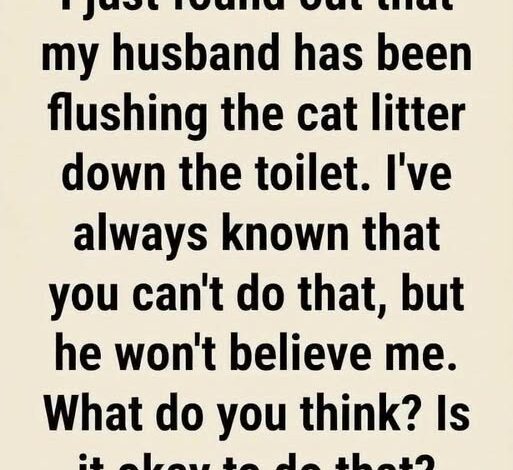
Most plumbing emergencies don’t happen overnight.
They begin with dozens—or even hundreds—of small decisions that seem completely harmless at the time. A wipe disappears down the toilet. A little cooking grease goes down the drain. A cotton swab, a paper towel, or a few strands of hair are rinsed away without a second thought.
Each one feels insignificant.
But inside your plumbing system, those everyday habits can quietly build into a costly problem waiting for the wrong moment to reveal itself.
The biggest misconception is believing that once something disappears down the drain, it’s gone forever.
It isn’t.
Many items continue their journey only until they reach a bend in the pipe, a rough connection, or another small obstruction. There, they begin to catch on tiny imperfections that most homeowners will never see.
Hair wraps itself around pipe joints.
Cotton fibers cling to rough surfaces.
Paper towels absorb water, swell, and resist breaking apart.
Grease cools into a sticky coating that traps everything passing through afterward.
Over time, those materials accumulate.
What begins as a thin layer gradually becomes a stubborn blockage capable of slowing drains, producing unpleasant odors, and eventually stopping wastewater from flowing altogether.
One of the most common offenders is the so-called “flushable” wipe.
Although many products are marketed as safe to flush, numerous plumbing professionals and wastewater utilities caution that these wipes often do not break down nearly as quickly as ordinary toilet paper. Instead, they remain largely intact as they travel through pipes, where they can become tangled with grease, hair, and other debris.
The result is a clog that grows little by little until water has nowhere left to go.
Unfortunately, these problems rarely announce themselves in advance.
The toilet may flush normally for weeks.
The sink may drain only slightly slower than usual.
Then, seemingly without warning, wastewater backs up into the bathroom, a toilet overflows, or a drain stops working completely.
What feels like a sudden disaster is often the final stage of damage that has been developing for months.
The consequences can be expensive.
Clearing severe blockages may require professional plumbing services, and if wastewater escapes into the home, the costs can quickly extend beyond the pipes themselves. Flooring, drywall, cabinets, and personal belongings may all be affected, turning a preventable clog into a stressful and costly repair.
Fortunately, avoiding many of these problems is surprisingly simple.
It starts with understanding what truly belongs in the toilet.
Human waste and toilet paper are generally the only materials designed to move safely through residential plumbing systems. Items such as baby wipes, disinfecting wipes, paper towels, facial tissues, cotton balls, cotton swabs, dental floss, feminine hygiene products, and similar household items should always be placed in the trash, even if they seem small enough to flush.
A simple trash bin beside the toilet can make this habit effortless.
Instead of reaching for the flush handle, family members have an easy alternative that helps protect the entire plumbing system.
Kitchen habits matter just as much.
Warm grease may look harmless as it flows down a sink, but once it cools inside the pipes, it begins to solidify. That sticky layer acts like glue, trapping food particles and other debris until a blockage gradually forms.
A better solution is to let grease cool completely before pouring it into a sealed container and disposing of it according to local waste guidelines.
Even small amounts can make a difference over time.
Unused medications deserve special attention as well.
Flushing medicines down the toilet or washing them into the sink can introduce pharmaceutical compounds into wastewater systems. Many communities instead encourage residents to use pharmacy take-back programs or authorized collection sites, providing a safer way to dispose of unwanted medications while helping protect local waterways.
Preventing plumbing problems doesn’t require expensive equipment or major home renovations.
It depends on a handful of everyday choices repeated consistently.
Use drain strainers to catch hair.
Throw wipes and cotton products into the trash.
Keep grease out of the sink.
Dispose of medications responsibly.
Teach children what should—and should not—be flushed.
These habits take only seconds, yet they can dramatically reduce the likelihood of clogs and backups.
In the end, the healthiest plumbing systems are rarely the result of emergency repairs.
They’re the result of quiet prevention.
A small trash bin beside the toilet.
A container for cooled cooking grease.
A moment’s pause before flushing something that doesn’t belong.
Individually, these choices seem almost too simple to matter.
Together, they can spare you from overflowing toilets, damaged floors, costly plumbing bills, and the frustration of repairs that could have been avoided.
Sometimes the most effective way to protect your home isn’t by fixing a problem after it appears.
It’s by preventing it from happening in the first place.