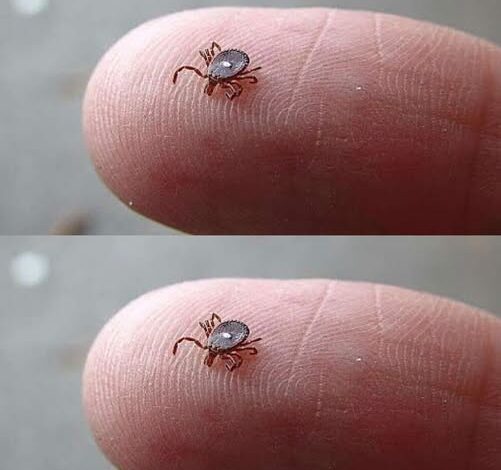
I never imagined something so small could change the way I looked at my own backyard.
The tick was barely noticeable.
Just a tiny speck clinging to my skin.
Yet the moment I realized it was a lone star tick, my heart started racing. I carefully removed it with fine-tipped tweezers, trying not to twist or crush it, then sealed it in a plastic bag in case I needed it later. I washed the bite, circled the spot with a pen so I could watch for changes, and suddenly every itch, every ache, and every glance at my skin felt loaded with meaning.
The waiting turned out to be the hardest part.
Over the next several weeks, I checked the bite constantly. I took my temperature more often than I ever had before. I caught myself wondering whether I felt unusually tired or whether my muscles were sore for reasons that had nothing to do with the tick at all.
Like so many people after a tick bite, I found myself caught between two competing thoughts.
“I’m probably overreacting.”
“What if I’m not?”
That uncertainty can be exhausting.
Most tick bites never lead to serious illness, but because some tick-borne diseases don’t cause symptoms immediately, paying attention is important. Fever, a spreading rash, severe fatigue, headaches, muscle aches, swollen lymph nodes, or other flu-like symptoms after a tick bite deserve a call to a healthcare professional. Early evaluation can make a significant difference if an infection is present.
Lone star ticks also carry another concern that many people have never heard of until they encounter one themselves: alpha-gal syndrome.
In some individuals, a lone star tick bite has been linked to the development of an allergy to a sugar called alpha-gal, found in the meat of most mammals such as beef, pork, and lamb. Unlike most food allergies, symptoms often appear three to six hours after eating, making the connection surprisingly easy to miss. Hives, stomach pain, nausea, swelling, or difficulty breathing after eating mammalian meat should be evaluated promptly by a healthcare professional.
Somewhere between the anxious internet searches and the nightly skin checks, something unexpected happened.
Fear slowly became preparation.
I stopped thinking only about what had already happened and started thinking about what I could do differently next time.
Now, before heading into wooded or grassy areas, I wear long sleeves when practical.
I tuck my pants into my socks when walking through tall vegetation.
I apply an EPA-registered tick repellent according to the label.
My dog receives veterinarian-recommended tick prevention, and I check both of us carefully after every hike or afternoon outside.
Around the house, I keep the grass trimmed, clear away leaf litter and brush, and make tick checks part of the routine instead of an afterthought.
None of these steps guarantee I’ll never find another tick.
But they do give me something that panic never could:
A plan.
The truth is, a lone star tick is still just a tiny creature.
It doesn’t deserve to dominate every walk outdoors or rob us of enjoying nature. Most encounters end without illness, and knowing how to remove a tick properly, what symptoms to watch for, and when to seek medical advice helps replace uncertainty with confidence.
That’s the strange lesson a tick can teach.
Sometimes an unsettling experience becomes the reason we develop healthier habits that protect us for years to come.
I still look a little more carefully after spending time outside.
I still pause when I feel an unexpected itch.
But those moments are no longer ruled by fear alone.
They’re guided by knowledge.
And knowledge, more often than not, is what allows us to step back into the outdoors with awareness instead of anxiety—ready to enjoy the places we love while taking sensible steps to protect ourselves along the way.