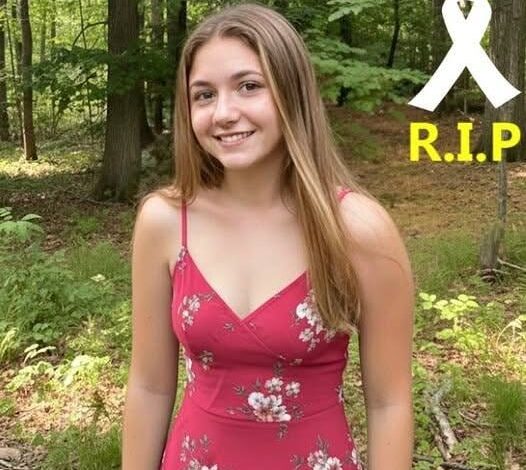
She lived by a philosophy most people only aspire to follow. Every meal was chosen with intention. Every grocery trip reflected years of discipline, research, and commitment to staying healthy. Her kitchen was stocked with fresh produce, wholesome ingredients, and foods she believed would nourish her body rather than harm it. She avoided shortcuts, ignored fad products, and trusted that a lifestyle built on careful choices would help protect her from the dangers that claim so many lives.
That is what makes her death so difficult to comprehend.
Friends and family are not mourning someone who ignored warning signs or gambled recklessly with her health. They are grieving a woman who did everything right—or at least everything society tells us is right. She embraced clean eating, prioritized nutrition, and made wellness a daily practice. Yet despite her efforts, her life was cut short by a threat she never saw coming.
In the wake of the tragedy, one question continues to echo through every conversation and investigation: how could something so ordinary become so deadly?
The answer is both unsettling and important. Danger does not always announce itself with obvious warning labels or visible signs of contamination. Sometimes it hides within the very foods we associate with health and vitality. The gap between what appears safe and what truly is safe can be far wider than most people realize.
Her story is not an indictment of vegetables, organic farming, or healthy living. Nor is it a reason to abandon the foods that form the foundation of a balanced diet. Instead, it serves as a powerful reminder that good intentions and healthy habits alone cannot eliminate every risk.
More importantly, it exposes a blind spot many of us share. We often assume that foods marketed as fresh, natural, or organic are automatically safer than their alternatives. We trust labels, appearances, and reputations without considering the invisible dangers that can exist beyond what the eye can see. Bacteria, contamination, and foodborne pathogens do not discriminate based on branding or consumer perception.
Her death forces a difficult but necessary conversation about accountability and transparency throughout the food supply chain. Consumers deserve accurate information about potential risks. Producers and distributors must be held to the highest safety standards. And all of us must recognize that vigilance remains essential, even when dealing with foods commonly viewed as healthy and wholesome.
Perhaps the most important lesson is also the simplest: “natural” does not mean risk-free.
The tragedy serves as a sobering reminder that nature can nourish us, but it can also harbor unseen threats. Respecting those risks is not fearmongering—it is responsibility. By understanding that reality, we honor her memory and take one step closer to preventing similar heartbreak in the future.