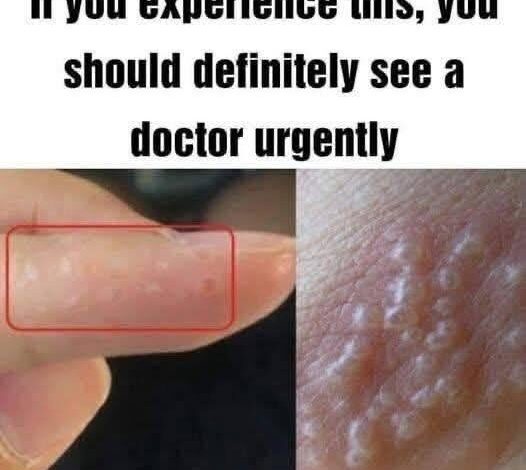
For many people, the arrival of spring signals longer days, blooming flowers, and warmer weather. But for those living with dyshidrotic eczema, the changing season can bring something far less welcome. Instead of looking forward to time outdoors, they often prepare for the possibility of another painful flare-up—one that can make even the simplest daily tasks uncomfortable and frustrating.
Dyshidrotic eczema is a chronic skin condition that most commonly affects the hands and feet. It is characterized by small, deep-seated blisters that appear suddenly beneath the skin’s surface. Though they may look tiny, these blisters can cause intense itching, burning, and tenderness that disrupt everyday life. As they heal, the skin often becomes dry, cracked, and begins to peel, creating another layer of discomfort before the next flare has even had a chance to fade.
The condition can seem unpredictable, but many people notice that certain factors increase the likelihood of an outbreak. Seasonal weather changes, particularly during spring and summer, are common triggers. Rising temperatures often lead to increased sweating, which can irritate sensitive skin and contribute to flare-ups. Emotional stress is another well-known factor, as are frequent contact with water, harsh cleaning products, certain metals such as nickel, and strong soaps or detergents that strip the skin of its natural protective barrier.
The impact extends well beyond the visible symptoms.
When blisters cover the fingers or palms, routine activities can suddenly become surprisingly difficult. Buttoning a shirt, typing on a keyboard, preparing meals, or simply holding a cup may trigger pain or irritation. Blisters on the feet can make standing or walking uncomfortable, turning ordinary errands into exhausting challenges. Because flare-ups are often recurring, many people also experience emotional frustration, knowing that symptoms may return just when they believe their skin has finally healed.
Although there is currently no permanent cure for dyshidrotic eczema, effective treatment can help manage symptoms and reduce both the frequency and severity of flare-ups. Dermatologists often prescribe topical corticosteroid creams or ointments during active outbreaks to calm inflammation and relieve itching. In more persistent or severe cases, additional treatments may be recommended depending on the individual’s needs.
Daily skin care also plays an essential role in keeping the condition under control. Applying fragrance-free moisturizers several times a day helps restore the skin’s natural barrier and reduce dryness that can lead to painful cracking. Cool compresses may provide temporary relief from intense itching and burning, while some people benefit from antihistamines if itching becomes especially disruptive, particularly at night. For individuals with stubborn or recurring symptoms, dermatologists may recommend treatments such as phototherapy, which uses carefully controlled ultraviolet light to help reduce inflammation.
Perhaps one of the most valuable long-term strategies is identifying personal triggers. Because every person’s experience is different, paying attention to patterns can help prevent future flare-ups. Some people notice symptoms worsen after handling certain metals, while others find that stress, prolonged moisture, or specific cleaning products are the primary culprits. Recognizing these triggers allows individuals to make practical adjustments that better protect their skin.
Simple preventive habits can make a meaningful difference. Wearing protective gloves while washing dishes or cleaning helps limit exposure to water and irritating chemicals. Choosing gentle, fragrance-free soaps and skincare products reduces unnecessary irritation, while keeping the skin well moisturized strengthens its natural defenses. It is also important to avoid popping or scratching the blisters, as doing so can damage the skin further and increase the risk of infection.
Living with dyshidrotic eczema requires patience, consistency, and a willingness to adapt daily routines, but many people successfully manage the condition with the right combination of treatment and preventive care. Working closely with a healthcare professional, maintaining a regular skincare routine, and learning what triggers flare-ups can significantly improve both comfort and quality of life.
While spring may continue to bring challenges for those affected, it does not have to define the season. With thoughtful care, healthy habits, and an individualized treatment plan, many people are able to reduce symptoms, protect their skin, and regain the confidence to enjoy everyday life—even during the times of year that once felt the most difficult.