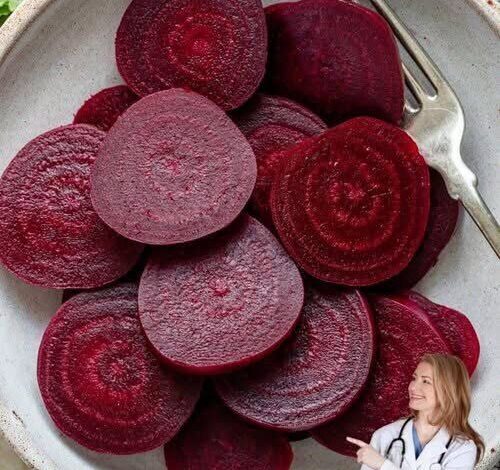
At first glance, beets may not seem especially remarkable. Their rough exterior, earthy flavor, and deep crimson color rarely earn them the spotlight reserved for trendier “superfoods.” Yet beneath that humble appearance lies an impressive combination of natural compounds, vitamins, and minerals that work together to support the body in quiet but meaningful ways. Rather than delivering dramatic overnight results, beets contribute to long-term wellness by helping your body’s own systems perform more efficiently.
One of their most notable benefits begins with naturally occurring nitrates. After you eat beets, these compounds are converted into nitric oxide, a molecule that helps relax and widen blood vessels. Improved blood vessel function allows blood to flow more easily throughout the body, supporting healthy circulation and helping deliver oxygen and nutrients where they are needed most. This process may also contribute to maintaining healthy blood pressure as part of an overall balanced diet, making beets a valuable addition to heart-conscious eating habits.
Their benefits extend well beyond circulation. Beets are an excellent source of dietary fiber, an essential nutrient that supports digestive health in several important ways. Fiber helps slow the absorption of sugars after meals, promoting steadier blood sugar levels and reducing sharp spikes and crashes that can leave people feeling fatigued or hungry soon afterward. At the same time, fiber nourishes the beneficial bacteria living in the digestive tract, encouraging a diverse and healthy gut microbiome.
That healthy gut does far more than aid digestion. Scientists continue to uncover strong connections between gut bacteria and many aspects of overall health, including immune function, inflammation, and even emotional well-being. By providing nourishment for these beneficial microbes, fiber-rich foods like beets help support one of the body’s most important internal ecosystems.
Another standout feature of beets is their vibrant color. The rich red and purple hues come from natural plant compounds known as betalains. These pigments are more than just visually striking—they also possess antioxidant properties that help protect cells from oxidative stress caused by unstable molecules known as free radicals. Over time, oxidative stress can contribute to normal aging and various chronic health concerns, making antioxidant-rich foods an important part of a balanced diet.
Research also suggests that betalains may support the body’s natural processes involved in maintaining liver health. Rather than acting as a dramatic “detox” solution, beets contribute by supporting the liver as it performs the complex job it is already designed to do. The liver continuously filters and processes substances as part of its normal function, and a nutrient-rich diet helps provide the resources it needs to carry out those responsibilities effectively.
Beyond these unique plant compounds, beets deliver an impressive variety of essential vitamins and minerals. Folate plays a key role in cell growth, DNA production, and tissue repair, making it especially important during periods of growth and development. Potassium helps regulate fluid balance, supports healthy blood pressure, and contributes to proper muscle and nerve function. Manganese assists numerous metabolic processes, helping the body convert food into usable energy while supporting bone health and antioxidant defenses. Iron, another valuable nutrient found in beets, contributes to the production of healthy red blood cells, which transport oxygen throughout the body and help maintain normal energy levels.
None of these nutrients transforms beets into a miracle food, nor should they be viewed as a replacement for medical care or a balanced lifestyle. Their value lies in something far more realistic and sustainable. They gently support the body’s existing systems, allowing them to function as efficiently as possible over time. Good nutrition rarely depends on a single ingredient. Instead, it is built through the combined effect of many wholesome foods working together day after day.
One of the greatest advantages of beets is their versatility in the kitchen. They can be roasted until naturally sweet, sliced thinly into fresh salads, blended into colorful smoothies, added to grain bowls, or incorporated into soups and side dishes. Their distinctive flavor pairs well with a wide range of ingredients, making it easy to include them in meals throughout the week without becoming repetitive.
Ultimately, the true strength of beets is not found in bold health claims or quick fixes. It comes from their ability to quietly support heart health, digestion, circulation, and overall nutrition through consistent, everyday use. They serve as a reminder that lasting wellness is rarely built through extremes or shortcuts. More often, it grows from the simple choices we make repeatedly—adding another serving of vegetables, nourishing our bodies with whole foods, and trusting that small, healthy habits practiced consistently can produce meaningful benefits over time.