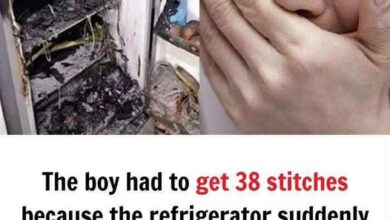
It takes only a second to leave a charger plugged into the wall when you’re finished using it. Most of us do it without a second thought, assuming that the small adapter sitting quietly in the outlet couldn’t possibly pose a problem. Yet what seems like a harmless everyday habit can gradually create unnecessary risks that are easy to avoid with a little extra attention.
Even when no phone, tablet, or laptop is connected, many chargers continue to draw a small amount of electricity. While the amount of power is typically minimal, the charger itself often remains energized. That means its internal components can continue to generate a small amount of heat, especially if it stays plugged in around the clock. Although quality chargers are designed to operate safely under normal conditions, constant exposure to heat and electrical current can contribute to gradual wear over time.
Like any electronic device, chargers are not built to last forever. As they age, internal parts can deteriorate. Insulation may begin to dry out or crack, solder connections can weaken, and components that once functioned flawlessly may become more vulnerable to failure. Most of these changes happen slowly and remain invisible from the outside, making it easy to overlook the condition of a charger that has been sitting in the same outlet for months—or even years.
The level of risk can increase when other factors come into play. A sudden power surge, a damaged outlet, or a poorly manufactured charger that lacks proper safety protections may place additional stress on the device. Counterfeit or low-quality chargers, in particular, are often built with inferior materials and may not include the safeguards found in certified products. In those situations, what once appeared to be an ordinary charger could overheat, produce smoke, or, in rare cases, start a fire.
Electrical safety is only part of the picture.
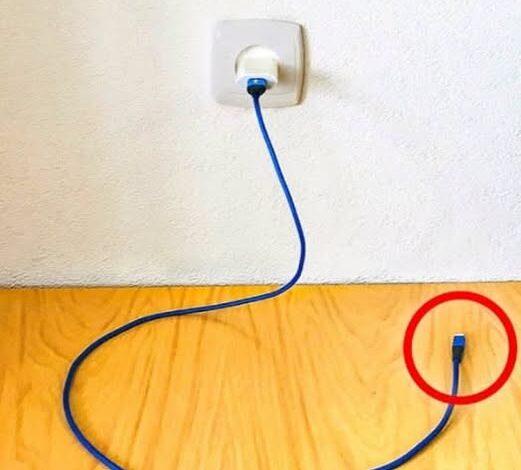
Chargers that remain plugged in also create everyday hazards around the home. A dangling cable can catch the attention of a curious child, who may tug on it without understanding the danger. Pets may chew through exposed cords, damaging the insulation and exposing live wires. Even adults contribute to wear and tear by rushing to unplug a charger with one quick pull on the cable instead of gripping the plug itself. Over time, repeated strain can weaken both the cord and the internal wiring, shortening the charger’s lifespan and increasing the chance of failure.
These small habits rarely seem significant in the moment, but their effects can accumulate over time. A frayed cable, a loose connection, or a cracked adapter is often ignored because it still appears to work. Unfortunately, visible damage is frequently a warning sign that the charger should be replaced rather than trusted to continue operating.
The good news is that reducing these risks requires very little effort. Unplug chargers when they are not in use, especially if they will be sitting idle for long periods. Regularly inspect charging cables and adapters for signs of wear, such as exposed wires, discoloration, loose connections, or unusual heat during use. Replace chargers that appear damaged or come from questionable sources, and whenever possible, choose products that meet recognized safety standards from reputable manufacturers.
It also helps to keep outlets organized and free from unnecessary clutter. Avoid overloading power strips, ensure plugs fit securely into outlets, and keep charging areas away from excessive moisture or materials that could easily catch fire. These simple precautions contribute to a safer home while helping your electronic accessories last longer.
In the end, electrical safety is often shaped by the smallest routines. Unplugging a charger, replacing a worn cable, or taking a moment to check an outlet may seem insignificant on a busy day, but those few seconds can reduce unnecessary risks and provide valuable peace of mind. Sometimes the simplest habits are the ones that make the greatest difference, proving that a brief moment of care today can help prevent a much bigger problem tomorrow.