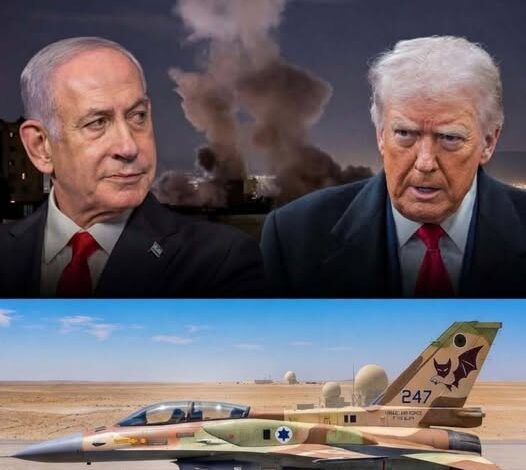
Iran’s recent missile attacks against Israel mark a major escalation in tensions that have been building across the Middle East. According to multiple reports, some of the strikes included ballistic missiles equipped with cluster-munition warheads, with targets reportedly including areas near Tel Aviv. The use of such weapons has drawn international concern because they disperse numerous smaller bomblets over a wide area, increasing the risk to civilians and leaving behind unexploded ordnance that can remain dangerous long after hostilities end.
Iranian officials have framed the attacks as retaliation for the killing of a senior security figure, an act they blame on Israel. However, analysts note that the scale and frequency of the strikes suggest a broader shift in strategy. Rather than relying primarily on allied militias and proxy groups, Tehran appears increasingly willing to engage in direct military confrontation, raising fears of a wider regional conflict.
Israel’s multilayered air-defense network, including the Iron Dome and Arrow-3 systems, has intercepted a large percentage of incoming missiles. Even so, defense experts warn that sustained barrages can place significant pressure on interception capabilities, particularly when attackers employ larger salvos, multiple launch locations, or more sophisticated tactics designed to overwhelm defensive systems.
The conflict has also expanded beyond the immediate Israel-Iran front. In recent months, Iranian forces and Iran-aligned groups have reportedly targeted U.S. military facilities and partner installations across the Gulf region, including sites in Kuwait, Bahrain, the United Arab Emirates, and Saudi Arabia. These developments have drawn the United States more directly into the crisis, prompting coordinated operations with Israel against Iranian military assets and locations suspected of supporting strategic weapons programs.
The humanitarian impact continues to grow. Reports from multiple areas describe civilian casualties, damage to critical infrastructure, and population displacement. At the same time, concerns about regional stability have fueled volatility in global energy markets, particularly because of the strategic importance of the Strait of Hormuz, through which a significant share of the world’s oil exports passes. Any disruption to shipping in the area could have consequences far beyond the region.
Diplomatic efforts aimed at reducing tensions have so far struggled to gain momentum. While international actors continue to call for restraint, both sides have signaled a willingness to continue military operations if necessary. As a result, fears of further escalation remain high.
With regional alliances hardening and additional countries potentially being drawn into the conflict, many observers warn that the consequences could extend well beyond the Middle East. A broader war would carry significant humanitarian, economic, and geopolitical costs, affecting global security, energy supplies, and international stability.
For now, the situation remains highly volatile. Whether diplomacy can regain traction before further escalation occurs may prove critical not only for the region but for the wider international community.