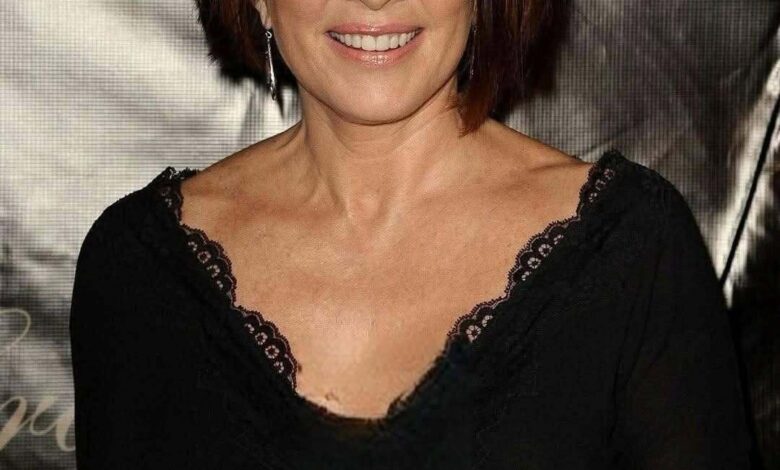
The conversation surrounding Patricia Heaton isn’t really about a single appearance or a particular set of photos. It’s about the collision between public perception and personal evolution.
For decades, many viewers associated Heaton with beloved television characters such as Debra Barone on Everybody Loves Raymond and Frankie Heck on The Middle. These roles portrayed her as relatable, practical, and deeply family-oriented, creating an image that became firmly rooted in the minds of audiences. Over time, that image grew so familiar that many people began to blur the line between the actress and the characters she portrayed.
When someone who has long been viewed through a specific lens presents a different side of themselves, reactions can be surprisingly intense. It isn’t necessarily the change itself that captures attention—it’s the challenge it poses to expectations that have existed for years.
That dynamic helps explain why public responses can become so divided. Some people see reinvention as a sign of confidence, independence, and personal growth. Others feel uncomfortable because it conflicts with the version of the person they have come to know and expect. The discussion quickly becomes less about the individual moment and more about the image people believe should be maintained.
What makes these reactions particularly interesting is that they are often influenced by broader cultural attitudes. Male actors frequently reinvent themselves, take on different personas, or embrace more complex public identities as they age without attracting the same level of scrutiny. Women, however, often face greater expectations to remain consistent with the roles or images that first made them popular.
As a result, the conversation surrounding Heaton reflects something larger than celebrity news. It highlights the ongoing tension between public expectations and personal freedom, especially for women whose careers have been built around familiar and comforting screen personas.
Viewed from a broader perspective, the reaction serves as a reminder that public figures are not static. They grow, change, and redefine themselves over time, even when audiences are reluctant to let go of the versions they remember most. The real story is not about a photograph or a public appearance—it is about who gets the freedom to evolve and whether society is willing to accept that change.