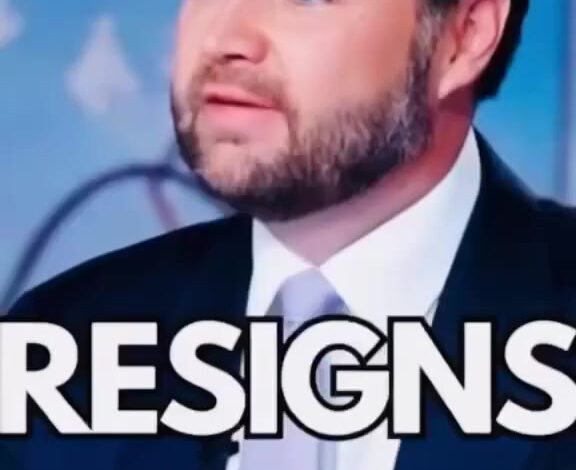
What JD Vance appeared to frame as a strategic observation about “recent battlefield experience” landed in Britain as something far more personal.
Not analysis.
Not nuance.
Disrespect.
Because across the United Kingdom, those words collided immediately with memory — not abstract geopolitical memory, but human memory. Coffins draped in Union flags. Military funerals under gray skies. Young soldiers returning home without limbs. Parents answering late-night knocks on the door that permanently divided life into before and after.
For many British veterans and military families, the issue was never whether Vance intended insult.
It was that the remark seemed to erase sacrifice so casually.
Britain lost 636 service members in Iraq and Afghanistan alongside the United States. Thousands more returned carrying invisible injuries that never fit neatly into political speeches:
trauma,
chronic pain,
broken marriages,
survivor’s guilt,
years of trying to rebuild ordinary life after war altered their nervous systems permanently.
Those experiences do not fade simply because headlines move on.
So when veterans like Johnny Mercer and Andy McNab responded publicly, their anger carried emotional weight beyond party politics. These were not detached commentators protecting national pride abstractly. They were men shaped directly by war and by proximity to those who never made it home.
To them, the implication that Britain somehow lacked meaningful “recent battlefield experience” felt not merely inaccurate, but dismissive of blood already paid.
And among former military leaders, the reaction deepened further.
Figures such as Lord West and General Sir Patrick Sanders spoke with the kind of restrained fury that often comes from people accustomed to discipline. Neither sounded interested in theatrical outrage. Instead, they spoke like men who had spent years writing condolence letters to grieving families, visiting wounded soldiers, and carrying institutional memory heavy enough to outlast political cycles.
That distinction mattered.
Because military leadership understands sacrifice differently than politicians often do. Casual rhetoric hits differently when you personally remember names, faces, funerals, and conversations with parents whose children died under your command.
For commanders shaped by Iraq and Afghanistan, the wars remain emotionally unfinished despite official withdrawals long ago.
And perhaps that is what Vance underestimated most:
allied memory.
America and Britain often describe their relationship through the language of shared history, shared values, and shared sacrifice. Those phrases can sound ceremonial until moments like this expose how deeply emotional they still remain beneath diplomacy.
The so-called “special relationship” is not built only on treaties or intelligence-sharing agreements.
It is built on graves too.
British troops fought beside Americans in some of the most politically controversial conflicts of the modern era precisely because alliance carried moral and strategic weight. Many in Britain questioned those wars fiercely at the time. Yet soldiers still deployed. Families still endured separation. Lives were still lost under the assumption that sacrifice alongside allies mattered and would be remembered as such.
That is why the reaction spread quickly through Westminster.
Conservative MP James Cartlidge condemned the remarks as “deeply disrespectful,” articulating frustration many lawmakers immediately recognized would resonate far beyond partisan lines. James Cleverly and others emphasized Britain’s military record directly, not merely to defend national honor, but to reaffirm shared sacrifice publicly before silence itself risked becoming agreement.
Even Keir Starmer — measured almost to a fault in moments of international tension — responded with careful firmness.
His language reflected a balancing act modern leaders increasingly struggle to maintain:
defending national dignity without inflaming alliance fractures further.
Starmer wrapped his response in pride and partnership simultaneously, signaling that Britain still values the alliance deeply while refusing to let the sacrifices of British personnel be minimized casually.
That tone revealed something important.
This controversy was never truly about one sentence alone.
It was about recognition.
Recognition of who fought.
Who died.
Who carried consequences afterward.
Because military alliances depend not only on strategy, but mutual respect. Nations tolerate enormous political strain when they believe sacrifice is acknowledged honestly. The moment one ally appears to treat another’s losses as secondary or forgettable, resentment surfaces quickly beneath the diplomatic language.
Vance later attempted clarification.
But clarifications rarely undo emotional impact once grief and national identity become involved. By then, veterans had already heard the original implication. Families had already revisited memories of sons and daughters buried after serving beside Americans overseas. Politicians had already recognized how deeply the remark cut into questions of loyalty and respect.
And perhaps the deeper issue was not factual disagreement at all.
It was tone.
Modern politics increasingly rewards bluntness, provocation, and offhand certainty. Public figures speak rapidly into media ecosystems designed to amplify conflict before reflection catches up. Nuance collapses easily beneath soundbites. A phrase intended as strategic commentary becomes interpreted as moral judgment once released into emotionally charged public space.
Military sacrifice is especially vulnerable to that collapse because war memory remains sacred territory for many people regardless of political ideology.
You can debate policy.
Debate intervention.
Debate strategy.
But once soldiers die, their service becomes emotionally protected in public consciousness. Casual language around those sacrifices triggers backlash precisely because it feels like violating something larger than politics itself.
That is what this controversy ultimately exposed:
how fragile trust between allies can feel during periods of constant global instability.
The wars in Iraq and Afghanistan already left complicated legacies on both sides of the Atlantic:
questions about leadership,
intelligence failures,
cost,
purpose,
and whether the sacrifices demanded were fully justified.
Many veterans still wrestle privately with those questions years later.
So when public figures appear dismissive of allied contributions, old wounds reopen quickly. Not because people crave endless praise, but because memory itself feels endangered. Soldiers want to believe the nations they served beside remember honestly what was shared.
Especially the cost.
And perhaps that is why the anger surrounding Vance’s comments resonated so powerfully beyond political tribes.
Because beneath the headlines sat something painfully human:
families wanting assurance that the lives lost in distant deserts still matter in the national memory of allied countries.
That their sons and daughters were not footnotes.
Not secondary participants.
Not forgotten.
Just remembered properly.
In the end, the controversy revealed a difficult truth about modern alliances:
trust is not maintained solely through military cooperation or diplomatic statements.
It is maintained through respect.
Through language.
Through careful acknowledgment of sacrifice.
And in an age where every sentence travels instantly across oceans, even one careless remark can shake assumptions once believed untouchable —
especially between allies who buried their dead side by side.