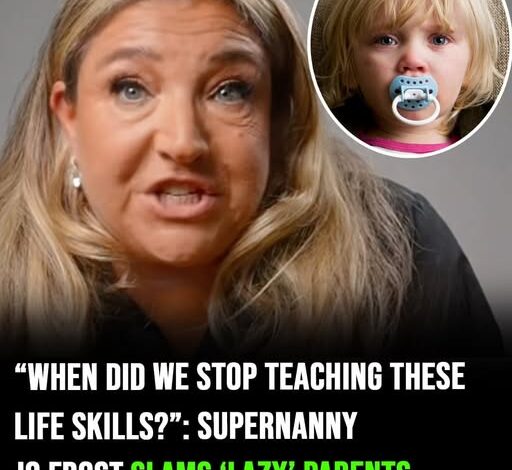
Jo Frost’s message resonates because it speaks directly to a concern many parents rarely admit aloud: the fear that good intentions may sometimes get in the way of raising capable, independent children.
Her argument is not that parents care too little. In fact, it is often the opposite. Out of love, convenience, or sheer exhaustion, many adults step in too quickly—pushing the stroller instead of encouraging a child to walk, offering a pacifier at the first sign of discomfort, or completing simple tasks that children are fully capable of learning themselves. While these shortcuts may make life easier in the moment, Frost warns that they can gradually rob children of opportunities to build confidence, resilience, and self-reliance.
At the heart of her message is a call for patience rather than perfection. Teaching a child to tie their shoes, ride a bicycle, sit through a family meal, clean up after themselves, or manage basic hygiene is rarely quick or easy. It requires repetition, mistakes, frustration, and time—resources that many busy parents feel are already in short supply. Yet these everyday lessons are the building blocks of independence.
Frost argues that childhood is not simply about keeping children comfortable; it is about preparing them for life. Every small skill mastered teaches a child that they are capable of solving problems, facing challenges, and navigating the world on their own. Confidence grows not from having everything done for them, but from discovering what they can do for themselves.
Her message is both simple and challenging: if we consistently choose convenience over teaching, we should not be surprised when children struggle with responsibilities later on. Raising independent young people requires slowing down, allowing room for mistakes, and investing time in lessons that may seem small today but carry lasting value.
Ultimately, Frost’s warning is less about criticism and more about opportunity. Children are often capable of far more than adults realize. The question is whether we are willing to give them the time, guidance, and trust they need to prove it.