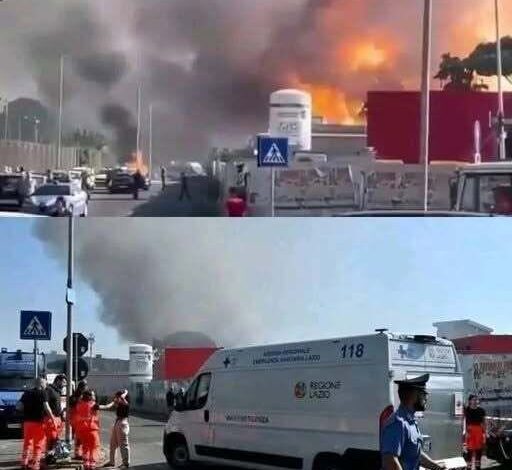
A normal morning commute became a nightmare in seconds.
Mexico City was thrown into shock after a massive road disaster erupted along the busy Iztapalapa–Chalco highway, turning an ordinary stretch of traffic into a scene of fire, panic, and devastation. A tanker carrying more than 13,000 gallons of liquefied petroleum gas overturned during rush hour and exploded, sending a huge fireball into the sky and leaving destruction across the roadway.
Witnesses described the blast as a deafening roar that shook nearby homes and shattered the calm of the morning. Thick black smoke rose above the highway as flames raced across vehicles trapped in traffic. Drivers and passengers had only moments to react. Some abandoned their cars and ran. Others were caught before they could escape.
Within minutes, more than 30 cars and motorcycles had been swallowed by fire.
The human cost was devastating.
At least 15 people were killed, and more than 70 others were injured, many suffering severe burns and smoke inhalation. Hospitals across eastern Mexico City were quickly overwhelmed as emergency crews transported victims from the scene. Outside medical centers, families waited anxiously for news, hoping their loved ones had survived the inferno.
The explosion damaged more than vehicles. Nearby homes and businesses were also shaken by the force of the blast. Residents said the ground trembled as if an earthquake had struck. For communities near Iztapalapa and Chalco, the burned highway became a painful reminder of how quickly routine life can become tragedy.
As investigators examined the wreckage, urgent questions began to emerge.
Authorities are reviewing whether excessive speed, mechanical failure, driver error, or regulatory problems contributed to the disaster. Reports suggesting the tanker may have lacked proper permits or adequate insurance have intensified public anger and renewed debate over the transport of hazardous materials through crowded urban areas.
For many residents, this was not simply an accident.
It was a warning.
Safety advocates are calling for stricter inspections, stronger enforcement, and new rules requiring fuel tankers to avoid densely populated routes whenever possible. They argue that without meaningful reform, another disaster like this could happen again.
Today, the Iztapalapa–Chalco highway stands as both a crime scene and a place of mourning. Flowers, candles, and tributes now mark the area where flames consumed lives in a matter of moments.
For survivors and grieving families, one message is clear: no morning commute should become a death sentence.
And if this tragedy is to mean anything, it must lead to change.