The Simple Egg-Cooking Trick That Changes Everything
For something as simple as boiling an egg, it’s surprising how often the results can be disappointing. Cracked shells, rubbery whites, difficult peeling, and that unattractive green ring around the yolk seem to happen far too often.
For years, I assumed those problems were simply part of the process.
Then I discovered a method commonly used by professional chefs, and everything changed.
Suddenly, my eggs came out perfectly every time. The yolks stayed bright yellow, the whites remained tender, and the shells peeled away effortlessly. It completely transformed a kitchen task I had always considered routine.
The best part?
The secret isn’t complicated at all.
Why the Green Ring Appears
That gray-green ring around a hard-boiled egg yolk isn’t a sign that the egg is bad. It’s simply the result of overcooking.
When eggs remain exposed to heat for too long, iron from the yolk reacts with sulfur found in the egg white. The reaction creates the greenish discoloration that many people find unappealing.
Fortunately, preventing it is incredibly simple.
The key is controlling the cooking time and stopping the cooking process immediately once the eggs are done.
The Chef’s Method
Many professional cooks rely on a straightforward technique that consistently produces excellent results.
- Place the eggs in a pot and cover them with cold water.
- Bring the water to a gentle boil.
- As soon as the water reaches a boil, turn off the heat completely.
- Cover the pot with a lid.
- Let the eggs sit in the hot water for exactly 10 minutes.
- Transfer the eggs immediately into a bowl filled with ice water.
That’s it.
No complicated equipment.
No special gadgets.
Just precise timing and rapid cooling.
Why Ice Water Matters
The ice bath is just as important as the cooking process itself.
Moving the eggs into ice water immediately stops the cooking process. This prevents the yolks from overcooking, preserves their bright color, and helps maintain a smooth, creamy texture.
The rapid cooling also makes the shells easier to remove, reducing the frustration of peeling eggs that lose chunks of egg white in the process.
Extra Tips for Easy Peeling
For even better results, consider these simple tricks:
- Use eggs that are several days old rather than extremely fresh eggs.
- Add a small amount of vinegar or salt to the cooking water to help minimize cracking.
- Gently tap the eggs and roll them before peeling to loosen the shell.
- Peel the eggs under running water for even easier removal.
The Difference Is Noticeable
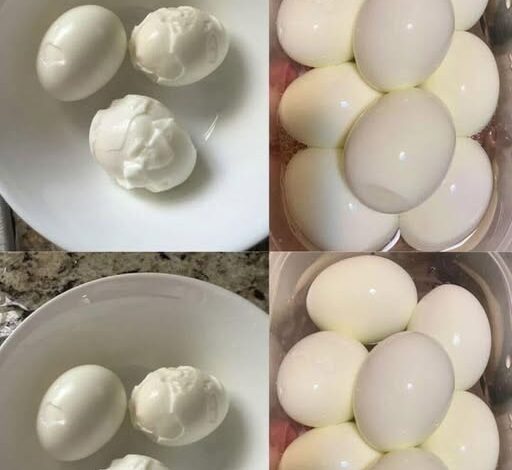
After switching to this method, the improvement was immediate.
The shells slipped off effortlessly.
The whites remained smooth and intact.
The yolks stayed bright, vibrant, and perfectly cooked without any trace of discoloration.
Whether you’re preparing eggs for breakfast, salads, sandwiches, or weekly meal prep, the results are consistently impressive.
What surprised me most wasn’t how effective the method was—it was how simple it turned out to be.
No special tools.
No complicated techniques.
Just proper timing and a bowl of ice water.
Sometimes the smallest changes in the kitchen deliver the biggest improvements, and this simple egg-cooking method proves that perfectly every time.