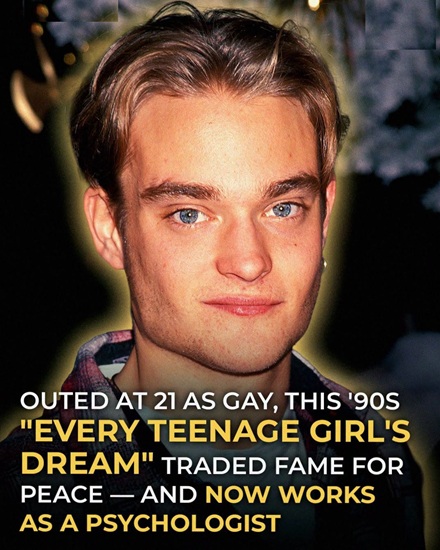
He was once considered a ’90s heartthrob — now he lives a completely different life as a psychologist.

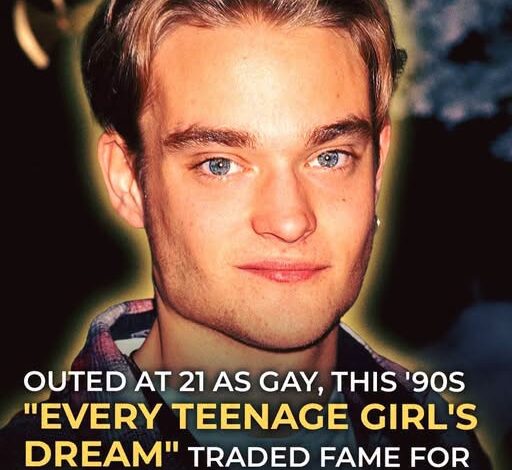
By the time Chad Allen was ten years old, he had already experienced a world most children could barely imagine.
While classmates spent afternoons riding bicycles, playing video games, and worrying about homework, Chad was learning lines, hitting marks, and working under bright studio lights. His childhood unfolded on television sets instead of playgrounds, surrounded by cameras, directors, and production schedules that demanded a level of discipline far beyond his years.
To millions of viewers, he seemed to have the perfect life.
He was talented.
Recognizable.
Successful.
The kind of young actor who appeared destined for a lifetime in Hollywood.
But behind the smiles on screen and the glossy magazine covers, a very different story was taking shape—one that would eventually lead him far away from fame and into a completely different life.
Chad’s journey into entertainment began almost before he was old enough to understand what acting really was.
From an early age, he displayed a natural comfort in front of cameras. What started as small opportunities quickly grew into something much bigger. Producers noticed his charm, his emotional range, and his ability to connect with audiences.
Before long, he was appearing regularly on television.
As the years passed, his face became familiar in living rooms across America.
Viewers watched him grow up on screen.
Parents admired his wholesome image.
Teen magazines featured his photographs.
Casting directors saw him as one of the industry’s most promising young performers.
To the public, Chad Allen represented success.
To Chad himself, acting often felt like play.
At least in the beginning.
As a child, he wasn’t thinking about ratings, contracts, publicity, or career strategy. He enjoyed stepping into different characters and telling stories. The cameras didn’t intimidate him.
Performing felt natural.
Fun.
Exciting.
But childhood fame comes with hidden costs.
Costs that many young performers don’t fully recognize until years later.
While audiences saw glamorous premieres and successful television roles, Chad’s daily reality looked very different.
Long filming hours replaced many ordinary childhood experiences.
School schedules revolved around production demands.
Friendships were harder to maintain.
Privacy became increasingly rare.
And as his popularity grew, expectations followed closely behind.
The pressure was subtle at first.
Then constant.
By his teenage years, Chad began noticing something important.
Much of his life had been planned for him.
Producers determined schedules.
Studios influenced opportunities.
Public expectations shaped how he was perceived.
For someone who had spent most of his life performing, a simple question began to emerge:
Who was he when the cameras stopped rolling?
It wasn’t an easy question to answer.
And that uncertainty led him to make a surprising decision.
At a point when many young actors would have pushed even harder toward fame, Chad chose to step away.
Not forever.
But long enough to experience something he had largely missed.
A normal adolescence.
For the first time in years, he attended school more regularly.
Participated in everyday activities.
Spent time with peers whose lives weren’t connected to television ratings or casting calls.
He wanted to understand what life felt like outside Hollywood.
Ironically, it was during this break from professional acting that Chad rediscovered what he genuinely loved about performing.
School theater offered something television often couldn’t.
Freedom.
There were no network executives.
No audience expectations.
No commercial pressures.
Just creativity.
Collaboration.
Storytelling.
The experience reminded him why he had fallen in love with acting in the first place.
Yet even as his appreciation for performance returned, his relationship with fame remained complicated.
Like many former child stars, Chad found adulthood challenging in ways outsiders rarely understood.
Growing up in public creates unique struggles.
When millions of people think they know you, discovering your authentic identity can become surprisingly difficult.
The image people recognize isn’t always the person you are.
And separating those two things takes time.
For Chad, that journey became even more complicated as he faced personal struggles during his early adult years.
The transition from child star to adult life wasn’t seamless.
He later spoke openly about periods marked by emotional pain, substance abuse, and self-destructive behavior.
Behind the scenes, he was fighting battles few people knew existed.
The pressure of public expectations.
Questions about identity.
The lingering effects of growing up in an industry that often rewards performance while neglecting personal well-being.
Eventually, those struggles reached a turning point.
Important relationships suffered.
The consequences became impossible to ignore.
And Chad realized something needed to change.
Recovery wasn’t instant.
It rarely is.
Instead, it became a gradual process of rebuilding.
One decision at a time.
One day at a time.
With support, accountability, and determination, he began creating a healthier foundation for his future.
At the same time, another deeply personal challenge entered the spotlight.
One he hadn’t chosen to share publicly.
During his early twenties, photographs revealing his relationship with a same-sex partner were published without his consent.
The experience was deeply invasive.
At a time when public attitudes toward LGBTQ+ individuals were still evolving, the situation placed Chad under intense scrutiny.
Suddenly, he wasn’t only navigating personal questions about identity.
He was navigating them in front of an audience.
The pressure was immense.
Media attention intensified.
Speculation increased.
Private matters became public conversations.
For many people, such an experience could have been devastating.
In some ways, it was.
But something unexpected happened.
Messages began arriving from people across the country.
Young people.
Families.
Individuals struggling with their own identities.
Many expressed gratitude.
Not because Chad had chosen to become a public symbol.
Because seeing someone visible and successful living authentically gave them hope.
Those messages changed him.
Gradually, he began understanding that honesty could create connection.
That vulnerability could create impact.
And that his experiences might help others feel less alone.
Family relationships also evolved during this period.
Like many families navigating difficult conversations about sexuality and identity, there were moments of tension, confusion, and misunderstanding.
But time has a way of creating opportunities for growth.
Conversations continued.
Perspectives shifted.
Relationships healed.
And what began as struggle gradually transformed into greater understanding.
Meanwhile, Chad’s career priorities were changing as well.
Hollywood no longer held the same appeal it once had.
He continued acting in select projects, particularly independent films and theater productions, but his focus was shifting elsewhere.
He wanted more than applause.
More than recognition.
More than another role.
He wanted purpose.
That search eventually led him somewhere few people expected.
Back to school.
Back to learning.
Back to a completely different future.
Chad became fascinated by psychology.
Human behavior.
Trauma.
Recovery.
Resilience.
The subjects weren’t merely academic interests.
They connected deeply with his own experiences.
The more he studied, the more certain he became.
Helping people heal mattered to him in a way fame never had.
The decision surprised many people.
After all, how often does a former television star walk away from Hollywood to pursue clinical psychology?
Yet Chad committed himself fully.
Years of study followed.
Graduate education.
Clinical training.
Research.
Professional development.
The process required patience, discipline, and dedication.
But unlike the pressures of childhood fame, this path felt deeply personal.
Meaningful.
Authentic.
Eventually, he earned a doctoral degree in clinical psychology.
The transformation was remarkable.
The child actor once recognized in magazines and television promotions had become a mental health professional dedicated to helping others navigate emotional challenges.
Today, Chad works with individuals facing trauma, anxiety, life transitions, and personal struggles.
His focus is no longer on entertaining audiences.
It’s on helping people heal.
The skills are different.
But in some ways, the mission isn’t entirely unrelated.
Both careers involve connection.
Empathy.
Understanding human experiences.
The difference is that one seeks applause.
The other seeks transformation.
Looking back, Chad Allen’s story isn’t simply about Hollywood.
It’s about reinvention.
It’s about discovering that success can evolve.
That identities can change.
That childhood fame doesn’t have to define an entire lifetime.
Many people remember him as the talented young actor who appeared on television screens across America.
Others know him as an advocate, a survivor, or a voice for authenticity.
Today, however, Chad Allen is something even more remarkable.
A man who refused to let his past determine his future.
A person who experienced fame, hardship, public scrutiny, recovery, and reinvention—and emerged with a stronger sense of purpose than ever before.
His journey serves as a reminder that life rarely follows a straight line.
Sometimes the path we begin on isn’t the one we’re meant to finish.
Sometimes success means walking away from what the world expects.
And sometimes the most meaningful role we ever play is simply becoming ourselves.
For Chad Allen, the cameras eventually stopped rolling.
But the most important chapter of his story was only just beginning.