Simple Floor-Cleaning Habits That Help Keep Your Home Fresher Longer
Keeping floors clean can feel like a never-ending task. You sweep, vacuum, and mop, only to notice dust, footprints, or dull spots returning a day or two later. For busy households, maintaining spotless floors often feels more challenging than the cleaning itself.
The good news is that keeping floors looking fresh does not always require expensive products or complicated routines. Consistent habits, proper preparation, and the careful use of common household cleaning ingredients can make a noticeable difference.
Why Floors Seem to Get Dirty So Quickly
Even after a thorough cleaning, floors are constantly exposed to dust, dirt, and everyday wear.
Several factors contribute to this:
- Dust particles carried through the air
- Shoes tracking in dirt and debris
- Cooking oils and food residues
- Pet hair and dander
- Static electricity that attracts dust to surfaces
Many of these particles are so small that they are not immediately visible, yet they gradually create a dull appearance and make floors feel dirty sooner than expected.
Start With Proper Preparation
One of the most overlooked steps in floor cleaning is preparing the surface before mopping.
Always:
- Sweep thoroughly
- Vacuum corners and edges
- Remove hair, crumbs, and loose debris
Skipping this step can cause a mop to spread dirt rather than remove it. Taking a few extra minutes beforehand often produces noticeably better results.
Common Household Ingredients Used in Cleaning
Many people supplement their regular floor-cleaning routine with simple ingredients already found at home.
Mild Dish Soap
Helps break down grease and oily residue, especially in kitchens.
White Vinegar
Commonly used as a diluted cleaning agent for many hard surfaces.
Baking Soda
Often used to help reduce odors and loosen minor stains.
Rubbing Alcohol
Evaporates quickly and may help reduce streaking on some surfaces.
Fabric Softener
Some homeowners add a very small amount to reduce static and leave a fresh scent.
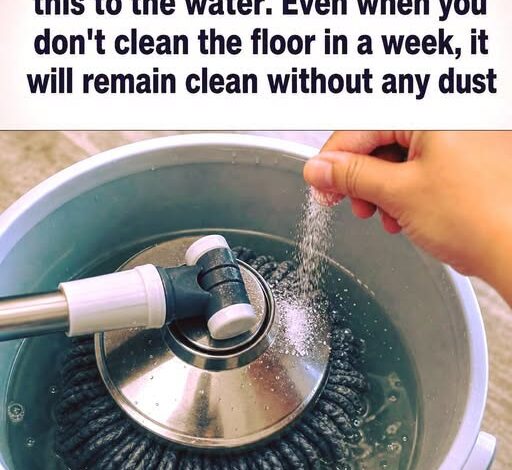
Salt
Occasionally used in traditional cleaning methods as a mild scrubbing aid.
A Simple Homemade Mop Solution
A basic cleaning mixture often includes:
- Warm water
- A few drops of mild dish soap
- A small amount of white vinegar (if appropriate for your floor type)
Mix gently and use a well-wrung mop to avoid excess moisture.
The goal is not to soak the floor but to lightly clean the surface while removing residue and dust-attracting buildup.
Mopping Tips for Better Results
To maximize cleanliness:
- Mop in sections rather than randomly across the room.
- Rinse the mop regularly.
- Change dirty water when needed.
- Avoid leaving standing water on floors.
- Allow the surface to dry naturally with good ventilation.
These simple habits often make more difference than adding additional cleaning products.
Important Surface Safety Considerations
Not every cleaning solution is appropriate for every floor.
Different materials react differently:
- Tile generally tolerates a variety of cleaners.
- Vinyl requires gentle solutions.
- Laminate can be damaged by excessive moisture.
- Hardwood may be sensitive to vinegar and water exposure.
Always check manufacturer recommendations and test any new solution in a small, hidden area before cleaning the entire floor.
Consistency Matters More Than Perfection
No cleaning method can completely prevent dust from returning. Dust is a normal part of everyday life.
However, consistent maintenance can dramatically reduce buildup.
A simple routine of:
- Regular sweeping or vacuuming
- Prompt cleanup of spills
- Weekly mopping
- Proper ventilation
can keep floors looking cleaner and fresher for longer periods without requiring excessive effort.
Final Thoughts
A clean floor is rarely the result of one miracle product. More often, it comes from consistent habits and simple routines repeated over time.
By preparing floors properly, using appropriate cleaning solutions, and choosing methods that suit your specific flooring type, you can reduce buildup, maintain a fresher appearance, and make household cleaning feel far more manageable.
Sometimes the most effective cleaning strategies are also the simplest: a little preparation, a little consistency, and a routine that works for your home.