The night began like any other.
The neighborhood was wrapped in a peaceful silence, the kind that makes people feel safe enough to leave porch lights off and curtains open. Streetlamps cast pale pools of light across empty sidewalks, while most families slept soundly behind locked doors.
Nothing seemed unusual.
Nothing seemed wrong.
Then the sirens came.
At first, they were distant.
A faint wail drifting through the darkness.
But with each passing second, the sound grew louder, cutting through the stillness like a warning.
Several neighbors would later remember hearing them and glancing out their windows, wondering what emergency was unfolding somewhere nearby.
None of them imagined it was happening just down the street.
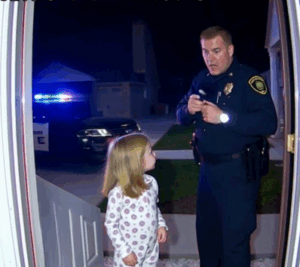
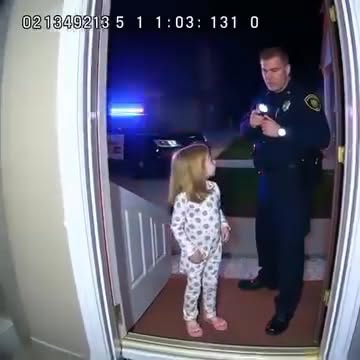
Inside a modest home at the end of the block, two police officers stepped from their patrol car and approached the front door.
Years of experience had taught them to recognize certain calls.
Some emergencies arrived with chaos.
Others arrived with silence.
And silence was often worse.
The dispatch information had been brief but troubling.
The caller was seven years old.
The child claimed her parents wouldn’t wake up.
Even before entering the house, the officers felt the weight of what they might find.
They exchanged a quick glance.
No words were needed.
Then they stepped inside.
The house was eerily quiet.
Not the peaceful quiet of a sleeping family.
Something heavier.
Something still.
Their flashlights swept across the living room.
Family photographs lined the walls.
A half-finished puzzle sat on a coffee table.
A child’s backpack rested beside the front door.
Everything appeared normal.
Painfully normal.
It looked like a home where life had simply paused.
The officers moved carefully down the hallway.
The deeper they went, the stronger their unease became.
Experience whispered that something was terribly wrong.
When they reached the bedroom doorway, both men stopped.
A man and a woman lay side by side in bed.
Their hands loosely intertwined.
Their faces peaceful.
Almost serene.
For one brief moment, it looked as though they were simply sleeping.
One officer stepped forward.
“Sir?”
Nothing.
“Ma’am?”
Silence.
The second officer moved closer.
His training took over automatically.
Checking.
Observing.
Assessing.
But even before completing the examination, he knew.
The stillness told the story.
The absence of movement.
The absence of breath.
The absence of life.
Slowly, he looked at his partner.
No words were exchanged.
There was no need.
The truth had already settled between them.
The couple was gone.
For several seconds, neither officer moved.
The room seemed frozen in time.
The hum of electricity.
The distant sirens outside.
The sound of their own breathing.
Everything felt unnaturally loud.
Then reality returned.
There was still a child in the house.
And that child needed them.
Immediately.
The officers returned to the living room.
There, standing beside the couch, was seven-year-old Lily.
She held a small stuffed rabbit tightly against her chest.
Its fur was worn from years of comfort.
Its ears drooped from being carried everywhere.
Lily’s eyes followed the officers as they entered the room.
Wide.
Searching.
Hopeful.
One officer knelt so they were at eye level.
His voice softened.
“Hi, Lily.”
She nodded.
“You were very brave to call us.”
Again, she nodded.
Her fingers tightened around the stuffed animal.
Only then did they notice her hands trembling.
She wasn’t calm.
She was terrified.
She was simply doing her best not to show it.
The officers guided her gently toward the couch and switched on a nearby lamp.
Warm light filled the room.
The atmosphere softened slightly.
Not because the tragedy had changed.
But because a frightened child needed reassurance.
And reassurance often begins with small things.
Simple things.
One officer asked about her stuffed rabbit.
“What is its name?”
“Bunny,” she whispered.
A tiny smile appeared.
Just for a moment.
Then disappeared.
The officers kept talking.
Favorite colors.
Favorite cartoons.
School.
Anything to keep her grounded.
Anything to help her feel less alone.
As the conversation continued, Lily slowly began explaining what had happened.
Earlier that evening, everything had been normal.
Dinner.
Laughter.
Bedtime stories.
The same routine her parents followed every night.
Her mother had read to her before bed.
Her father kissed her forehead and reminded her that he loved her.
Nothing felt unusual.
Nothing felt wrong.
Then sometime during the night, Lily woke up from a bad dream.
Like countless children before her, she went searching for comfort.
She padded quietly down the hallway toward her parents’ room.
At first, she thought they were sleeping.
She called their names.
No answer.
She climbed onto the bed.
Still nothing.
Minutes passed.
Confusion slowly became fear.
Something felt wrong.
Very wrong.
Most children would have panicked.
Some would have hidden.
Others might have waited for morning.
Lily did something extraordinary.
She picked up the phone.
And called for help.
The dispatcher who answered would later describe her voice as frightened but remarkably composed.
Small.
Shaking.
Yet determined.
“My mommy and daddy won’t wake up,” she had said.
“They’re sleeping… but something’s wrong.”
Those simple words triggered the response that brought officers racing through the night.
Soon, paramedics arrived.
Additional officers followed.
Then investigators.
The assessment confirmed what everyone feared.
Lily’s parents had passed away.
The exact cause would require further examination.
But there were no signs of violence.
No signs of forced entry.
No evidence suggesting Lily had been in danger.
The house remained exactly as it had been hours earlier.
A snapshot of an ordinary family evening interrupted by tragedy.
Outside, neighbors began gathering.
Some stood on porches.
Others wrapped blankets around their shoulders and watched quietly from driveways.
Whispers spread through the crowd.
No one knew exactly what had happened.
But everyone understood a child’s life had changed forever.
A social worker named Amanda arrived shortly afterward.
She approached Lily carefully.
Patiently.
With the gentle confidence that comes from helping children through impossible moments.
Wrapping a blanket around her shoulders, Amanda sat beside her.
“You are safe,” she said softly.
“We’re going to take care of you.”
For the first time that night, Lily looked vulnerable.
Really vulnerable.
Her brave expression cracked.
And then she asked a question that left everyone struggling to hold back tears.
“When will my mommy and daddy wake up?”
The room fell silent.
Because there are moments in life when no answer feels adequate.
No explanation feels fair.
Only compassion remains.
As dawn approached, sunlight slowly filtered through the windows.
The darkness retreated.
But grief remained.
Relatives were contacted.
Plans were made.
Support systems activated.
Everyone focused on one thing.
Making sure Lily never faced this loss alone.
In the days that followed, something remarkable happened.
The community rallied around her.
Flowers appeared on the front porch.
Cards filled with handwritten messages arrived daily.
Neighbors who barely knew one another suddenly found themselves united by a shared desire to help.
At school, teachers organized support.
Classmates drew pictures.
Wrote letters.
Offered friendship in the simple, honest way children often do best.
Slowly, Lily began healing.
Not because the pain disappeared.
But because she learned she didn’t have to carry it by herself.
Therapists described her as resilient.
Thoughtful.
Compassionate beyond her years.
She learned that courage isn’t the absence of fear.
It’s acting despite fear.
As she grew older, she often spoke about her parents with quiet affection.
One day, when asked where she thought they were, she looked toward the sky and smiled.
“They live in the stars now.”
Simple.
Beautiful.
And somehow enough.
Years passed.
Lily continued growing.
Learning.
Dreaming.
Building a future her parents would have been proud to see.
But one tradition never changed.
Every year on her birthday, a card arrived in the mail.
No lengthy message.
No dramatic sentiment.
Just a simple note signed:
“From your friends who came when you called.”
The officers never forgot her.
And she never forgot them.
Because that night wasn’t only a story about loss.
It was a story about courage.
About community.
About people choosing kindness when kindness was needed most.
The tragedy will always remain part of Lily’s story.
But it does not define her.
What defines her is what she did next.
A frightened seven-year-old faced a situation that would overwhelm many adults.
And she found the strength to ask for help.
Sometimes heroes don’t wear uniforms.
Sometimes they don’t perform dramatic rescues.
Sometimes they are simply small children holding stuffed animals in trembling hands, making one brave phone call that changes everything.
And sometimes, that courage becomes the first step toward healing, hope, and a future brighter than anyone thought possible on the darkest night of their lives.