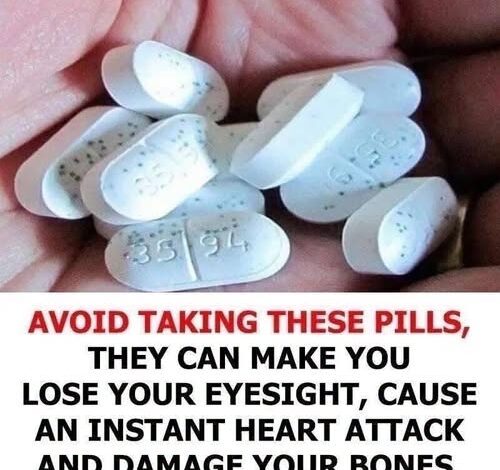
Medical experts encourage patients to approach their medications with both confidence and caution. While there is no reason to panic every time a prescription is filled, there is every reason to stay informed about what you are taking and why. Even medications that are commonly prescribed can carry risks, especially when combined with other drugs or used by people with certain underlying health conditions. A few thoughtful questions today can prevent serious complications tomorrow.
One of the most important steps any patient can take is to review every prescription carefully with a healthcare professional. Understand what each medication is meant to treat, how it should be taken, and whether it may interact with other prescriptions, over-the-counter medicines, or dietary supplements. If something is unclear, ask. No question is too small when it comes to your health, and informed patients are often better equipped to recognize problems before they become emergencies.
Equally important is paying attention to your body’s warning signs. Symptoms such as persistent chest pain, unexplained shortness of breath, or swelling in the legs should never be dismissed or assumed to be minor inconveniences. While these symptoms can have many possible causes, they may also signal a serious medical condition that requires prompt evaluation. Seeking medical attention without delay can make a critical difference.
The goal is not to create fear but to encourage awareness. Most medications provide important benefits when used correctly, and millions of people take them safely every day. However, remaining engaged in your own care—by understanding your treatment plan, communicating openly with your healthcare team, and responding quickly to unusual symptoms—adds an important layer of protection.
Sometimes, what appears to be an ordinary part of a daily routine can have unexpected consequences if warning signs are overlooked. In certain situations, the difference between a routine course of treatment and a medical emergency may come down to a single medication, an unnoticed interaction, or a symptom that should never be ignored. Staying informed, asking questions, and acting promptly when something feels wrong can help ensure that the medicines intended to improve your health continue to do exactly that.