Most people don’t realize they’re becoming dehydrated until their body has been trying to warn them for hours.
It rarely begins with overwhelming thirst or a dramatic sense that something is wrong. Instead, dehydration slips quietly into everyday life, disguising itself as ordinary fatigue, a mild headache, dry lips, or difficulty concentrating. These subtle changes are easy to dismiss as stress, lack of sleep, or simply having a busy day. Yet behind them, your body may be sending an important message: it needs more water.
In a world filled with coffee runs, sugary drinks, packed schedules, and endless distractions, staying properly hydrated often becomes an afterthought. Many people move from morning to evening barely noticing how little water they’ve actually consumed. Because the symptoms develop gradually, it’s easy to adapt to feeling less than your best without realizing that something as simple as drinking more water could make a noticeable difference.
Water is far more than a way to quench thirst.
It is one of the body’s most essential building blocks.
Nearly every organ and system depends on an adequate supply to function efficiently. Water carries nutrients through the bloodstream, helps remove waste products, cushions joints, regulates body temperature, supports healthy digestion, and keeps cells working as they should. Even the brain relies heavily on proper hydration to maintain concentration, memory, and mental clarity.
When water intake begins to fall, the body doesn’t immediately shut down these vital processes.
Instead, it adapts.
It works harder to preserve the fluid it has, prioritizing essential organs while temporarily reducing resources elsewhere. Although this remarkable survival mechanism helps maintain balance, it also explains why the earliest signs of dehydration often appear in ways that seem unrelated.
One of the first clues may be a change in urine color.
Healthy hydration usually produces pale yellow urine. As dehydration develops, the kidneys conserve water more aggressively, causing urine to become darker and more concentrated. While certain medications, vitamins, and foods can also influence color, consistently dark urine often signals that it’s time to increase fluid intake.
Your energy levels may also begin to change.
Many people are surprised to learn that even mild dehydration can leave them feeling unusually tired. Everyday tasks may seem more exhausting than normal, motivation may fade, and simple activities can require more effort. Instead of reaching automatically for another cup of coffee, sometimes the body simply needs water.
Mental performance can also be affected.
Difficulty focusing, forgetfulness, slower thinking, or feeling mentally “foggy” may all accompany inadequate hydration. Because the brain contains a significant amount of water, even small fluid losses can influence concentration and cognitive function. What feels like a lack of focus may occasionally be your body’s quiet request for better hydration.
The skin often offers its own subtle reminders.
Dry lips, rough skin, or a feeling of tightness may indicate that the body is directing available water toward more critical organs rather than the skin’s surface. While moisturizers can help externally, maintaining good hydration supports healthy skin from within.
Headaches are another common signal.
As fluid levels decline, changes in circulation and electrolyte balance may contribute to discomfort ranging from a dull ache to more persistent headaches. While headaches have many possible causes, dehydration is one that is often easily overlooked—and often easily corrected.
Some people also notice dizziness or lightheadedness, particularly when standing up quickly.
Without enough fluid, blood volume can decrease slightly, making it more difficult for the body to maintain stable blood pressure during sudden position changes. If dizziness is severe, persistent, or accompanied by other concerning symptoms, medical evaluation is important, but mild dehydration can sometimes contribute to these sensations.
The encouraging news is that supporting healthy hydration doesn’t require complicated routines or dramatic lifestyle changes.
Small, consistent habits are usually the most effective.
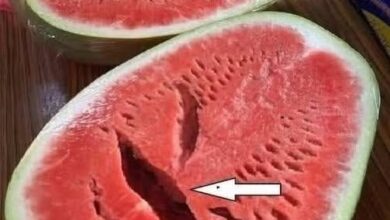
Keeping a reusable water bottle nearby makes drinking throughout the day much easier. Sipping regularly instead of waiting until you’re extremely thirsty helps maintain more stable hydration levels. Choosing water with meals naturally increases daily intake, while eating water-rich foods such as cucumbers, oranges, watermelon, strawberries, tomatoes, and lettuce provides additional fluids alongside important vitamins and minerals.
Hydration needs are not identical for everyone.
Age, physical activity, climate, overall health, medications, and pregnancy can all influence how much water a person needs each day. Someone exercising outdoors on a hot afternoon will naturally require more fluids than someone spending a quiet day indoors. Rather than focusing only on specific numbers, it is often more helpful to pay attention to your body’s signals while maintaining regular drinking habits.
It’s also important to remember that beverages other than water can contribute to overall fluid intake, although water remains one of the healthiest and simplest choices. During illness involving fever, vomiting, or diarrhea, fluid needs may increase significantly, making hydration especially important.
Perhaps the greatest lesson is that the body rarely waits until a problem becomes serious before asking for help.
It whispers first.
A little fatigue.
A dry mouth.
A darker trip to the bathroom.
A slight headache.
A moment of brain fog.
These quiet signals are opportunities to respond before dehydration begins affecting your overall well-being.
Water may not seem remarkable because it works silently behind the scenes, but its impact reaches every part of daily life. It supports movement, thinking, digestion, circulation, temperature control, and countless processes we rarely stop to appreciate.
Treating hydration as a daily habit rather than an occasional task is one of the simplest investments you can make in your health.
Sometimes the most powerful forms of self-care aren’t expensive, complicated, or dramatic.
Sometimes they’re as simple as reaching for a glass of water before your body has to ask twice.