Most People Don’t Know This Fruit Exists—But It May Support Eye Health and Blood Pressure Naturally

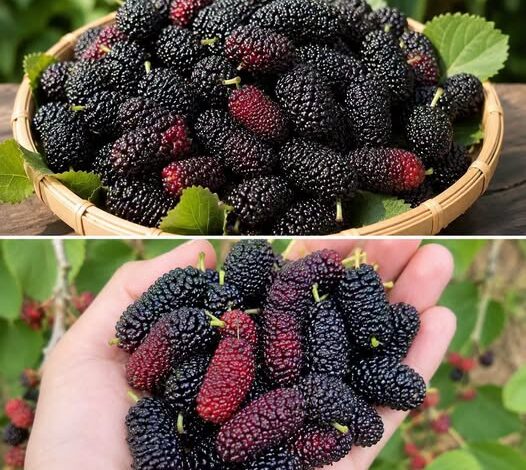
At first glance, mulberries seem almost too modest to attract much attention. Their delicate appearance and sweet, juicy flavor often place them in the shadow of more familiar fruits like blueberries, strawberries, and raspberries. Yet beneath their soft exterior lies an impressive collection of nutrients and naturally occurring plant compounds that have made mulberries valued in traditional diets for centuries and increasingly interesting to modern researchers.
These small berries offer far more than a pleasant taste.
Mulberries are naturally rich in vitamin C, a nutrient that plays an essential role in supporting the immune system, promoting healthy skin, and helping the body repair tissues. They also provide dietary fiber, which contributes to healthy digestion and supports the balance of beneficial bacteria living in the gut. Alongside these nutrients, mulberries contain iron, an important mineral that helps the body produce healthy red blood cells responsible for transporting oxygen throughout the body.
Together, these nutrients support several important aspects of everyday health.
One of the fruit’s most remarkable qualities, however, lies in its antioxidant content.
Every day, the body’s cells are exposed to unstable molecules known as free radicals. These molecules are produced naturally during normal metabolism and can also increase through exposure to pollution, smoking, ultraviolet light, and other environmental factors. When free radicals accumulate faster than the body can neutralize them, they contribute to a process called oxidative stress, which has been associated with aging and a variety of chronic diseases.
Mulberries contain several antioxidants that help defend against this process.
Among them are anthocyanins, the natural pigments responsible for the rich red, purple, and black colors of many berries. These compounds help protect cells from oxidative damage and are being studied for their potential role in supporting long-term health.
Mulberries also contain resveratrol, a naturally occurring plant compound that has attracted scientific interest because of its antioxidant and anti-inflammatory properties. While research is ongoing, resveratrol has been investigated for its possible contributions to cardiovascular health, healthy aging, and cellular protection.
Although antioxidants work quietly behind the scenes, their effects may support the body’s ability to maintain healthy tissues over time.
Brain health is another area receiving growing scientific attention.
Laboratory and animal studies suggest that certain antioxidants found in berries, including compounds present in mulberries, may help protect nerve cells from oxidative damage. Researchers continue to explore whether diets rich in antioxidant-containing fruits may contribute to maintaining cognitive function as people age. While more human studies are needed before firm conclusions can be drawn, including antioxidant-rich fruits as part of a balanced diet remains a widely recommended approach to overall health.
Eye health may also benefit from these naturally occurring compounds.
The eyes are particularly vulnerable to oxidative stress because of their constant exposure to light and high metabolic activity. Antioxidants help support healthy eye tissues by reducing oxidative damage, making colorful fruits like mulberries one valuable component of an overall diet that supports long-term vision.
Perhaps one of the most intriguing areas of mulberry research involves blood sugar management.
Scientists have been especially interested in compounds found in mulberry leaves, including one known as 1-deoxynojirimycin, often abbreviated as DNJ. This naturally occurring substance appears to slow the breakdown of certain carbohydrates in the digestive system. As a result, glucose may enter the bloodstream more gradually after meals, potentially reducing sharp spikes in blood sugar levels.
These findings have generated considerable interest, particularly for individuals concerned about blood glucose management.
However, it is important to recognize that research is still evolving. Mulberry leaves and mulberry-derived products should not replace prescribed treatments for diabetes or other medical conditions. Anyone taking blood sugar-lowering medications should consult a healthcare professional before using mulberry supplements or teas, as combining them with medication may increase the risk of blood sugar dropping too low.
Heart health represents another promising area of study.
Early research suggests that compounds found in mulberries may contribute to healthier cholesterol profiles and help reduce certain markers of inflammation, both of which are important factors in maintaining cardiovascular health. While these findings are encouraging, they should be viewed as part of an overall healthy lifestyle that includes a balanced diet, regular physical activity, and appropriate medical care when needed.
Fortunately, incorporating mulberries into everyday meals is both simple and enjoyable.
Fresh mulberries make a naturally sweet snack on their own or pair well with yogurt, oatmeal, cereals, and fruit salads. Dried mulberries provide a convenient alternative that can be sprinkled over breakfast dishes or mixed into homemade trail mixes. Some people also enjoy mulberry tea, particularly preparations made from the leaves, although these should be used thoughtfully and discussed with a healthcare provider if medical conditions or medications are involved.
As with nearly all nutritious foods, moderation remains important.
Mulberries can be a valuable addition to a varied, balanced diet, but no single fruit can provide every nutrient the body requires or prevent disease on its own. Their greatest benefit comes as part of an overall pattern of healthy eating that includes a wide variety of fruits, vegetables, whole grains, lean proteins, and healthy fats.
What makes mulberries especially appealing is not the promise of dramatic overnight results, but their quiet, steady contribution to everyday wellness.
Each serving delivers vitamins, minerals, fiber, and beneficial plant compounds that work together to support the body’s natural functions. Over time, these small nutritional choices accumulate, helping build a foundation for better long-term health.
Though often overlooked, mulberries remind us that remarkable nutrition sometimes comes in modest packages. Their combination of antioxidants, fiber, vitamins, and unique plant compounds makes them a flavorful addition to a healthy lifestyle. Enjoyed fresh, dried, or brewed into tea, they offer a simple way to add both variety and nourishment to the diet—provided they are consumed sensibly and, when medical conditions such as diabetes are involved, with guidance from a qualified healthcare professional.