A legendary voice has gone silent… Fans are sharing their favorite memories and classic hits in the comments — what song do you remember most?

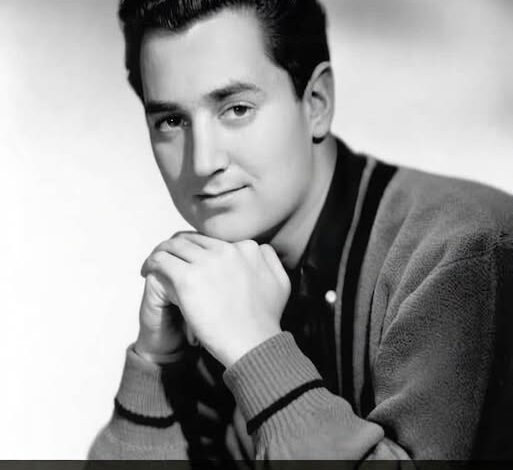
With Neil Sedaka’s passing at the age of 86, the music world says goodbye to one of the last great architects of classic pop.
His story began far from sold-out concert halls and platinum records. Growing up in a modest Brooklyn neighborhood, Sedaka possessed an extraordinary gift that quickly set him apart: an instinct for melody that seemed almost effortless. What started as a young musician’s dream eventually became a career spanning generations, making him one of the rare artists whose songs never truly disappeared—they simply found new listeners with every passing decade.
To millions of fans, Neil Sedaka was far more than a successful songwriter.
He became part of the soundtrack to their lives.
His music accompanied first dates, school dances, road trips with the windows down, weddings, anniversaries, and countless quiet evenings when a familiar tune could say what words never quite could. Hits like “Oh! Carol,” “Calendar Girl,” and so many others were more than chart successes. They became emotional milestones, forever linked to memories that listeners carried long after the records stopped spinning.
What made Sedaka remarkable was his ability to evolve without abandoning the qualities that first made audiences fall in love with his music.
As popular music transformed through the decades, he continued writing, performing, and adapting while remaining unmistakably himself. His songs retained a warmth and sincerity that never felt manufactured, allowing them to bridge generations with remarkable ease.
He represented a rare connection between different musical eras.
Rooted in the optimism of early rock and roll, he carried that spirit forward into changing times, proving that timeless songwriting could survive shifting trends. While styles came and went, Sedaka’s melodies remained instantly recognizable, reminding listeners that genuine craftsmanship rarely goes out of fashion.
Behind the public success was a musician devoted to his craft.
Those who worked with him often spoke not only of his remarkable talent but also of his professionalism, generosity, and unwavering commitment to creating music that connected with people. Fame never overshadowed the work itself. Long after becoming an international star, he continued approaching songwriting with the same curiosity and discipline that had shaped him as a young artist.
For Sedaka, music was never simply entertainment.
It was communication.
He understood that a beautifully written melody could comfort someone after a difficult day, revive a forgotten memory, or bring strangers together for a few unforgettable minutes. He believed in the quiet power of simple, heartfelt songs, trusting that honesty would always outlast novelty.
That belief became one of his greatest strengths.
While countless artists chased changing fashions, Sedaka continued creating music grounded in emotion rather than spectacle. His compositions didn’t depend on elaborate production or fleeting trends. Instead, they relied on memorable melodies, relatable stories, and an authenticity that listeners could immediately recognize.
As tributes continue to arrive from fellow musicians, longtime friends, and devoted fans around the world, a common theme has emerged.
People are remembering not only the artist they admired, but the joy his music brought into their lives.
For some, his songs recall teenage summers that now exist only in photographs.
For others, they evoke the excitement of young love or the comfort of hearing a familiar record played in a family home.
Those memories are part of the legacy he leaves behind.
Awards, record sales, and chart positions helped define his remarkable career, but they tell only part of the story. His greatest achievement lies in the countless personal moments his music quietly accompanied—moments that became inseparable from the songs themselves.
Very few artists achieve that kind of permanence.
Their work ceases to belong only to them.
It becomes woven into the lives of millions of people, passed from one generation to the next until it feels less like recorded music and more like shared cultural memory.
Neil Sedaka accomplished exactly that.
His voice may have fallen silent, but the melodies he created continue to live wherever someone instinctively begins singing along to a favorite chorus or smiles at the opening notes of a song that has never truly grown old.
That is the rarest kind of legacy any musician can hope for.
The performer eventually leaves the stage.
The applause fades.
But the music continues finding new hearts to reach.
Neil Sedaka’s remarkable journey may have come to an end, yet the gift he gave the world remains beautifully intact. Every time one of his songs drifts from a radio, a playlist, or the lips of someone humming absentmindedly through the day, it serves as a gentle reminder that while extraordinary lives eventually end, extraordinary music has a way of carrying them forward forever.