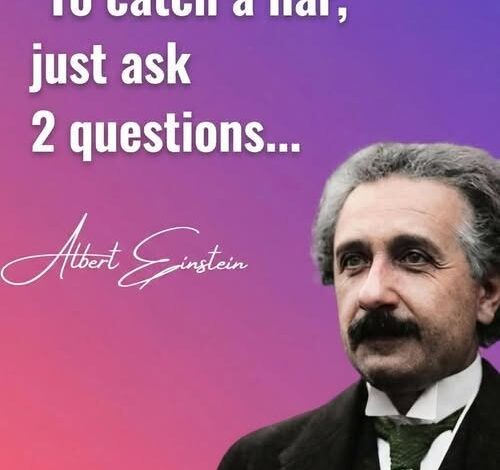
In a world obsessed with quick fixes, instant success, and overnight transformations, many people spend their lives searching for the perfect shortcut. They look for the secret formula that guarantees happiness, achievement, or wisdom. Yet the most valuable lessons rarely come from shortcuts at all. They emerge through experience, curiosity, reflection, and the courage to think for ourselves.
Some of the ideas most often associated with Albert Einstein continue to resonate not because they explain the universe, but because they explain something equally important: how to navigate life with clarity, purpose, and resilience.
One of the most powerful lessons is surprisingly simple—keep moving forward.
Einstein famously compared life to riding a bicycle: to maintain balance, you must keep moving. The wisdom behind this idea extends far beyond physical motion. Life is constantly changing, and standing still often means falling behind. Growth doesn’t require dramatic reinvention or massive leaps. More often, it comes from small, consistent steps taken day after day.
Every new skill learned, every challenge faced, and every lesson absorbed helps build momentum. Progress may be slow at times, but movement itself creates opportunity. The people who continue learning, adapting, and evolving are often the ones who remain steady when life becomes uncertain.
Equally important is the role of imagination.
Knowledge provides facts and information, but imagination transforms information into possibility. It allows us to see connections others miss, explore solutions that don’t yet exist, and envision futures beyond current limitations.
Many people mistakenly believe intelligence is measured by how much information a person can memorize. In reality, true intelligence often reveals itself through creativity, adaptability, and the ability to apply knowledge in meaningful ways. Facts may explain what is. Imagination helps us discover what could be.
Another timeless lesson involves our relationship with failure.
Most people fear mistakes because they view them as evidence of weakness or inadequacy. Yet every accomplishment is built upon a foundation of setbacks, corrections, and lessons learned.
Failure is not the opposite of success.
It is often a necessary part of success.
Every mistake carries information. Every setback offers an opportunity to refine our approach. Those who learn from failure gain something more valuable than temporary success—they gain wisdom.
The difference lies in perspective.
Some people see obstacles as proof they should quit. Others see them as invitations to grow stronger. The willingness to learn from experience often matters more than the experience itself.
This mindset naturally leads to another essential quality: open-mindedness.
The world is complex, and certainty can sometimes become a barrier to understanding. When we assume we already know everything, we stop learning. But when we remain curious, ask questions, and challenge our own assumptions, our understanding continues to expand.
An open mind doesn’t mean accepting every idea without question. It means being willing to consider new information, evaluate different perspectives, and revise beliefs when evidence supports doing so.
Wisdom grows where curiosity lives.
Closed thinking tends to create rigid judgments and unnecessary conflict. Open thinking encourages growth, empathy, and deeper understanding.
Beyond knowledge and achievement lies another important truth: contribution matters more than recognition.
Many people spend years chasing status, titles, or public approval. While accomplishments can bring satisfaction, their impact is often temporary. The fulfillment that comes from helping others, solving problems, or making a positive difference tends to endure much longer.
Success measured only by personal gain can feel surprisingly empty. Success measured by contribution creates meaning.
The lives that leave the greatest legacy are rarely defined by what people accumulated. They are remembered for what they gave.
Whether through kindness, mentorship, creativity, service, or leadership, meaningful contributions continue influencing others long after individual achievements are forgotten.
Simplicity also plays a crucial role in a fulfilling life.
Modern society often encourages endless striving—more possessions, more recognition, more status, more attention. Yet many people discover that peace is found not through accumulation, but through clarity about what truly matters.
A life focused on purpose, relationships, health, and personal growth often provides a deeper sense of satisfaction than the constant pursuit of external validation.
Simplicity creates space.
Space to think.
Space to appreciate.
Space to live intentionally.
Alongside simplicity comes awareness.
In an era filled with information, opinions, and competing narratives, critical thinking has become more important than ever. Not everything we hear is accurate, and not every claim deserves immediate trust.
When words and actions fail to align, it is wise to pay attention.
When stories constantly change, it is worth asking questions.
When something feels confusing or misleading, thoughtful examination often reveals what emotion alone cannot.
Strong judgment is developed through observation, reflection, and a willingness to look beyond surface appearances.
The ability to think independently protects us from manipulation and helps us make decisions based on understanding rather than impulse.
Ultimately, personal growth is not a destination but an ongoing process.
It is built through curiosity, strengthened by experience, and guided by reflection. It grows when we remain willing to learn, even when learning is uncomfortable. It expands when we embrace challenges rather than avoid them. And it flourishes when we focus not only on what we can achieve, but on what we can contribute.
The most enduring wisdom is often the simplest.
Keep moving forward.
Stay curious.
Learn from mistakes.
Think for yourself.
Value contribution over recognition.
Focus on what truly matters.
These principles may not promise instant success or effortless happiness, but they offer something far more valuable: a framework for living thoughtfully, growing continuously, and creating a life defined not merely by achievement, but by meaning.
In the end, intelligence is not just about what we know. It is about how we think, how we adapt, and how we use our knowledge to improve both our own lives and the lives of those around us.