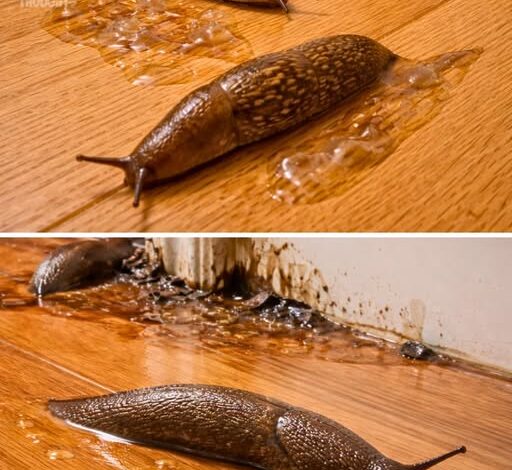
Finding a slug inside your home can be surprising, even unsettling. Most people assume these slow-moving garden creatures belong outdoors, not gliding silently across a kitchen floor or bathroom wall in the middle of the night. While removing the occasional slug may solve the immediate problem, repeated indoor visits often point to something more important: your home may be providing the cool, damp conditions they need to survive.
Slugs are remarkably sensitive to their environment.
Because their bodies lose moisture easily, they seek places that remain cool and humid. Outdoors, that might mean shaded gardens, piles of leaves, or damp soil. Indoors, they are naturally drawn to areas where moisture lingers—such as basements, crawl spaces, laundry rooms, bathrooms, or kitchens with hidden leaks. If slugs begin appearing regularly, they may be signaling that excess moisture has become a larger issue.
That moisture can have consequences beyond attracting unwanted visitors.
Persistent dampness encourages the growth of mold and mildew, contributes to wood decay, and can gradually damage building materials if left unaddressed. A small plumbing leak beneath a sink, condensation around pipes, poor ventilation, or water seeping through a foundation wall may not seem urgent at first, but over time these problems can affect both the structure of the home and indoor air quality.
Slugs are also surprisingly resourceful when it comes to finding a way inside.
Their soft bodies allow them to squeeze through tiny openings that many homeowners would never notice. Small gaps beneath exterior doors, cracks around window frames, openings where pipes enter the house, damaged weatherstripping, or narrow foundation cracks can all become entry points. Following the trail of where slugs appear may help identify places where your home’s exterior needs attention.
The encouraging news is that preventing future visits usually involves improving the environment rather than simply dealing with the slugs themselves.
Reducing excess moisture is one of the most effective steps. Repair leaking faucets or pipes promptly, improve ventilation in bathrooms and laundry areas, and consider using a dehumidifier in damp basements or crawl spaces if humidity remains consistently high. Ensuring that gutters and downspouts direct rainwater away from the foundation can also reduce moisture around the home.
Sealing potential entry points is equally important.
Inspect doors, windows, vents, utility penetrations, and the foundation for small gaps or cracks that could allow pests to enter. Replacing worn weatherstripping, applying appropriate sealants, and repairing damaged screens can help create a stronger barrier against slugs and many other household pests.
Good housekeeping also plays a role.
Although slugs are primarily attracted by moisture, accessible food sources can encourage them to remain indoors. Cleaning up crumbs, storing food in sealed containers, keeping pet food from sitting out overnight, and regularly emptying indoor trash bins help make the home less inviting.
If you do find a slug indoors, gently collecting it and returning it outside is a simple option for those who prefer not to harm wildlife. Wearing gloves or using a container makes removal easy while allowing you to focus on addressing the conditions that attracted it in the first place.
The appearance of a slug is not necessarily a sign of a serious problem.
Occasionally, one may wander inside by accident, particularly after periods of heavy rain or unusually damp weather. However, frequent sightings should encourage a closer inspection of moisture levels and possible entry points before minor issues develop into more significant ones.
In the end, slugs are often less of a problem themselves than a clue to something happening within the home. They thrive where dampness persists, and their presence may highlight leaks, excess humidity, or small structural openings that deserve attention. By addressing those underlying conditions, you not only discourage future slug visits but also help protect your home from moisture-related damage. Sometimes the smallest visitors provide the earliest reminder that a little maintenance today can prevent much larger repairs tomorrow.