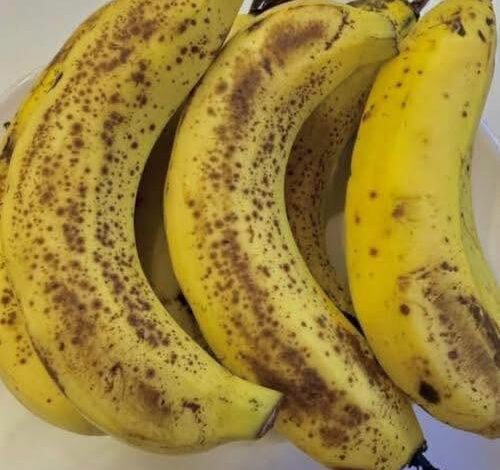
At first glance, every banana seems exactly the same.
But look a little closer, and the color of the peel tells a fascinating story about what’s happening inside the fruit. As bananas ripen, their nutritional profile gradually changes, affecting everything from their sweetness and texture to how quickly their carbohydrates are digested.
That means the “best” banana isn’t determined by its color alone.
It depends on what you’re hoping to get from it.
When a banana is still slightly green or has just turned yellow, much of its carbohydrate content remains in the form of resistant starch. Unlike ordinary starch, resistant starch isn’t fully digested in the small intestine. Instead, it passes into the large intestine, where it can be fermented by beneficial gut bacteria.
Because of this, less-ripe bananas tend to have a firmer texture, a milder sweetness, and may help people feel full for longer. Resistant starch and fiber can also contribute to a slower rise in blood sugar compared with very ripe bananas, although individual responses vary.
For people who are trying to manage their appetite, support digestive health, or reduce rapid spikes in blood glucose, a slightly underripe banana may be an appealing choice as part of a balanced diet.
As the banana continues to ripen, its chemistry changes.
Natural enzymes gradually break down resistant starch into simpler sugars, making the fruit noticeably sweeter and softer. The yellow peel begins developing the familiar brown speckles that many banana lovers recognize as a sign of peak sweetness.
At this stage, the fruit is easier to chew and digest, making it a favorite for smoothies, baking, or a quick snack before physical activity.
Because ripe bananas contain more readily available sugars, they can provide a faster source of energy. That’s one reason athletes often enjoy ripe bananas before or after exercise, when quickly digested carbohydrates can help fuel activity or replenish energy stores.
Ripening also affects other compounds within the fruit.
Research suggests that as bananas mature, some antioxidant activity increases due to changes in naturally occurring plant compounds. Antioxidants help protect cells from damage caused by unstable molecules known as free radicals. While bananas are not among the highest-antioxidant fruits, ripe bananas can still contribute beneficial compounds as part of an overall diet rich in fruits and vegetables.
It’s important to keep these differences in perspective.
The nutritional changes between a yellow banana and a spotted banana are real, but they are not dramatic enough to make one universally “healthy” and the other “unhealthy.” Both provide valuable nutrients, including potassium, vitamin B6, vitamin C, fiber, and carbohydrates that support normal body function.
The biggest difference is how those carbohydrates are packaged.
A firmer banana offers more resistant starch and less sweetness.
A riper banana offers more simple sugars and a softer texture.
Neither is inherently better.
They’re simply suited to different situations.
If you’re looking for a filling afternoon snack, pairing a slightly underripe banana with a source of protein or healthy fat—such as yogurt, peanut butter, or a handful of nuts—may help keep you satisfied for longer.
If you need quick energy before a workout or want a naturally sweet ingredient for oatmeal, pancakes, or banana bread, a spotted banana can be an excellent choice.
People with diabetes don’t necessarily need to avoid ripe bananas altogether, but portion size and overall meal composition remain important. Pairing any banana with protein, healthy fats, or high-fiber foods may help moderate the overall blood sugar response. Individual needs vary, so anyone managing diabetes should follow the guidance of their healthcare provider or registered dietitian.
The remarkable thing about bananas is their versatility.
One fruit quietly transforms over several days, offering different flavors, textures, and nutritional characteristics without ever becoming a completely different food.
That means you don’t have to argue over which color is “best.”
Instead, you can simply choose the one that best fits your needs that day.
A firmer yellow banana may provide longer-lasting fullness and a slower release of carbohydrates.
A soft, speckled banana may offer quick energy, natural sweetness, and convenient digestibility.
Both have a place in a healthy eating pattern.
In the end, the healthiest banana isn’t defined by how many brown spots appear on the peel.
It’s the one that complements your goals, satisfies your appetite, and helps you enjoy a balanced, varied diet—one bite at a time.