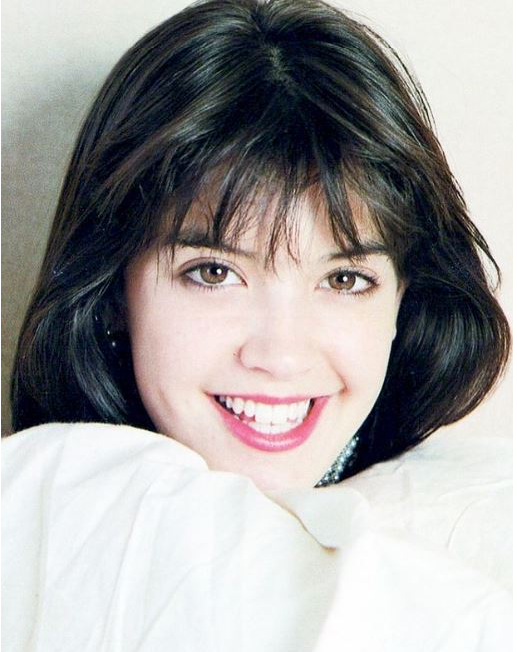
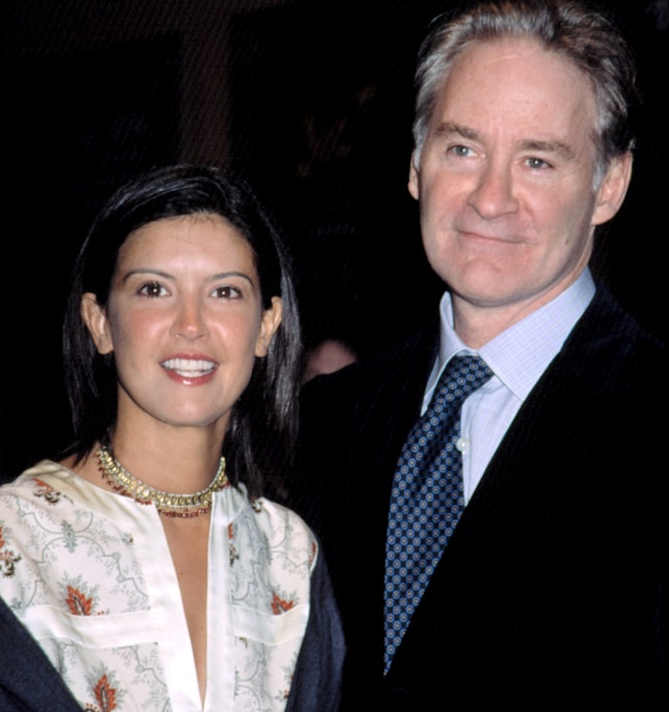
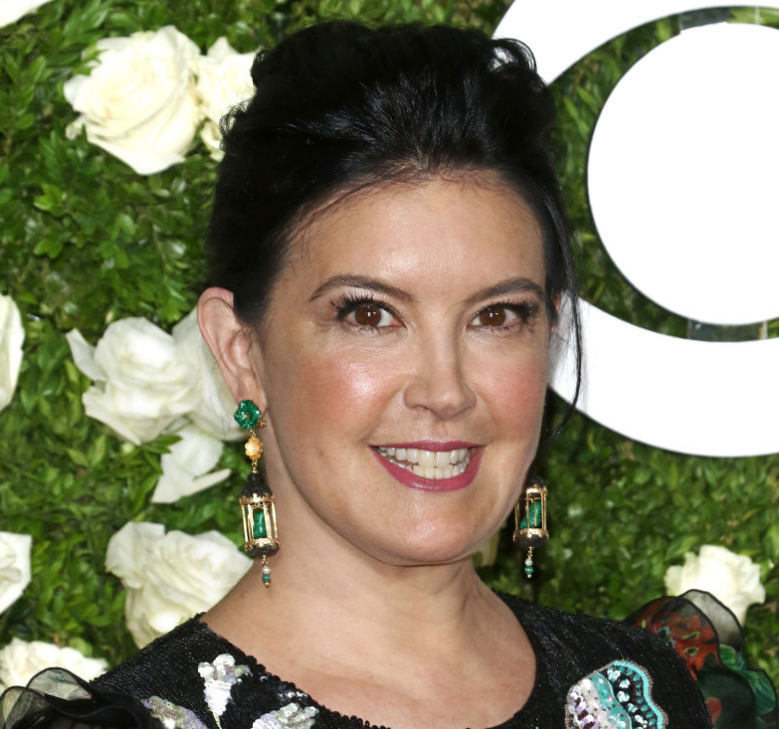
For an entire generation of moviegoers, Phoebe Cates became unforgettable the moment she appeared on screen. Whether audiences knew her as Linda Barrett in Fast Times at Ridgemont High or as the warm-hearted Kate Beringer in Gremlins, she quickly established herself as one of the defining faces of 1980s cinema. Then, just as her career seemed poised to continue for decades, she quietly stepped away from Hollywood.
Unlike many stars whose careers faded because of scandal or lack of opportunity, Cates made a remarkably different choice. She walked away from the spotlight on her own terms, choosing a quieter life centered on family instead of fame. Decades later, her story remains one of Hollywood’s most unusual—and perhaps most admirable—career decisions.
Born Phoebe Belle Cates on July 16, 1963, in New York City, she grew up surrounded by the entertainment industry. Her father, Joseph Cates, was a successful Broadway producer and television pioneer, while her uncle was also an accomplished producer. Creativity ran throughout the family. Her maternal grandfather was Chinese-Filipino, born in Shanghai, while both of her grandmothers were Russian-Jewish, giving Cates a rich multicultural heritage.
The family’s artistic circle extended beyond Broadway. Legendary pop artist Andy Warhol was a close family friend, exposing Phoebe to creative influences from an early age. She attended prestigious schools, including the Professional Children’s School and the Hewitt School, while balancing an increasingly busy career.
Long before she dreamed of becoming a movie star, however, Cates envisioned a very different future.
Her greatest ambition was to become a professional ballet dancer.
She devoted herself to dance throughout childhood, training seriously until everything changed at age fifteen. A severe knee injury abruptly ended her ballet aspirations, forcing her to abandon the career she had worked toward for years.
With dance no longer possible, modeling became her next opportunity.
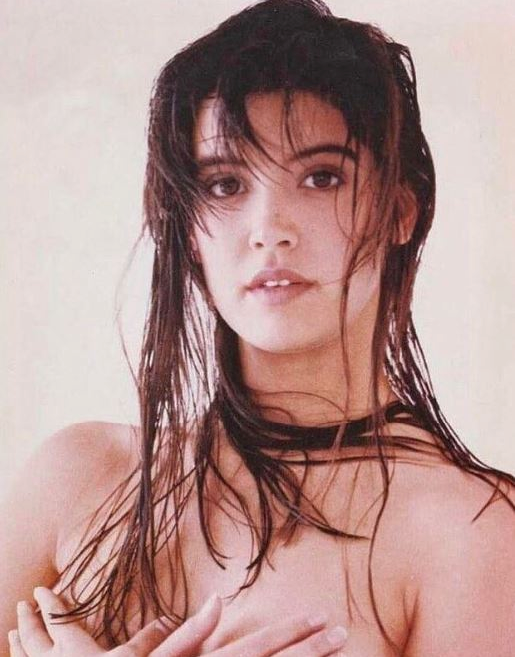
She had already begun modeling as a child, appearing in magazines aimed at teenage audiences. Although the work provided financial independence, she later admitted she never truly enjoyed it.
“It was basically the same thing over and over,” she once recalled, explaining that she primarily modeled because it paid well.
Acting soon followed.
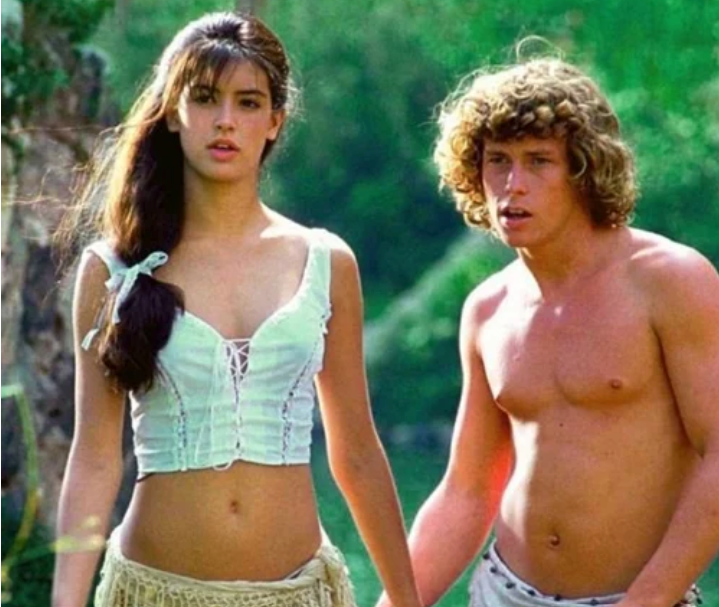
Her film debut came in 1982 with Paradise, a romantic drama produced in Israel. Although the movie introduced audiences to the young actress, Cates later admitted she felt uncomfortable with the finished film, which many critics viewed as heavily inspired by The Blue Lagoon. Looking back, she acknowledged feeling embarrassed by parts of the project, particularly because she had been so young during filming.
That same year, however, everything changed.
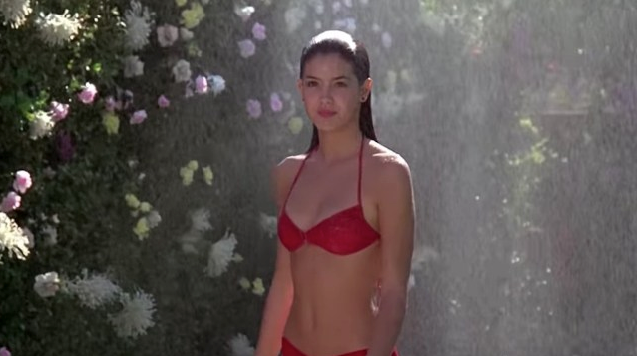
She was cast as Linda Barrett in Fast Times at Ridgemont High, a coming-of-age comedy that would become one of the defining films of the decade. Featuring future stars including Sean Penn, Jennifer Jason Leigh, Eric Stoltz, Nicolas Cage, and Judge Reinhold, the movie captured teenage life with humor and honesty.
None of the young actors anticipated its lasting cultural impact.
Sean Penn later admitted the cast had no idea they were creating a film that would become a classic. Today, Fast Times at Ridgemont High is preserved in the U.S. National Film Registry because of its cultural and historical significance.
Although one memorable scene made Cates an overnight sensation, she later explained that filming Fast Times actually felt less uncomfortable than certain scenes in Paradise. The comedic tone, she said, made the experience easier than portraying more serious material at such a young age.
Hollywood quickly recognized her talent.
In 1983, she starred in the comedy Private School, where she also showcased her singing ability by performing songs featured on the film’s soundtrack.
The following year brought another career-defining role.
Cates portrayed Kate Beringer in Joe Dante’s beloved comedy-horror film Gremlins. The movie became an international hit, blending humor, fantasy, and horror into one of the decade’s most memorable family films. She later returned for its sequel, Gremlins 2: The New Batch, released in 1990.
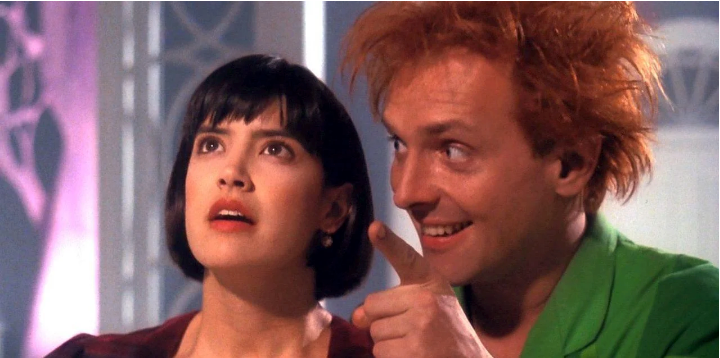
Throughout the late 1980s, Cates continued appearing in a variety of films, including Date with an Angel, Shag, and Bright Lights, Big City. While not every project found commercial success, she steadily built a reputation as a versatile performer capable of balancing comedy, romance, and drama.
Yet despite her growing film career, another passion remained close to her heart.
The theater.
Coming from a Broadway family, she eventually returned to the stage, performing in productions such as Rich Relations, The Nest of the Wood Grouse, and later making her Broadway debut in The Tenth Man. Cates frequently explained that live theater offered more rewarding opportunities than many film roles available to women at the time.
“Theater is what I enjoy most,” she once remarked, noting that she found stage performances more creatively fulfilling than watching herself on screen.
Her final major starring role came in 1994 with Princess Caraboo, based on the remarkable true story of Mary Baker, an English woman who convinced an entire town she was an exotic foreign princess. The film reunited her with an impressive cast that included Kevin Kline, Jim Broadbent, John Lithgow, Stephen Rea, and Wendy Hughes.
By then, however, her priorities had already begun to change.
Cates had first met acclaimed actor Kevin Kline years earlier while auditioning for The Big Chill. Their relationship gradually blossomed, and the couple married in 1989.
Together they welcomed two children: Owen Joseph Kline, born in 1991, and Greta Simone Kline, born in 1994.
Rather than pursuing every new Hollywood opportunity, Phoebe Cates made a deeply personal decision.
She chose family first.
As Kevin Kline’s acting career continued, the couple developed an arrangement that allowed one parent to remain home with their children whenever possible. For Cates, that meant stepping away from the demanding pace of filmmaking during the mid-1990s.
It was not a retirement born from disappointment.
It was a deliberate choice.
Years later, she found a new creative outlet by opening Blue Tree, a boutique on Madison Avenue in New York City. The charming shop reflects her eclectic tastes, offering everything from clothing and jewelry to books, home décor, fragrances, and unique gifts.
Although she largely left Hollywood behind, she never completely abandoned acting.
In 2001, she made a brief appearance in The Anniversary Party, directed by her longtime friend and former Fast Times co-star Jennifer Jason Leigh. The cameo served as both a reunion and a personal favor rather than a full return to filmmaking.
She also delighted longtime fans by reprising her Gremlins character through voice work in the 2015 video game Lego Dimensions, reminding audiences of one of her most beloved performances.
Today, Phoebe Cates is remembered not only for the films that defined a generation but also for the uncommon path she chose afterward.
In an industry where fame often demands constant visibility, she demonstrated that success can also mean knowing when to step away. Rather than chasing every role or remaining in the spotlight at all costs, she built a fulfilling life centered on her family, personal passions, and a quieter form of creativity.
For many fans, that decision has only deepened their admiration.
Phoebe Cates may have left Hollywood behind decades ago, but the warmth, charm, and authenticity she brought to the screen continue to resonate. Her story stands as a refreshing reminder that sometimes the happiest endings are found not under bright lights, but in the life someone chooses to build when the cameras stop rolling.