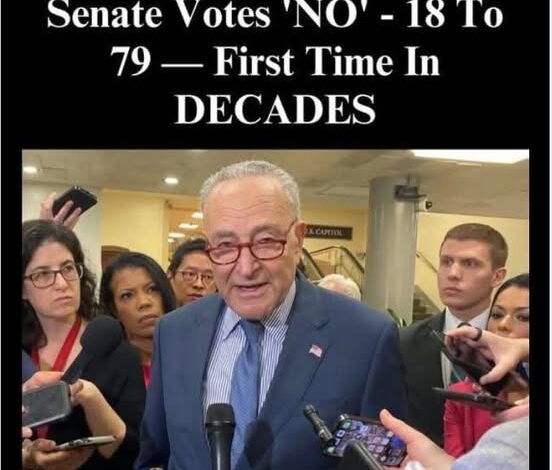
The U.S. Senate’s decision to reject three resolutions introduced by Senator Bernie Sanders highlighted the growing tension surrounding America’s military support for Israel and the ongoing war in Gaza.
The measures, proposed by the independent senator from Vermont, sought to block portions of a military assistance package valued at roughly $20 billion. The package included weapons and equipment intended for Israel as its military operations in Gaza continued to generate international criticism and increasing political debate within the United States.
For Sanders, the resolutions represented more than a vote on arms sales. They were a challenge to U.S. policy and a call for greater accountability. He argued that American weapons should not be provided without conditions when concerns persist about civilian casualties, humanitarian suffering, displacement, and potential violations of international law.
The Senate, however, overwhelmingly rejected the proposals, reaffirming the strength of bipartisan support for Israel within Congress. Despite growing criticism from many progressive lawmakers, younger voters, human rights organizations, and segments of the Democratic Party, a majority of senators remained unwilling to block military assistance to a longtime U.S. ally.
Supporters of Sanders’ effort argued that continued arms transfers risk tying the United States too closely to the consequences of the conflict. They maintained that military aid should be subject to stricter oversight and that American support should reflect concerns about civilian protection and humanitarian access.
Opponents viewed the issue through a different lens. Many lawmakers emphasized Israel’s security challenges, citing threats from Hamas and other regional adversaries. From their perspective, restricting military assistance could weaken an important ally and undermine regional stability at a critical moment.
The debate reflects a broader shift in American politics.
For decades, support for Israel was largely considered a bipartisan consensus in Washington. While disagreements existed, congressional backing for military assistance generally faced little organized opposition. The war in Gaza, however, has intensified scrutiny of that relationship. Images of widespread destruction, reports of humanitarian hardship, and mounting civilian casualties have prompted a growing number of Americans to question whether traditional policies should remain unchanged.
Although Sanders’ resolutions failed, the vote itself was significant. It forced lawmakers to publicly take a position on a contentious issue and demonstrated that opposition to unconditional military support is becoming a more visible part of the political conversation.
For Sanders and his allies, the effort served as both legislation and a statement of principle. Even with little chance of passage, the resolutions created a platform for debating America’s role in the conflict and the responsibilities that come with supplying military equipment to foreign partners.
That conversation is unlikely to fade.
Advocates for stronger restrictions on military aid continue to call for greater transparency, stricter conditions on arms transfers, and clearer standards regarding civilian protection. Supporters of current policy, meanwhile, argue that maintaining military assistance remains essential to Israel’s security and to broader U.S. strategic interests in the region.
The Senate’s vote did not resolve those competing views. Instead, it highlighted the growing divide between traditional foreign-policy approaches and a rising movement demanding a reassessment of America’s role in the conflict.
In that sense, the significance of the resolutions extends beyond their defeat. They exposed a changing political landscape in which support for Israel remains strong in Congress but faces increasing scrutiny from parts of the public and from within the Democratic coalition itself.
The arms sale will move forward, but the debate surrounding it is far from settled. What once might have been viewed as a routine military transfer has become part of a larger discussion about alliance, accountability, humanitarian responsibility, and the role of American power in a conflict that continues to draw global attention.