Snakes rarely appear “out of nowhere.” They follow food, shelter, moisture, and safety. A yard full of rodents, fallen birdseed, standing water, and overgrown grass quietly signals an open invitation. Cluttered corners, wood piles, stacked bricks, and forgotten pots create perfect hiding spots, turning peaceful gardens into comfortable hunting grounds. Even small gaps around foundations, vents, or screens can give snakes and their prey easy access to the spaces closest to your home.
The shift begins with prevention, not war. Trimming grass, cleaning up birdseed, reducing moisture, sealing entry points, and maintaining tidy landscaping slowly change how attractive your yard feels to wildlife. Natural options like lemongrass, citrus sprays, or light essential oil repellents can gently discourage lingering without poisoning the environment. In the end, you keep your peace of mind, snakes keep their lives, and your backyard stops feeling like a place you have to fear.
Most people remember the first time they saw a snake in their yard.
The reaction is immediate and deeply physical.
Your stomach tightens.
Your heart jumps.
Every instinct suddenly screams that something dangerous has crossed into a place that’s supposed to feel safe.
It often happens during ordinary moments:
pulling weeds,
watering plants,
moving a flowerpot,
walking barefoot through the grass.
Then suddenly—
movement.
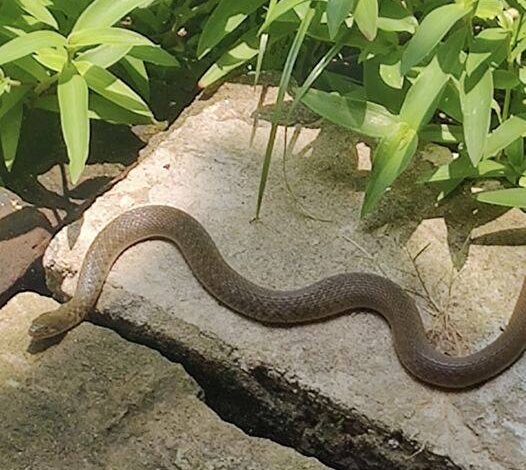
A flash of scales slipping beneath bushes.
A curled shape beneath a chair.
Something alive where your mind expected stillness.
For many homeowners, fear arrives before understanding. Snakes carry ancient psychological weight in human imagination. Even harmless species trigger instinctive alarm because humans evolved to notice them quickly. Long before modern neighborhoods existed, recognizing snakes fast could mean survival.
But what unsettles people most is often the feeling that snakes appear mysteriously, almost maliciously, as if they deliberately invaded peaceful spaces overnight.
In reality, snakes are practical creatures.
They follow opportunity.
Food.
Water.
Shelter.
Safety.
A backyard becomes attractive to snakes for the same reasons it becomes attractive to countless forms of wildlife: it quietly provides the conditions necessary to survive.
That understanding changes everything.
Because preventing unwanted snakes rarely requires violence or panic. It requires making your property less inviting in the first place.
Food usually comes first.
Most snakes entering residential yards are hunting, not attacking. Rodents especially attract them strongly. Mice, rats, chipmunks, and other small animals create reliable feeding opportunities, and many homeowners unintentionally support rodent populations without realizing it.
Bird feeders are a major example.
People install them lovingly, hoping to attract cardinals, finches, or hummingbirds. But spilled birdseed scattered beneath feeders becomes an open buffet for mice and squirrels. Once rodents begin gathering regularly, snakes often follow quietly behind them.
The snakes themselves are not the original problem.
The food chain is.
Pet food left outside overnight can create similar issues. Compost piles containing food scraps may attract rodents too. Even fruit falling from trees and left rotting on the ground can increase wildlife activity enough to create hunting opportunities for snakes.
Water matters just as much.
Standing moisture turns yards into miniature ecosystems supporting insects, frogs, rodents, and eventually predators feeding on them. Leaky hoses, clogged gutters, dripping outdoor faucets, birdbaths, poorly drained soil, and forgotten buckets collecting rainwater all contribute to conditions wildlife finds attractive.
Snakes do not need swimming pools to survive.
Small, consistent moisture sources are enough.
Then comes shelter.
This is where many beautifully maintained yards accidentally become perfect snake habitats.
Overgrown grass provides cover from predators and heat. Thick shrubs create cool resting spaces. Piles of wood, stacked bricks, unused flowerpots, old tarps, lawn equipment, and cluttered corners form ideal hiding places where snakes can remain undisturbed for hours or even days.
People often imagine snakes constantly moving aggressively through yards. Most actually prefer staying hidden. They avoid humans whenever possible. If a property offers dark, protected shelter close to food and water, snakes may settle quietly nearby without homeowners realizing it immediately.
That is why sudden sightings feel so shocking.
The snake likely existed there long before being noticed.
Even tiny structural openings around homes can increase risk. Gaps beneath doors, torn screens, loose vents, cracked foundations, or openings around pipes allow rodents access first. Snakes may eventually follow prey closer to garages, crawl spaces, sheds, porches, or even interiors.
Again:
they follow opportunity,
not people.
Understanding this shifts the emotional response from fear to management.
Because the goal should not be destroying wildlife indiscriminately.
It should be reducing attraction responsibly.
The most effective snake prevention strategy is surprisingly simple:
make your yard feel inconvenient.
Short grass matters more than many people realize. Snakes avoid exposure when possible because open spaces leave them vulnerable to predators and temperature extremes. Regular mowing removes both cover and hunting advantages.
Landscaping choices help too.
Dense ground cover pressed tightly against foundations creates ideal hiding zones. Trimming bushes upward slightly and leaving visible space beneath shrubs reduces sheltered movement areas dramatically. Keeping mulch layers thinner near the house also helps because thick damp mulch stays cool and protective underneath.
Wood piles deserve particular attention.
Stacked firewood creates nearly perfect snake shelter:
dark,
cool,
dry,
undisturbed.
Raising wood off the ground and storing it farther from the house significantly reduces attraction. The same principle applies to stacked stones, unused construction materials, gardening supplies, and cluttered storage areas.
Cleanliness changes ecosystems quietly.
When yards become less hospitable to rodents and hiding spots disappear, snakes usually move elsewhere naturally because staying no longer benefits them.
Importantly, this process works gradually.
People sometimes expect one spray or one treatment to instantly “solve” snake problems permanently. Nature rarely works that way. Effective prevention reshapes environmental conditions over time until wildlife patterns shift naturally.
That approach is both safer and more humane.
Natural repellents can help support these changes, though expectations should remain realistic. Strong citrus scents, lemongrass, garlic mixtures, cinnamon oils, clove oils, or vinegar sprays may discourage some snakes temporarily because reptiles rely heavily on environmental sensing. Certain essential oils create conditions snakes find irritating or unfamiliar.
But repellents work best as part of broader prevention—not as magical standalone solutions.
Without addressing food, water, and shelter, scents alone rarely solve persistent problems long term.
Safety during encounters matters too.
One of the biggest mistakes frightened homeowners make is trying to handle snakes directly without proper identification. Many harmless species resemble dangerous ones closely enough to confuse inexperienced people. Attempting to kill or capture snakes often increases bite risk dramatically because frightened animals defend themselves instinctively.
Most snake bites occur during attempted handling.
If a snake appears in the yard, distance is usually the safest response. Allowing it an escape route often resolves the situation naturally because snakes generally prefer retreat over confrontation.
For venomous species or snakes entering homes repeatedly, professional wildlife removal becomes the safest option. Experts can identify species correctly, remove animals humanely, and help homeowners understand environmental factors attracting them.
That educational piece matters enormously.
Fear decreases once people understand behavior.
Snakes are not plotting attacks.
They are not territorial against humans personally.
They are animals responding predictably to environmental conditions.
That does not mean everyone must suddenly enjoy seeing them.
Fear is understandable.
Caution is wise.
But panic often creates unnecessary suffering for both humans and wildlife alike.
Snakes also play important ecological roles people benefit from constantly without noticing. They control rodent populations naturally, reducing crop damage, disease spread, and pest infestations. Removing every snake from ecosystems entirely would create different problems quickly.
Balance matters more than eradication.
That realization changes how many homeowners approach prevention emotionally. Instead of treating wildlife like invading enemies, they begin treating property maintenance as environmental communication:
this space is less attractive now,
less sheltered,
less rewarding.
And gradually, wildlife patterns shift accordingly.
There is also something psychologically comforting about prevention-focused approaches. Fear often grows strongest when people feel powerless. Understanding practical steps restores control:
trim the grass,
seal the gaps,
remove clutter,
fix leaks,
clean up seed,
improve airflow.
Each action reduces uncertainty.
Over time, backyards stop feeling threatening again.
Children play more comfortably.
Gardening becomes relaxing instead of anxious.
Even ordinary outdoor sounds stop triggering immediate suspicion.
Peace of mind returns slowly through maintenance and understanding rather than panic.
And perhaps that is the deeper lesson hidden beneath snake prevention entirely:
most problems in nature are easier to manage when approached with awareness instead of war.
The goal is not domination.
It is coexistence with boundaries.
You protect your home.
Wildlife continues existing elsewhere.
Neither side needs destruction for safety to return.
In the end, the safest yards are rarely the most aggressive ones.
They are the ones designed thoughtfully enough that snakes simply decide, quietly and naturally, to keep moving along.