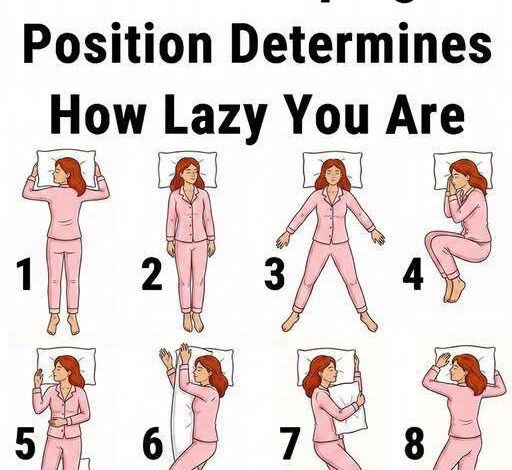
The way you sleep has fascinated people for generations.
From personality quizzes to popular psychology, countless theories claim that your favorite sleeping position can reveal hidden truths about who you are. While sleep researchers study posture for its effects on comfort, breathing, and spinal alignment, the idea that a particular position can accurately predict personality remains unproven.
Still, many people enjoy these interpretations as a fun way to reflect on their habits.
If you tend to sleep with your arms raised above your head, some personality guides describe you as open-minded, curious, and independent. According to these interpretations, you’re someone who enjoys exploring new ideas and prefers making decisions on your own rather than simply following the crowd. Whether that’s accurate or not, the image of someone reaching outward while asleep has long been associated with openness and optimism in popular sleep folklore.
People who sleep flat on their backs are often portrayed as calm, dependable, and organized.
These interpretations suggest that back sleepers appreciate structure and consistency. They may appear reserved at first, but once they commit to a goal or a relationship, they’re thought to be reliable and steady. In reality, many people choose this position simply because they find it comfortable or because it helps relieve pressure on certain parts of the body.
Then there’s the familiar starfish position.
Arms and legs spread comfortably across the bed, starfish sleepers are sometimes described as valuing personal freedom and comfort. Personality quizzes often portray them as generous listeners who are willing to support friends while also enjoying plenty of personal space. The position has also been playfully linked to people who like to relax and avoid unnecessary stress—but these are lighthearted stereotypes rather than scientific conclusions.
If you naturally curl into a fetal position, you’re certainly not alone.
This is one of the most common sleeping positions. Popular personality interpretations often describe curled-up sleepers as thoughtful, emotionally protective, or selective about whom they trust. The curled posture is sometimes viewed as a symbol of seeking security or comfort, though many people simply find it to be the most physically comfortable way to sleep.
Side sleepers are another large group.
Whether your legs are straight, slightly bent, or you’re turned only partway onto your side, these positions are often associated with adaptability and balance in personality quizzes. They are sometimes described as practical individuals who know when to work hard and when to recharge, valuing both productivity and personal well-being.
Another familiar habit is hugging a pillow while sleeping, particularly for people who sleep on their stomach or side.
In popular interpretations, pillow huggers are often portrayed as people who value emotional closeness, security, and comfort. Holding onto a pillow may simply make sleeping more comfortable, but in personality folklore it’s sometimes associated with warmth, affection, and a desire for stability.
It’s important to remember that these descriptions are meant for entertainment.
Scientific research has not established reliable links between specific sleeping positions and personality traits such as ambition, generosity, laziness, or determination. The position you choose at night is influenced by many factors, including comfort, age, health conditions, pregnancy, pain, sleep disorders, and even the type of mattress or pillow you use.
What sleep position can affect is physical comfort and, in some cases, health.
For example, side sleeping may help reduce snoring for some people, while certain back-sleeping positions may be recommended or discouraged depending on individual medical conditions. Anyone experiencing chronic pain, breathing difficulties during sleep, or persistent sleep problems should discuss their symptoms with a healthcare professional.
Even without scientific proof, there’s something appealing about these playful interpretations.
They encourage us to think about ourselves, compare notes with friends, and laugh at how different our nightly habits can be. One person sprawls across the entire mattress, another curls into the smallest possible space, and someone else never lets go of a favorite pillow.
Those differences make for fun conversation—even if they don’t define who we are.
So if you recognize yourself in one of these sleeping positions, enjoy the comparison, but don’t treat it as a verdict on your character.
Your sleeping posture doesn’t determine whether you’re driven or laid-back, outgoing or reserved.
At most, it reflects the position your body finds most comfortable after a long day.
And perhaps that’s the most meaningful takeaway of all: whatever position helps you rest well and wake up refreshed is probably the right one for you.