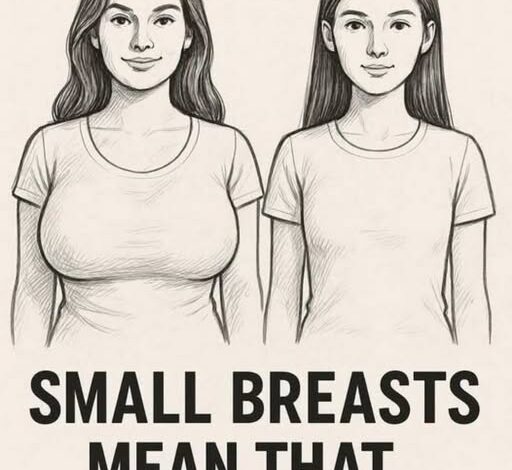
It’s a persistent myth that the size or shape of a woman’s breasts can reveal what’s happening with her hormones.
In reality, the human body is far more complex than that.
Breast size is not a reliable indicator of estrogen levels, fertility, or overall hormonal health. While hormones do influence breast development during puberty and throughout life, they are only one piece of a much larger picture. Genetics, body composition, age, pregnancy, breastfeeding, menopause, and changes in weight all play significant roles in determining how breasts look and feel.
That means two healthy women can have completely different body types—and completely normal hormone levels.
One may naturally have a larger bust, while another may have a much smaller one. Both can have regular menstrual cycles, healthy estrogen levels, and normal reproductive function. Likewise, women with similar breast sizes can have very different hormonal profiles.
Simply put, appearance alone cannot diagnose a hormone imbalance.
This misconception often leads people to worry unnecessarily or assume something is wrong based solely on body shape. In truth, healthcare professionals do not evaluate hormone health by looking at breast size. Instead, they consider a person’s medical history, symptoms, physical examination, and, when appropriate, laboratory testing.
The body usually provides far more meaningful clues than appearance.
For example, irregular or absent menstrual periods may signal changes in hormone production or ovulation. Persistent cycles that are unusually heavy, very light, or unpredictable can also warrant medical evaluation.
Another important symptom is unexpected nipple discharge, particularly if it occurs without pregnancy or breastfeeding, is bloody, or comes from only one breast. While there are many possible causes—some harmless and others requiring treatment—it should always be assessed by a healthcare professional.
Hormonal changes may also show up in other ways.
Excessive facial or body hair, severe or persistent acne, thinning hair on the scalp, unexplained weight changes, hot flashes before the typical age of menopause, or difficulty becoming pregnant can all be signs that further evaluation is needed. None of these symptoms automatically indicates a serious condition, but they may provide valuable information when considered alongside a person’s overall health.
Doctors may also recommend blood tests when symptoms suggest a hormonal imbalance.
Depending on the situation, these tests can measure hormones such as estrogen, progesterone, thyroid hormones, prolactin, follicle-stimulating hormone (FSH), luteinizing hormone (LH), or testosterone. Imaging studies or additional examinations may also be appropriate, depending on the individual’s symptoms and medical history.
Breast health itself deserves separate attention.
Rather than focusing on size, experts encourage women to become familiar with what is normal for their own bodies. Breasts naturally change throughout the menstrual cycle, during pregnancy, with aging, and after menopause. Understanding these normal variations makes it easier to recognize changes that may require medical attention.
These changes can include a new lump, persistent swelling, skin dimpling, redness that doesn’t improve, nipple inversion that develops suddenly, unusual discharge, or changes in the shape or appearance of one breast. While many breast changes are not caused by cancer, any new or persistent change should be evaluated by a healthcare professional.
Routine breast cancer screening is also an important part of maintaining breast health.
The appropriate age and screening schedule vary depending on personal risk factors, family history, and national guidelines. Discussing these factors with a healthcare provider can help determine when mammograms or other screening tests are recommended.
Perhaps the most important message is this:
Your body cannot be understood through stereotypes.
No single physical feature can accurately reveal your hormone levels, fertility, or overall health. Human bodies are naturally diverse, and healthy women come in every shape and size.
The best indicator of your health is not how you compare with someone else.
It is paying attention to your own body.
Notice how your breasts normally look and feel. Be aware of changes in your menstrual cycle, energy levels, skin, and overall well-being. If something feels different, persists, or concerns you, trust your instincts and seek medical advice rather than relying on myths or assumptions.
In the end, meaningful answers come from careful evaluation—not appearance.
Your symptoms, your medical history, and appropriate testing provide the information that matters. And when something doesn’t seem right, speaking up and consulting a qualified healthcare professional is one of the most important steps you can take to protect your health.