Doctors Issue Urgent Warning: Stop Eating These 4 Everyday Foods Immediately Before They Destroy Your Body From the Inside Out!

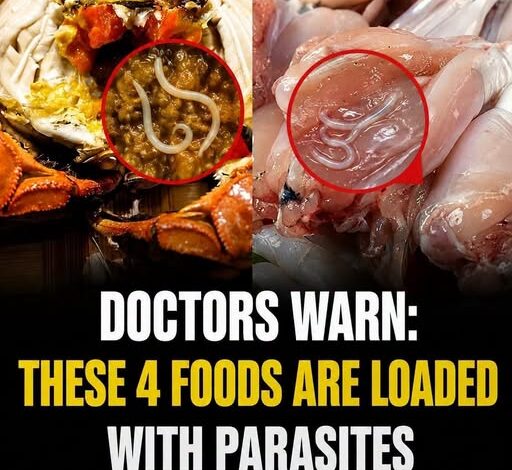
The meal on your dinner plate is far more likely to make you sick from poor food handling than from a hidden parasite—but that doesn’t mean the risk is imaginary. While sensational headlines often paint parasites as silent monsters lurking in everyday foods, the reality is both less frightening and more useful to understand. Certain foods can indeed carry parasites capable of infecting humans if they are eaten raw or undercooked. The good news is that modern food safety practices, proper cooking, and careful sourcing dramatically reduce those risks, allowing you to enjoy a wide variety of foods with confidence rather than fear.
The Hidden Risk Most People Never Think About
When people try to eat healthier, they often focus on calories, carbohydrates, fats, or vitamin content. Yet food safety is just as important. Parasites are living organisms that can contaminate certain foods during farming, harvesting, or processing. Unlike bacteria, which often multiply rapidly under the wrong storage conditions, parasites usually enter the body through contaminated food or water and may survive if food is not prepared properly.
Although parasitic infections are relatively uncommon in countries with strong food safety systems, they still occur worldwide. Depending on the parasite involved, infections can cause symptoms ranging from mild stomach discomfort to more serious illness affecting the intestines, liver, muscles, or other organs. Fortunately, most risks can be greatly reduced through proper cooking, freezing, sanitation, and purchasing food from reputable suppliers.
Raw Fish: Delicious but Demanding Care
Raw fish dishes such as sashimi, sushi, ceviche, and poke are enjoyed around the world. However, certain species of fish can carry parasites, including roundworms (Anisakis), tapeworms, and, in some regions, liver flukes.
Commercial suppliers that prepare fish intended to be eaten raw generally follow strict regulations, including freezing requirements that kill many parasites before the fish reaches restaurants. Reputable sushi establishments purchase fish specifically handled for raw consumption and maintain rigorous food safety standards.
The greatest risks arise when people prepare raw fish from recreational catches or purchase seafood from unreliable sources that may not have undergone appropriate freezing or inspection.
To stay safe:
- Choose reputable restaurants and seafood suppliers.
- Never assume freshly caught fish is safe to eat raw.
- Follow recommended freezing and preparation guidelines if preparing raw fish at home.
Frog Meat: A Specialty Food That Requires Thorough Cooking
Frog legs are considered a delicacy in many parts of the world and can be perfectly safe when prepared correctly. Like other wild or farmed animals, frogs may carry parasites or bacteria if the meat is eaten raw or undercooked.
Cooking frog meat thoroughly to a safe internal temperature destroys parasites and significantly reduces the risk of foodborne illness. Consumers should also purchase frog meat from licensed suppliers rather than unknown vendors where inspection and handling standards may be uncertain.
Snails: Safe Only When Properly Prepared
Escargot has been enjoyed for centuries, but land and freshwater snails can carry parasites, including species that may cause illness in humans if consumed without proper preparation.
Professional kitchens carefully clean and cook snails before serving them. At home, they should never be eaten raw, and thorough cooking is essential. Proper handling and sourcing are just as important as cooking temperature.
Water Chestnuts: An Often-Overlooked Source
Fresh water chestnuts grow in flooded environments where certain parasites may be present. In some regions, raw aquatic plants have been linked to parasitic infections, particularly where sanitation and irrigation conditions are poor.
Fortunately, the solution is straightforward.
Wash fresh water chestnuts carefully.
Peel away the outer skin.
Cook them thoroughly whenever possible, especially if their source is uncertain.
Commercially packaged water chestnuts sold in grocery stores are generally processed under food safety standards that make them much safer than plants gathered from natural waterways.
Beef: Understanding the Real Risk
Many people enjoy steaks cooked rare or medium-rare. While whole cuts of beef from reputable suppliers generally carry a relatively low risk of parasites compared with some other meats, they can still pose food safety concerns if improperly handled or undercooked.
Ground beef presents a greater bacterial risk because organisms on the meat’s surface become mixed throughout during grinding, making thorough cooking particularly important.
Certain parasites have historically been associated with undercooked beef in some parts of the world, though improved livestock management and meat inspection have greatly reduced these risks in many countries.
Using a food thermometer and following recommended cooking temperatures remains the safest approach.
Other Foods Worth Watching
Parasites are not limited to the foods above. Health agencies also recommend extra care with:
- Raw or undercooked pork, which can carry Trichinella or tapeworms in some regions.
- Freshwater fish caught recreationally.
- Wild game meats.
- Unwashed fruits and vegetables grown in contaminated soil.
- Untreated drinking water from lakes, rivers, or streams.
Again, proper preparation dramatically lowers the risk.
The Best Defense Is Safe Food Handling
Experts emphasize that avoiding parasites isn’t about eliminating entire categories of food from your diet. Instead, it comes down to consistent food safety habits.
These include:
- Buying food from reputable suppliers.
- Washing produce thoroughly.
- Preventing cross-contamination between raw and cooked foods.
- Keeping foods properly refrigerated.
- Cooking meats and seafood to recommended internal temperatures.
- Using clean cutting boards, knives, and utensils.
These practices also reduce the risk of bacterial and viral foodborne illnesses, which are generally far more common than parasitic infections.
Recognizing Possible Symptoms
Symptoms vary depending on the parasite involved and may appear days, weeks, or even months after exposure. Common signs include:
- Persistent abdominal pain
- Diarrhea
- Nausea or vomiting
- Fatigue
- Unexplained weight loss
- Loss of appetite
- Fever in some infections
Many of these symptoms have numerous possible causes, so they do not automatically indicate a parasitic infection. However, anyone who develops prolonged digestive symptoms—especially after eating raw or undercooked foods or traveling to areas where certain parasites are more common—should seek medical evaluation.
Staying Safe Without Living in Fear
Parasites deserve respect, but they don’t warrant panic. Thanks to modern food safety standards, refrigeration, inspection programs, and proper cooking methods, the risk of acquiring a parasitic infection from everyday meals is relatively low for most people. The goal isn’t to avoid enjoyable foods altogether—it is to understand which foods require extra care and prepare them responsibly.
Good food safety is built on knowledge rather than fear. By choosing trusted suppliers, handling ingredients carefully, and cooking foods appropriately, you can continue enjoying a varied, nutritious diet while greatly reducing the already manageable risk of foodborne parasites. Awareness—not alarm—is your strongest protection.