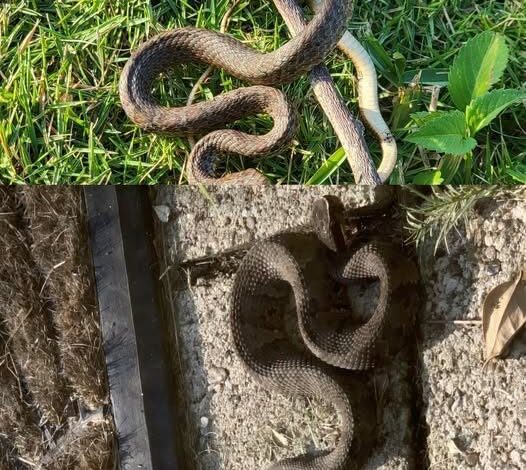
You don’t have to turn your backyard into a war zone to discourage snakes from visiting. In most cases, the most effective approach isn’t trying to eliminate them—it’s making your property less attractive in the first place. By removing the things snakes seek and reducing the places they can hide, you can encourage them to move on naturally while maintaining a healthy balance with local wildlife.
The first step is to eliminate the conditions that invite snakes onto your property.
Snakes are typically searching for two things: food and shelter. If your yard provides an easy meal or a cool, protected hiding place, they’re more likely to stick around. Start by keeping your lawn regularly mowed and trimming overgrown vegetation where snakes and their prey might take cover. Remove brush piles, stacks of leaves, and unused lumber, especially if they’re located close to your home’s foundation.
Firewood should be stored neatly off the ground and, whenever possible, positioned away from the house. Rock piles, dense ground cover, and cluttered storage areas can also create ideal hiding spots, so keeping outdoor spaces tidy goes a long way toward making your yard less inviting.
Reducing food sources is just as important.
Many snakes are drawn to properties because they contain an abundance of rodents, insects, frogs, or other small animals. Secure compost bins with tight-fitting lids, promptly clean up fallen fruit beneath trees, and avoid leaving pet food outdoors overnight. If you enjoy feeding birds, consider placing bird feeders farther from patios, entryways, and frequently used outdoor spaces. Birdseed scattered on the ground often attracts mice and other small mammals, which in turn can attract snakes looking for an easy meal.
When food becomes scarce and shelter is limited, most snakes naturally seek more suitable habitat elsewhere.
Some homeowners also choose to use scent-based deterrents around areas where people spend the most time. While scientific evidence supporting many repellents is limited and results can vary by species, some people report success using strongly scented essential oils such as clove oil or cinnamon oil around foundations, patios, or entry points. Citrus-scented cleaners or water infused with citrus peels may also be used around decks or walkways, although there is little reliable evidence that citrus alone consistently deters snakes.
If you decide to use essential oils, always follow product directions and use caution around children, pets, and beneficial wildlife, as concentrated oils can cause irritation or toxicity in some animals.
Physical barriers are among the most reliable long-term solutions.
Inspect your home’s exterior for cracks, gaps, or openings where snakes could enter crawl spaces, garages, or basements. Repair damaged window screens, install weather stripping beneath exterior doors, and seal foundation gaps with appropriate materials. If snakes are a recurring concern, specially designed snake-exclusion fencing can help reduce access to certain areas when installed correctly.
If a snake repeatedly appears in or around your home, resist the urge to handle it yourself.
Many snakes are harmless and play an important role in controlling rodent populations, but some species are venomous, and it can be difficult to identify them safely. If removal is necessary, contact your local animal control agency or a licensed wildlife removal professional who can relocate the animal in accordance with local regulations.
The goal isn’t to eliminate snakes from the environment.
They are valuable members of the ecosystem, helping keep rodent and pest populations under control. Most snakes avoid people whenever possible and will move away if they don’t find suitable food or shelter.
By creating a yard that is clean, well-maintained, and less appealing to wildlife seeking cover, you’re sending a simple message: this isn’t the easiest place to settle.
With thoughtful landscaping, routine maintenance, and sensible prevention, you can enjoy your outdoor spaces with greater peace of mind while allowing snakes to remain where they naturally belong—in fields, forests, wetlands, and other habitats where they play an important role, rather than around your back door.