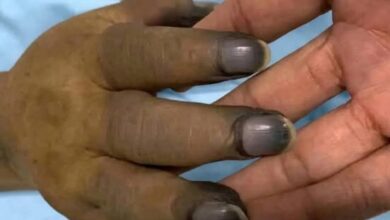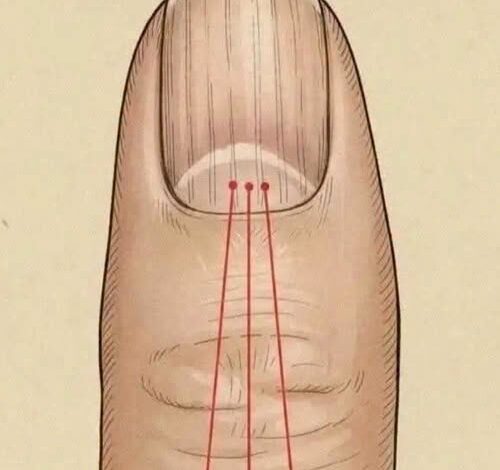
If you’ve ever looked closely at your fingernails and noticed thin vertical lines running from the cuticle to the tip, you’re certainly not alone. For most people, these ridges are a normal part of aging and are rarely a cause for concern. Like the fine lines that gradually appear on the skin, they often reflect the body’s natural changes rather than an underlying health problem.
Your nails are made primarily of keratin, the same strong protein found in your hair and the outer layer of your skin. New nail cells are produced in an area beneath the cuticle called the nail matrix. As we age, this growth process can become slightly less uniform, causing the nail surface to develop subtle vertical ridges over time.
These ridges often become more noticeable with each passing decade.
They tend to appear gradually, deepening so slowly that many people don’t notice them until they catch the light or compare older photographs of their hands. In most healthy adults, they are simply another sign that the body is changing naturally.
Everyday habits can also make the ridges stand out more.
Frequent handwashing, repeated exposure to water, dishwashing, cleaning products, hand sanitizers, and harsh soaps can strip away the natural oils that help keep nails flexible. When nails become dry and brittle, even mild ridges may appear more pronounced because the surface reflects light unevenly.
Dehydration and environmental conditions can have a similar effect.
Cold weather, low humidity, and repeated exposure to drying chemicals may leave nails looking rougher than they actually are. While these factors don’t necessarily cause the ridges themselves, they can make existing ones far more noticeable.
Fortunately, a few simple habits can help improve the overall appearance and health of your nails.
Regularly applying a moisturizing hand cream, especially after washing your hands, helps restore moisture to both the skin and the nails. Paying extra attention to the cuticles is particularly beneficial, as healthy cuticles help protect the nail matrix where new nail growth begins.
When using household cleaners or washing dishes for extended periods, wearing waterproof gloves can reduce repeated exposure to moisture and harsh chemicals. Limiting unnecessary contact with strong solvents, acetone-based products, and abrasive cleaning agents may also help prevent nails from becoming excessively dry.
Keeping your nails trimmed, avoiding excessive buffing, and maintaining a balanced diet that provides enough protein, vitamins, and minerals also supports healthy nail growth. While no cream or supplement can completely eliminate age-related ridges, good nail care often makes them less noticeable and helps reduce splitting or brittleness.
In most cases, vertical ridges alone are considered a normal variation and do not require medical treatment.
However, it’s important to pay attention if your nails change suddenly or develop other unusual features. If vertical ridges appear abruptly, become significantly deeper over a short period, or occur alongside symptoms such as discoloration, pain, swelling, nail separation, or a noticeable change in nail shape, it’s a good idea to consult a healthcare professional or dermatologist. These changes don’t necessarily indicate a serious condition, but they deserve evaluation to determine whether an underlying issue may be contributing.
Similarly, a single dark stripe, persistent nail deformity, or changes affecting only one nail should also be assessed promptly, as they may require further examination.
Most of the time, though, those fine vertical lines are simply another reflection of the body’s natural aging process.
They tell a quiet story of years lived, hands well used, and a body that continues to adapt with time. Rather than viewing them as flaws, it can be helpful to see them as one of many normal changes that accompany healthy aging.
By protecting your hands, keeping your nails moisturized, and paying attention to any unusual changes, you can maintain strong, healthy nails for years to come. And if those familiar ridges continue to appear little by little, they’re usually not a warning sign—they’re simply another reminder that, just like the rest of us, our nails evolve over time.