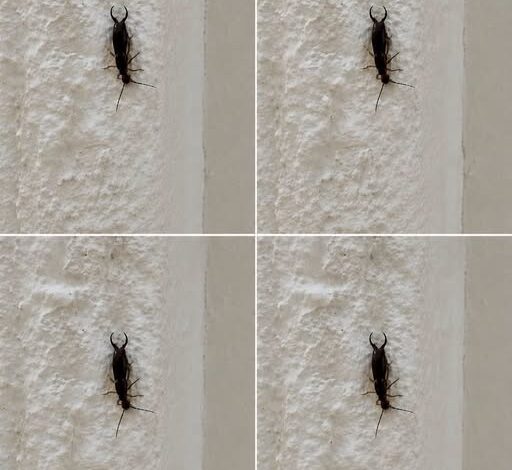
Finding an unfamiliar insect crawling across your wall can be unsettling.
Your first instinct might be to grab a tissue, a shoe, or a can of bug spray and get rid of it as quickly as possible. While there’s nothing wrong with removing an unwanted visitor, it’s also worth taking a moment to ask a simple question:
Why is it here?
In many cases, the answer is completely harmless.
Countless insects accidentally wander indoors through an open door, a cracked window, or a tiny gap around a screen. Others are drawn to porch lights at night and simply find their way inside while someone is coming or going. A single insect often doesn’t indicate a larger problem—it may simply be a traveler that took a wrong turn.
Sometimes, however, an insect can point to conditions that deserve a closer look.
Certain species are attracted to food crumbs left under appliances, overflowing trash bins, standing water, damp areas beneath sinks, or clutter that provides shelter. Others may indicate excess moisture from a slow plumbing leak or poor ventilation in bathrooms, basements, or crawl spaces.
The insect itself isn’t always the problem.
It may simply be revealing one.
That’s why identification matters.
Before reacting, try to take a clear photo or get a closer look from a safe distance. Knowing whether you’ve found an ant, beetle, moth, silverfish, cockroach, termite, or another species can provide valuable clues about why it appeared and whether additional action is necessary.
One insect rarely tells the whole story.
But patterns do.
If you begin seeing the same type of insect repeatedly—or notice them appearing in the same location—it may be time to investigate more carefully.
Simple preventive measures can make a significant difference.
Vacuum regularly, especially beneath furniture and appliances where crumbs can collect. Store food in sealed containers, clean spills promptly, and empty garbage frequently. Repair leaking faucets or pipes, reduce excess humidity where possible, and eliminate standing water that may attract insects.
Don’t overlook your home’s exterior.
Inspect doors and windows for damaged weatherstripping, repair torn screens, and seal small cracks around utility lines, foundations, and siding. Keeping vegetation trimmed away from the house and reducing piles of leaves, wood, or stored materials near exterior walls can also make it less inviting for pests.
These small habits work together.
Rather than simply removing one insect after another, they make your home a place where many pests struggle to survive in the first place.
Of course, not every situation can be solved with cleaning and maintenance alone.
If you notice large numbers of insects, signs of structural damage, recurring infestations, or species known to cause property damage or health concerns, it’s wise to consult a licensed pest-control professional. Identifying the source early often makes treatment simpler and more effective.
In the end, a single insect doesn’t necessarily signal disaster.
More often than not, it’s simply a reminder to pay attention.
Sometimes it’s nothing more than an accidental visitor.
Sometimes it’s your home’s quiet way of telling you that a small problem is beginning before it grows into a much larger one.
Either way, responding with observation instead of panic puts you in the best position to protect your home. One tiny insect may not be cause for alarm—but it is always an opportunity to look a little closer, make a few thoughtful improvements, and keep your living space healthier, cleaner, and far less inviting to unwanted guests.