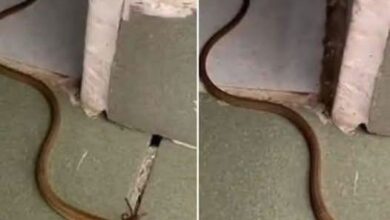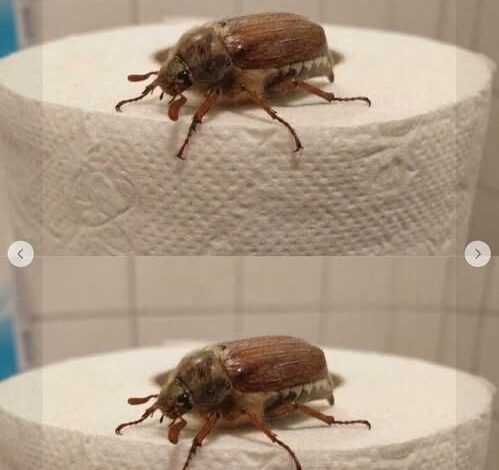
Finding an unfamiliar bug inside your home can be unsettling.
Your first instinct may be to grab the nearest can of insect spray and get rid of it immediately. But before you react, take a moment to do something that is often far more useful:
Look closely.
Careful observation is one of the best tools for identifying an unknown insect and deciding whether it actually requires treatment. A few simple details can tell an important story about what you’ve found and why it may have wandered indoors.
Start by noticing its size.
Is it tiny like an ant, or much larger? Look at its color, body shape, and whether it has wings. Count the number of legs if you can, and pay attention to distinctive features such as long antennae, stripes, spots, or pincers. Just as important is where you found it—a bathroom, kitchen, bedroom, basement, window, or near a houseplant. The location often provides valuable clues about the insect’s habits.
If possible, take a clear photograph before removing it.
A sharp image taken in good lighting from above and from the side can make identification much easier. Today, many reliable field guides, university extension services, and professional pest-control experts can often identify common household insects from a good-quality photo.
Accurate identification matters.
Many insects that wander indoors are harmless. Beetles, moths, and other accidental visitors often enter through open doors or windows and pose little or no risk. Others, such as cockroaches, termites, or bed bugs, may require prompt attention because they can damage property or become difficult to control if left untreated.
Treating every insect the same way can create unnecessary problems.
Using pesticides before you know what you’re dealing with may expose people and pets to chemicals without solving the underlying issue. In some cases, the wrong treatment can even make certain infestations more difficult to manage.
Once you’ve identified the insect, you can choose the most appropriate response.
For a harmless visitor, gently removing it or allowing it to find its way back outside may be all that’s needed.
If you’ve discovered a pest that commonly infests homes, focus not only on removing the insects but also on eliminating the conditions that attracted them in the first place.
Store food in sealed containers.
Wipe up crumbs and spills promptly.
Repair leaking pipes or eliminate standing water.
Replace damaged window screens.
Seal gaps around doors, windows, utility pipes, and foundations where insects may be entering.
Reducing clutter indoors and around the outside of your home also removes many of the hiding places insects prefer.
These simple habits do more than deal with one bug.
They make your home less inviting to future visitors.
Of course, if you begin seeing large numbers of insects, discover signs of structural damage, or suspect a difficult pest such as termites or bed bugs, it’s wise to contact a licensed pest-management professional. Early identification and targeted treatment are often the fastest and most effective solutions.
In the end, spotting an unfamiliar insect doesn’t have to trigger panic.
It can simply be an opportunity to pause, observe, and respond thoughtfully. One clear photograph, a few minutes of careful identification, and a little preventive maintenance often accomplish far more than reaching immediately for a can of spray.
Knowledge is one of the most effective forms of pest control. The more you understand about the insects that occasionally enter your home, the more confidently you can choose the safest, smartest, and most effective way to deal with them.