Understanding Dark Patches on the Skin: A Gentle Guide to Acanthosis Nigricans and When to Seek Care

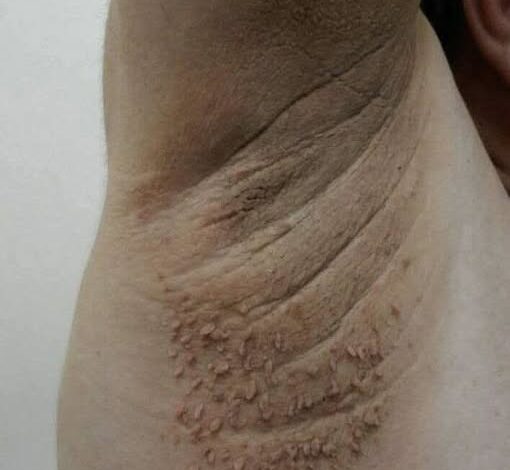
Dark, velvety patches of skin can be frustrating—and for many people, deeply embarrassing.
They often appear on the back of the neck, under the arms, in the groin, or in other skin folds, leading some people to believe they simply haven’t scrubbed hard enough or that poor hygiene is to blame.
In most cases, that isn’t true.
These patches may be a condition called acanthosis nigricans, and they are often a sign that something deeper is happening inside the body rather than a problem with the skin itself.
Acanthosis nigricans causes areas of skin to become darker, thicker, and velvety in texture. The affected skin is usually painless, though it may occasionally itch or have a mild odor if moisture becomes trapped in skin folds.
For many people, the condition is closely linked to insulin resistance.
When the body becomes less responsive to insulin, it often produces higher levels of the hormone to keep blood sugar under control. Those elevated insulin levels can stimulate skin cells to grow more rapidly, leading to the characteristic thickened, darkened patches. Because of this connection, acanthosis nigricans may be an early warning sign of prediabetes or type 2 diabetes.
Insulin resistance is not the only possible cause.
The condition can also occur in people with obesity, polycystic ovary syndrome (PCOS), certain hormonal disorders, or as a side effect of some medications. Less commonly, especially when the patches appear suddenly, spread rapidly, or occur in unusual locations, acanthosis nigricans may be associated with other underlying medical conditions that require prompt evaluation.
That is why these skin changes deserve attention.
A healthcare professional can often recognize acanthosis nigricans simply by examining the affected areas. Depending on your medical history and symptoms, they may recommend blood tests to evaluate blood sugar levels, measure long-term glucose control with an HbA1c test, assess hormone levels, or look for other metabolic concerns.
Finding the underlying cause is the most important step.
Treating the skin alone rarely addresses the problem if the condition is being driven by insulin resistance or another medical issue. Improving blood sugar control, losing weight when appropriate, increasing physical activity, or treating hormonal disorders can often lead to gradual improvement in the appearance of the skin over time.
If a medication is contributing to the condition, your healthcare provider may discuss whether an alternative treatment is appropriate. Never stop a prescribed medication without medical advice.
Alongside medical treatment, gentle skin care can help keep affected areas comfortable.
Use mild cleansers rather than harsh scrubbing, which can irritate the skin without removing the discoloration. Wearing loose-fitting clothing may reduce friction, and keeping skin folds clean and dry can minimize irritation. Sunscreen is also helpful for exposed areas, as sun exposure may make discoloration appear more noticeable.
Some people choose cosmetic treatments to improve the appearance of the skin, but these are generally most effective after the underlying cause has been addressed.
Perhaps the most important message is this:
Your skin is part of your body’s communication system.
Sometimes it reveals health changes long before other symptoms become obvious. Paying attention to those signals can lead to earlier diagnosis and treatment of conditions that affect far more than appearance.
If you notice dark, velvety patches developing—particularly if they appear suddenly, spread quickly, or are accompanied by symptoms such as increased thirst, frequent urination, unexplained weight changes, or unusual fatigue—schedule an appointment with a healthcare professional.
Acanthosis nigricans is often harmless in itself, but it can be an important clue about your overall health. Listening to that clue, rather than hiding it out of embarrassment, may help identify treatable conditions early and protect your health for years to come.