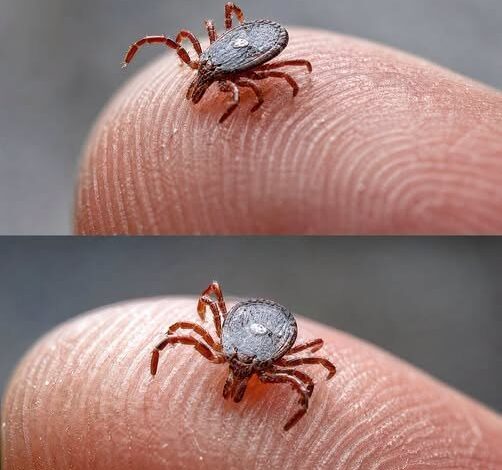
Finding a lone star tick attached to your skin can be alarming.
The tick itself is small, but the questions it leaves behind often feel much larger. Was it attached for hours or days? Could it have transmitted a disease? Should you see a doctor immediately, or simply keep an eye on the bite?
The good news is that a tick bite does not automatically mean you will become ill.
What matters most is responding calmly and taking the right steps.
If you discover a lone star tick attached to your skin, remove it as soon as possible using fine-tipped tweezers. Grasp the tick as close to the skin’s surface as you can and pull upward with steady, even pressure. Avoid twisting, crushing, or jerking the tick, as this can leave parts of its mouth embedded in the skin.
Once the tick has been removed, wash the bite area and your hands thoroughly with soap and water or clean the area with rubbing alcohol if available.
Some people choose to dispose of the tick immediately, while others place it in a sealed container or bag in case identification becomes helpful later. If symptoms develop, having the tick available may assist healthcare professionals, although it is not always necessary.
After that comes the part many people find most difficult:
Waiting.
For the next several days and weeks, pay attention to how you feel. Most tick bites heal without causing illness, but certain symptoms deserve prompt medical attention. Contact a healthcare professional if you develop a fever, worsening headache, unusual fatigue, muscle or joint aches, swollen lymph nodes, or a rash—particularly if these symptoms appear after a recent tick bite or outdoor exposure.
Unlike the classic bull’s-eye rash often associated with Lyme disease, lone star ticks are linked to different illnesses, and symptoms can vary. Let your healthcare provider know when and where the tick bite occurred so they can determine whether testing or treatment is appropriate.
One reason lone star ticks receive particular attention is their association with alpha-gal syndrome.
This uncommon condition can develop after some lone star tick bites and causes an allergy to alpha-gal, a sugar found in the meat of most mammals such as beef, pork, lamb, and venison. Unlike many food allergies that trigger symptoms within minutes, alpha-gal reactions often begin three to six hours after eating mammalian meat, making the connection easy to overlook.
Symptoms may include hives, itching, stomach cramps, nausea, vomiting, diarrhea, swelling of the lips or throat, or difficulty breathing. Severe reactions require immediate emergency medical care. Not everyone bitten by a lone star tick develops alpha-gal syndrome, but recognizing the possibility can help people seek timely evaluation if unexplained allergic reactions occur after eating red meat.
Prevention remains one of the most effective forms of protection.
When spending time in wooded, grassy, or brush-filled areas, wear long sleeves and long pants when practical, use an EPA-registered insect repellent according to the product label, and stay on cleared trails whenever possible. After returning indoors, perform a thorough tick check on yourself, children, and pets, paying close attention to areas such as the scalp, behind the ears, under the arms, around the waist, and behind the knees.
Keeping your yard well maintained by mowing grass, trimming vegetation, and reducing leaf litter can also make your property less attractive to ticks.
The most important thing to remember is this:
A tick bite is a reason to be attentive—not to panic.
Most people who remove ticks promptly never develop serious illness. Knowing what symptoms to watch for, seeking medical advice when needed, and taking sensible preventive measures can greatly reduce both the health risks and the anxiety that often follows a tick bite.
Awareness is your strongest defense. By acting promptly, monitoring your health, and taking steps to prevent future bites, you can turn an unsettling encounter into a manageable situation—and enjoy the outdoors with confidence rather than fear.