Communities Stay Alert as Severe Weather Concerns and Other Major News Events Draw Public Attention

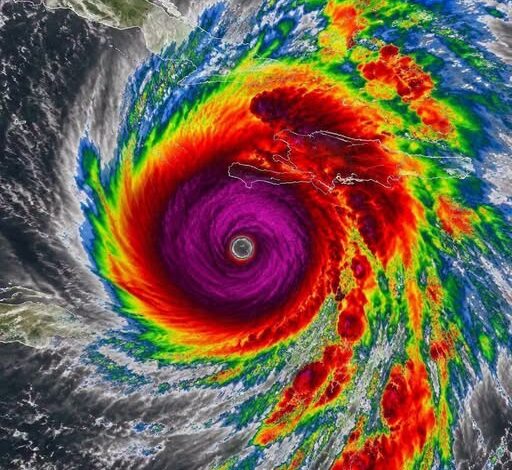
As storm clouds gather offshore, an uneasy calm settles over communities along the coastline.
Stores are a little busier than usual. Driveways fill with activity as families bring in outdoor furniture, secure loose items, and check emergency supplies one last time. Phones are plugged in to charge, flashlights are tested, and weather alerts remain open on countless screens.
Life continues.
Children still play.
Neighbors still wave.
But beneath the routine lies a shared awareness that the next few hours may bring something very different.
Preparing for severe weather is rarely dramatic.
It is a series of quiet decisions made before they become urgent.
Emergency officials continue urging residents to follow local forecasts, review evacuation plans if applicable, and keep enough food, water, medications, and essential supplies on hand in case conditions worsen. These practical steps cannot prevent a storm, but they can make facing one significantly safer.
Elsewhere, another community is already confronting tragedy.
In Talladega County, families have been shaken by a devastating school bus crash that transformed an ordinary route into an emergency. First responders, hospital staff, teachers, and loved ones have spent long hours supporting those affected, while investigators work carefully to determine exactly what happened.
For the families involved, the focus is not on headlines.
It is on children.
On recovery.
On sitting beside hospital beds.
On waiting for good news.
Communities often respond to moments like these in remarkably similar ways. Churches, schools, civic organizations, and neighbors organize meals, collect donations, arrange transportation, and offer practical help that allows grieving families to focus on one another rather than everyday burdens.
A hot meal.
A ride to the hospital.
Someone willing to watch younger siblings.
These quiet acts rarely make national news, yet they often become the foundation upon which recovery begins.
Beyond local communities, world events continue unfolding at the same time.
Diplomats meet behind closed doors, negotiating difficult issues that affect lives far beyond the conference room. Progress is often measured not by dramatic breakthroughs but by patient discussion, careful compromise, and the hope that dialogue can prevent conflict from growing even larger.
Whether responding to storms, accidents, or international crises, people are ultimately confronting the same challenge:
How to protect one another when circumstances feel uncertain.
No one can control the weather.
No individual can solve every global dispute.
But each person can choose how they respond to those around them.
Preparedness instead of panic.
Compassion instead of indifference.
Reliable information instead of rumor.
Helping instead of standing by.
Those choices matter.
As evening falls, families continue checking forecasts, emergency workers remain on duty, healthcare professionals care for those recovering from tragedy, and countless volunteers quietly step forward wherever they are needed.
In moments of uncertainty, resilience is rarely found in dramatic gestures.
It grows through ordinary people doing ordinary things with extraordinary kindness.
Checking on a neighbor.
Sharing supplies.
Offering a place to stay.
Listening when someone needs to talk.
Storms eventually pass.
Communities begin rebuilding.
Grief slowly becomes remembrance.
And through each challenge, one truth continues to emerge:
The strongest shelter people can offer one another is not always a building.
Sometimes it is simply the decision to face difficult days together, refusing to let anyone weather the storm alone.