Oklahoma Liquor Store Faces Backlash Over ‘Offensive’ Sign On Front Door, Store Management Refuses To Apologize


This story is being republished. It was originally reported in August 2017.
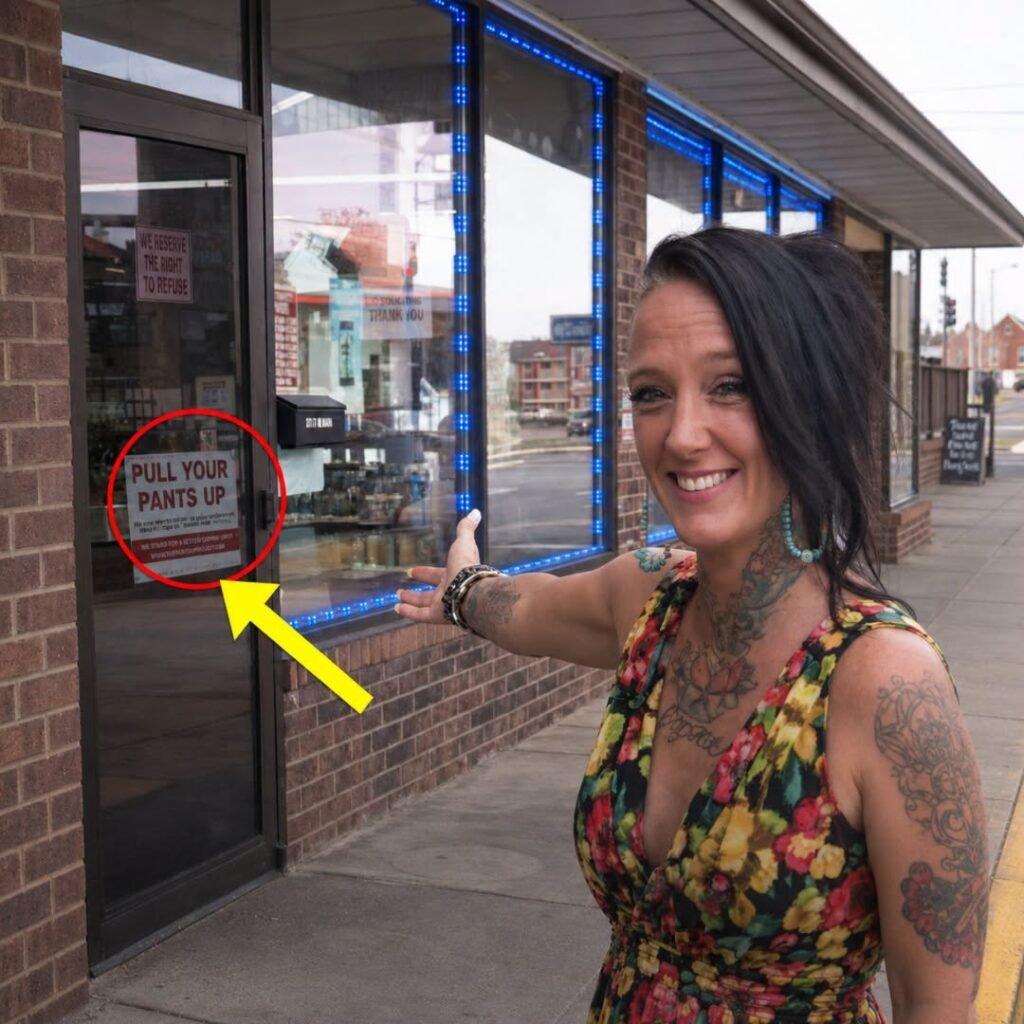
An Oklahoma City liquor store sparked a heated public debate after posting a blunt message near its entrance: “Pull your pants up!” The notice went on to state that customers wearing sagging pants that exposed their underwear or buttocks would not be allowed inside the business.
The sign quickly drew attention both locally and online, dividing opinion over whether it reflected a reasonable dress code or an unnecessary and potentially discriminatory policy.
Store management at Midwest Wine and Spirits defended the decision in an interview with KFOR, saying the policy was introduced after repeated issues with customers entering the store wearing their pants low enough to expose their underwear and, at times, parts of their buttocks.
According to management, the goal was to establish expectations for appropriate attire inside the business rather than to target any particular group of customers.
Not everyone agreed with the approach.
Customer Sunshine Weatherby questioned whether a liquor store was in a strong position to criticize patrons over their appearance.
“I could understand it if it were somewhere like a church,” she said. “But this is a liquor store. I’ve seen much worse in liquor stores.”
Even so, Weatherby acknowledged that private businesses generally have the right to establish reasonable dress codes, provided those rules are enforced consistently.
Her concern centered on how the policy would be applied.
If every customer was treated equally regardless of race or background, she said, she had no objection. However, she emphasized that using the policy selectively or as a pretext for discrimination would be unacceptable.
Store employees also argued that the dress code was motivated by practical concerns.
One employee said they had observed that some shoplifters concealed bottles inside loose-fitting clothing, leading staff to pay closer attention to customers whose clothing made concealment easier.
It’s important to note, however, that clothing style alone does not determine whether someone intends to commit theft. Retail businesses typically rely on surveillance systems, employee observation, and established security procedures to address shoplifting while avoiding assumptions based solely on appearance.
The incident ultimately raised broader questions about where businesses should draw the line between setting standards for customer conduct and respecting individual freedom of expression.
Supporters of the policy argued that business owners have the right to establish dress expectations for their premises, just as many restaurants, clubs, and other establishments enforce clothing requirements.
Critics, meanwhile, questioned whether such rules can unintentionally reinforce stereotypes or lead to unequal treatment if they are not applied fairly and consistently.
Years after the sign first appeared, the discussion continues to reflect a larger conversation about personal expression, private property rights, and the importance of ensuring that business policies are enforced with fairness, consistency, and respect for every customer.