It is with heavy hearts that we announce the passing of this legendary actor who gave us so much

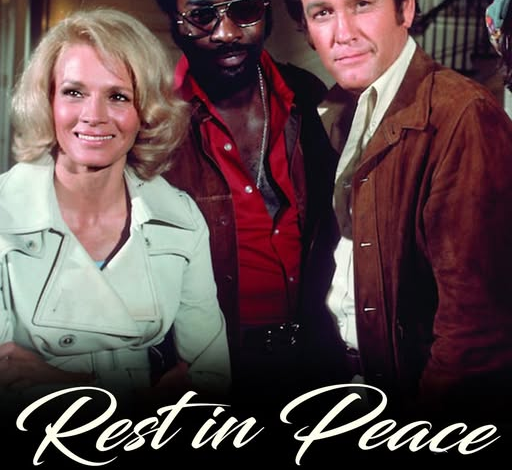
Ed Bernard built a career in a part of Hollywood most audiences rarely notice until someone like him is gone.
He was never the loudest name on a marquee.
Never the face dominating magazine covers or tabloid headlines.
And yet for decades, he appeared inside American living rooms carrying something many stars never fully achieve:
believability.
The moment Ed Bernard stepped into a scene, the world onscreen felt more real.
That kind of presence cannot be manufactured through publicity. It comes from actors who understand that supporting roles are not smaller roles — they are structural ones. They hold stories steady. They give emotional weight to chaos. They create the texture of reality around central characters, often quietly enough that audiences absorb the truth of the performance without consciously noticing the performer responsible.
Ed Bernard mastered that craft.
Long before prestige television became fashionable language, he was helping shape the emotional backbone of shows that defined entire eras of American television. On Police Woman, he moved through crime and tension with a grounded authority that never felt exaggerated. On The White Shadow, particularly within the halls of Carver High, he became part of something deeper than entertainment alone.
That series mattered to people.
Not just because of basketball or drama, but because it treated young Black lives, education, race, struggle, and mentorship with unusual humanity for its time. Bernard’s presence inside that world carried calm strength — the kind adults remember from teachers, coaches, counselors, and fathers who stabilized rooms simply by entering them.
He understood restraint.
Many actors chase scenes.
Ed Bernard anchored them.
Colleagues often described him the same way after working together:
professional,
steady,
generous,
prepared.
Not flashy.
Reliable.
In an industry addicted to ego and volatility, reliability becomes its own kind of artistry. Productions survive because certain performers arrive knowing exactly who their characters are and how to support the emotional rhythm of the story instead of competing against it.
Bernard belonged to that tradition.
Viewers may not always have remembered his name immediately, but they remembered how his characters made them feel:
safe,
grounded,
honest.
That emotional memory matters more than celebrity sometimes.
Because fame burns brightly and disappears quickly.
Authenticity lingers.
Off-screen, the man himself seems to have moved through life with the same quiet steadiness he brought to television. Friends and family describe someone deeply curious about the world long after success might have made complacency easier. He loved conversation, learning, food, faith, and the simple rituals that give ordinary life texture and meaning.
Most importantly, he loved people.
His marriage to Shirley became one of those quieter Hollywood love stories rarely sensationalized publicly because stability generates fewer headlines than collapse. Yet longevity itself can become remarkable in industries built around reinvention and performance. Together they built not merely careers and schedules, but family:
children,
grandchildren,
shared history unfolding gradually outside public attention.
That private life mattered deeply to him.
Perhaps because actors spend so much time inhabiting fictional identities that genuine connection becomes sacred. Cameras reward illusion constantly. Home offers relief from it.
And by all accounts, Ed Bernard treasured that relief.
The Academy’s decision to include him in its In Memoriam tribute carried emotional weight precisely because performers like Bernard sometimes risk slipping through public remembrance too quietly despite shaping television history profoundly. The montage lasts only moments for each face:
a photograph,
a clip,
a name fading gently across the screen.
But for fellow actors and longtime viewers, inclusion signals something meaningful:
this person mattered to the art form.
This work endured.
This life left fingerprints behind.
In Bernard’s case, the acknowledgment felt less like spectacle than recognition finally catching up to truth.
Because supporting actors often occupy a strange place culturally. Audiences invite them into homes weekly for years, even decades, until their faces become woven into memory itself. Yet their fame remains softer, less invasive than superstardom. People feel affection toward them without fully realizing how much emotional familiarity they provided over time.
Then they die, and suddenly viewers recognize the scale of what was there all along.
A generation remembers seeing him after school.
Late-night reruns.
Weekend marathons.
Family evenings gathered around television sets before streaming fragmented attention endlessly.
Ed Bernard belonged to that era of television where character actors became part of the emotional architecture of daily life.
And perhaps that is why his loss feels quietly significant even to people struggling initially to place every role.
Because they remember the feeling.
The authority in his voice.
The steadiness in his posture.
The humanity he carried into scenes that might otherwise have felt disposable.
He made television feel lived in.
That gift matters more than celebrity culture usually admits.
Now the work remains behind:
episodes replayed endlessly somewhere,
old scenes rediscovered by younger audiences,
performances still carrying emotional truth decades later.
But beyond the screen survives something even more meaningful:
the memory held by people who actually knew him.
A husband whose absence reshapes silence inside the home.
A father and grandfather whose stories now get retold at family tables.
A colleague remembered not for tantrums or ego, but for kindness and professionalism repeated consistently over years.
That legacy may not dominate headlines.
But it endures where real lives always endure:
inside conversations,
inside memories,
inside the subtle ways one person’s steadiness changes the emotional atmosphere around others.
Ed Bernard spent much of his career helping fictional worlds feel authentic.
Now, after his passing, the tributes reveal something beautifully fitting:
the man himself appears to have been exactly that authentic too.
And perhaps there is no greater accomplishment for an actor — or for any human being — than leaving behind the quiet certainty that who people saw publicly was remarkably close to who you truly were when the cameras stopped rolling.