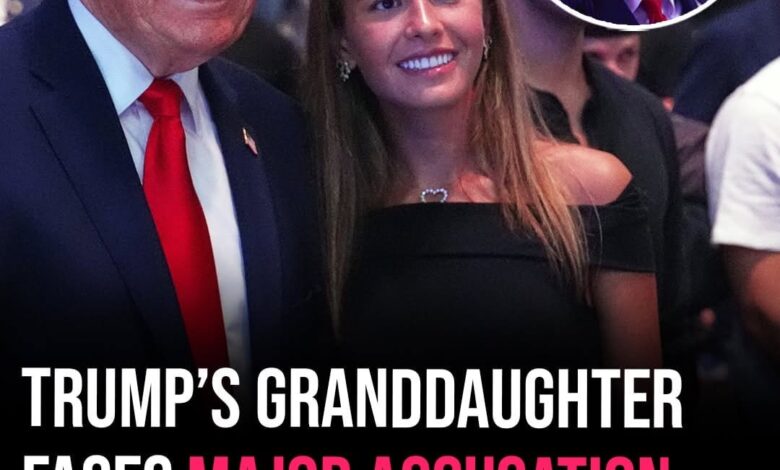
What started as a simple courtside family snapshot has spiraled into a heated debate over authenticity, perception, and who gets to control the story. In the video shared by Kai, the chaotic mix of cheers and jeers reportedly heard throughout the arena is replaced by a polished, almost ceremonial quiet. That striking contrast has fueled accusations that the moment was cleaned up, edited, or presented in a way that softened the reality of what unfolded inside the venue.
Critics point to the absence of the crowd’s negative reactions as evidence that the clip paints an incomplete picture. To them, every missing boo feels deliberate, especially given Trump’s ability to divide public opinion wherever he appears. But others urge caution before jumping to conclusions. They argue there are several plausible explanations, from audio licensing restrictions and broadcast feeds to alternate camera angles or edited highlight packages that naturally alter the soundscape. Without clear evidence, they say, assumptions remain just that—assumptions.
Yet the controversy continues to grow because it taps into something much larger than a single social media post. As the video spreads across platforms, it becomes a battleground in a broader struggle over trust and narrative. Every frame is analyzed, every second scrutinized, and every missing sound treated as potential proof of manipulation. In an era when millions consume events through curated clips rather than firsthand experience, even the smallest discrepancy can ignite a firestorm.
At the center of it all is a question no one has definitively answered. Did Kai knowingly share a version of the moment that softened its rough edges, or was she simply posting what she believed was an authentic keepsake from an unforgettable night? With neither Kai nor the White House publicly addressing the controversy, speculation continues to fill the silence.
And that silence may be the most powerful part of the story. Because the debate is no longer just about what happened inside an arena. It is about competing versions of reality, the narratives people choose to trust, and how easily a single clip can become a symbol of a much larger cultural divide. Until more answers emerge, one lingering question remains: when different versions of the same moment collide, which one will people decide is the truth?