Vitamin B12 is one of the body’s most essential nutrients, quietly supporting some of the most critical processes that keep us alive and functioning. It plays a central role in producing healthy red blood cells, maintaining the protective coating around nerves, and helping create and repair DNA in every cell. Unlike many nutrients, however, the body cannot manufacture vitamin B12 on its own. Every ounce of what your body uses must come from food or supplements, making a reliable source absolutely necessary for long-term health.
The richest natural sources of vitamin B12 are animal-based foods such as meat, fish, poultry, eggs, and dairy products. Because of this, vegetarians and especially vegans face a higher risk of deficiency unless they regularly consume fortified foods or take supplements. Older adults, people with digestive disorders, and those who have undergone certain stomach or intestinal surgeries may also struggle to absorb enough B12, even when their diets appear adequate.
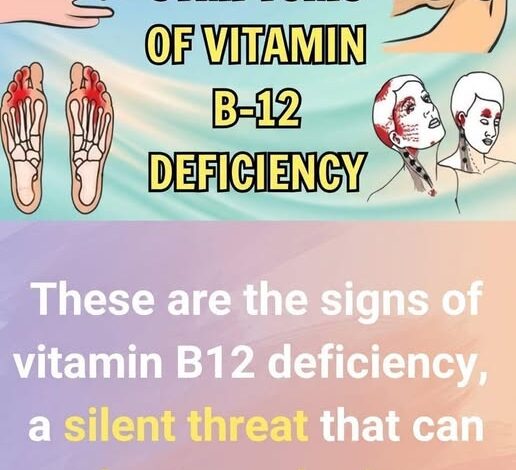
When vitamin B12 levels begin to fall, the consequences often develop gradually and can be surprisingly easy to overlook. Early symptoms may feel like ordinary exhaustion: persistent fatigue, low energy, weakness, and difficulty concentrating. Many people attribute these warning signs to stress, aging, or lack of sleep, allowing the deficiency to progress unnoticed. As levels continue to decline, the body’s ability to transport oxygen efficiently is compromised, leading to shortness of breath, dizziness, heart palpitations, and a constant feeling of being physically drained.
The effects are not limited to energy levels. A prolonged deficiency can affect the nervous system, producing tingling, numbness, or a pins-and-needles sensation in the hands and feet. Some individuals experience balance problems, muscle weakness, or difficulty walking. The skin may become unusually pale or develop a slight yellow tint, while the tongue can appear swollen, red, or painfully sore. These symptoms may seem unrelated at first, but they often point back to the same underlying problem.
Perhaps most concerning are the effects on the brain and mental health. Low vitamin B12 levels can contribute to memory problems, confusion, poor concentration, irritability, depression, and mood changes. In severe cases, untreated deficiency may lead to lasting neurological damage. What begins as occasional forgetfulness or mental fog can gradually interfere with daily life, relationships, and overall well-being.
The good news is that vitamin B12 deficiency is usually easy to diagnose and often highly treatable. A simple blood test can reveal whether levels are too low, allowing healthcare providers to determine the best course of action. Depending on the cause and severity, treatment may involve dietary adjustments, oral supplements, fortified foods, or prescription injections that rapidly restore healthy levels.
When caught early, many symptoms improve significantly and may disappear entirely. Energy often returns, mental clarity improves, and nerve-related symptoms may stabilize or reverse. The longer a deficiency goes untreated, however, the greater the risk that some neurological effects become permanent. That is why persistent fatigue, unexplained weakness, tingling sensations, or cognitive changes should never be ignored.
Vitamin B12 may not receive the same attention as trendy superfoods or popular wellness supplements, but its importance cannot be overstated. Every heartbeat, every nerve signal, and every new blood cell relies on this remarkable nutrient. Paying attention to your intake today can help protect your energy, your mind, and your long-term health for years to come.