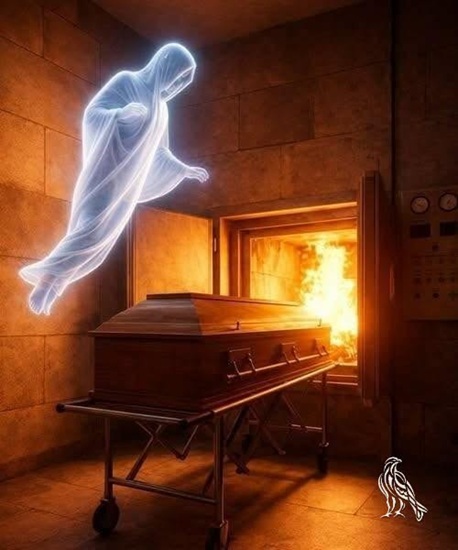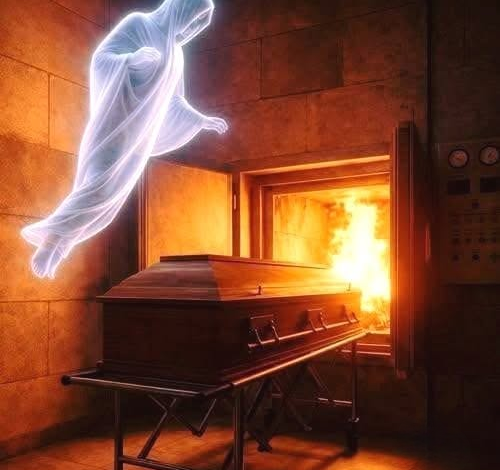
For centuries, Christians have wrestled with questions surrounding death, burial, and what happens after life on earth comes to an end. Few topics spark more thoughtful discussion than cremation. Once considered unusual in many Christian communities, cremation has become increasingly common across the world, prompting believers to revisit Scripture and ask an important question:
Does cremation conflict with Christian faith?
For many Christians, the answer involves much more than funeral arrangements. It touches on profound beliefs about the human body, the resurrection of the dead, eternal life, and the way loved ones are honored after death. While traditions have evolved over time, the central teachings of Christianity remain rooted in hope, dignity, and trust in God’s power.
Understanding what the Bible says—and does not say—about cremation can help believers approach this deeply personal decision with greater clarity and peace.
A Question Many Christians Are Asking
In previous generations, burial was overwhelmingly the preferred choice among Christians. Church cemeteries, family grave plots, and traditional funeral services became deeply woven into Christian culture.
Today, however, circumstances have changed.
Economic concerns, limited burial space, environmental considerations, and personal preferences have led many families to choose cremation. As this practice has become more common, Christians from various backgrounds have sought to understand whether cremation aligns with biblical teaching or conflicts with long-held beliefs.
Surprisingly, one of the first things many people discover is that the Bible never directly forbids cremation.
There is no verse that explicitly commands Christians to bury their dead rather than cremate them. Instead, Scripture focuses primarily on broader spiritual truths about life, death, the body, and God’s promise of resurrection.
Because of this, discussions about cremation often center not on specific commands but on theological principles.
The Burial Traditions Found in Scripture
When people explore biblical examples, they quickly notice that burial was the most common practice among God’s people.
Throughout the Old Testament, burial was treated as an act of honor and respect.
Abraham purchased the Cave of Machpelah as a burial place for Sarah. Later, it became the resting place of several members of his family. Joseph famously requested that his bones be carried back to the Promised Land rather than remain in Egypt. Kings, prophets, and patriarchs were often buried among their ancestors, reflecting the importance of family heritage and remembrance.
These examples reveal a strong cultural preference for burial.
However, they are generally understood as descriptions of what people did rather than commands requiring all future believers to do the same.
The Bible records many customs practiced by ancient cultures without necessarily presenting them as mandatory for every generation.
As a result, most Christian scholars distinguish between biblical examples and biblical requirements.
Burial may have been the dominant practice, but Scripture stops short of declaring it the only acceptable option.
What About Cremation in the Bible?
Although burial appears most frequently, the Bible does contain a few references involving the burning of human remains.
These instances are relatively rare and usually occur in unusual circumstances.
In some cases, burning was associated with judgment or warfare. In others, it was connected to extraordinary situations where normal burial practices were impossible.
Because these examples are uncommon and context-specific, they do not establish a comprehensive biblical teaching on cremation itself.
This is one reason theologians often caution against drawing sweeping conclusions from isolated passages.
The absence of a direct prohibition has led many Christian denominations to conclude that cremation, in and of itself, is not inherently sinful.
Instead, the focus shifts to larger theological questions.
What does Christianity teach about the body?
How does resurrection relate to physical remains?
And does cremation somehow interfere with God’s promises?
The Christian Hope of Resurrection
At the heart of Christianity is the belief that death is not the end.
The resurrection of Jesus Christ stands as the foundation of Christian hope. Because Christ was raised from the dead, believers trust that they too will experience resurrection and eternal life.
This doctrine has enormous implications when discussing cremation.
Some people worry that reducing a body to ashes might somehow complicate or prevent resurrection.
Historically, this concern contributed to skepticism about cremation in certain Christian communities.
However, most modern Christian theologians point to a simple truth:
God’s power is not limited by the condition of a physical body.
Over time, every buried body naturally decomposes.
Many individuals throughout history have died in circumstances involving fire, war, natural disasters, or other events that left no preserved remains.
Yet Christian doctrine has always maintained that God is fully capable of resurrecting the dead regardless of what has happened to their earthly bodies.
The promise of resurrection depends on God’s power—not on the preservation of human remains.
Whether a body returns to dust through natural burial or becomes ashes through cremation, the ultimate Christian hope remains unchanged.
God’s ability to restore life is not diminished by the method of disposition.
The Dignity of the Human Body
Even though the body is temporary, Christianity teaches that it possesses profound significance.
The New Testament describes the human body as a temple of the Holy Spirit. Throughout life, believers are called to treat their bodies with respect, recognizing them as gifts from God.
This principle continues after death.
For many Christians, the discussion about cremation is not merely practical—it is also deeply symbolic.
The body deserves dignity.
The deceased deserve honor.
Funeral practices should reflect reverence and respect.
Because of this, many churches emphasize that the manner in which cremation is approached matters greatly.
When cremation is chosen thoughtfully and respectfully, it can still reflect Christian values of honor, remembrance, and hope.
The focus remains on how the deceased is treated rather than simply on the physical process itself.
A body can be honored through burial.
A body can also be honored through cremation.
The central issue is not the method alone but the spirit in which the decision is made.
How Christian Views Have Changed Over Time
Historically, some Christian traditions strongly favored burial.
Part of this preference developed because burial symbolized waiting for resurrection. The image of a body resting in the earth carried powerful theological meaning for many believers.
Additionally, early Christians often distinguished themselves from surrounding cultures that practiced cremation for religious reasons different from Christian beliefs.
As centuries passed, burial became deeply embedded in Christian custom.
However, modern Christian perspectives have evolved.
Today, many Protestant denominations openly accept cremation.
The Roman Catholic Church, which once discouraged the practice, now permits cremation provided it is not chosen as a denial of Christian teaching regarding resurrection.
Many Orthodox communities continue to prefer burial, though practices vary depending on region and tradition.
Overall, the trend across much of Christianity has been toward recognizing cremation as a legitimate option when approached with proper respect and faith.
Practical Considerations in the Modern World
Modern realities have also influenced the conversation.
In many cities, cemetery space has become increasingly limited.
Burial costs can place significant financial strain on families.
Environmental concerns have prompted some individuals to explore alternative methods of disposition.
These practical factors often play a role in end-of-life planning.
Many Christian leaders acknowledge these realities while emphasizing that practical considerations do not undermine spiritual convictions.
A family’s financial situation, available resources, cultural background, or personal preferences may all contribute to the decision-making process.
What remains most important is that choices are made thoughtfully and in a manner consistent with Christian values.
The Meaning Behind the Decision
One reason cremation is widely accepted by many Christian communities today is that the motivation behind the choice often matters more than the method itself.
A decision rooted in reverence, love, and responsible stewardship differs significantly from one motivated by beliefs that contradict core Christian teachings.
For example, if cremation is chosen while maintaining faith in God’s power, belief in resurrection, and respect for the deceased, most Christian traditions see no theological conflict.
The essential doctrines remain intact.
The hope of eternal life remains unchanged.
The promise of resurrection remains secure.
And the love shared by family and friends continues to be expressed through remembrance and care.
Looking Beyond the Physical
Ultimately, Christianity teaches that human existence extends beyond physical death.
The body matters.
It deserves respect.
It reflects God’s creation.
Yet the Christian message also points beyond the temporary nature of earthly life toward the eternal promises of God.
This perspective helps explain why many believers view cremation differently today than previous generations may have.
The focus is not solely on what happens to physical remains.
The focus is on faith.
On hope.
On resurrection.
On the confidence that God’s purposes are not limited by human circumstances.
Whether a loved one is buried beneath the earth or cremated and remembered in another way, the central message of Christianity remains the same:
Death does not have the final word.
A Decision Guided by Faith
For Christians considering cremation, the question is often less about permission and more about purpose.
Scripture does not present a direct prohibition.
Christian theology affirms God’s ability to resurrect the dead regardless of the condition of earthly remains.
Most modern denominations recognize cremation as an acceptable option when chosen respectfully.
As a result, many believers approach the decision prayerfully, seeking wisdom and considering how best to honor both their loved ones and their faith.
In the end, cremation does not alter the foundational truths of Christianity.
It does not diminish God’s power.
It does not weaken the promise of resurrection.
And it does not separate believers from the hope found in eternal life.
Rather, it exists as one of several ways families can honor those they love while placing their trust in the God who promises renewal, restoration, and life beyond the grave.
For Christians, that promise remains the true source of comfort—not the condition of the body, but the certainty of God’s faithfulness.