The Secret Truth About Your Bananas: Stop Eating Them Until You Read This Life-Changing Information

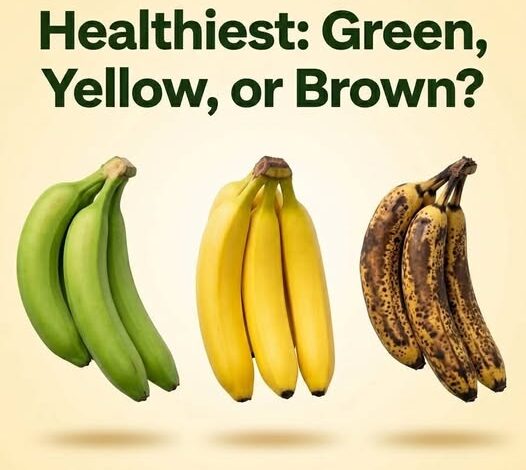
Most people don’t give much thought to the bananas sitting on their kitchen counter. A banana is a banana, right? You buy a bunch, wait for them to ripen, and eat them when they look appealing. But what many people don’t realize is that bananas undergo a remarkable transformation as they mature, and those changes affect far more than just their appearance.
The color of a banana’s peel can provide clues about how the fruit will taste, how easily it will digest, and even how your body may respond to it. Green, yellow, and brown-spotted bananas are all the same fruit, yet each stage offers a slightly different nutritional profile and set of benefits.
Understanding these differences can help you choose the right banana for your personal needs, whether you’re looking for sustained energy, digestive support, quick fuel, or a naturally sweet treat.
The Science Behind Ripening
Bananas don’t stop changing once they’re picked. In fact, the ripening process continues long after they leave the farm. During this process, enzymes inside the fruit gradually convert complex carbohydrates into simple sugars.
When a banana is green, much of its carbohydrate content exists as starch. As it ripens, those starches break down into natural sugars such as glucose, fructose, and sucrose. This transformation explains why a green banana tastes firm and slightly bitter while a ripe banana becomes soft and sweet.
The ripening process also affects texture, digestibility, and certain nutritional compounds, making each stage unique.
Green Bananas: The Fiber-Rich Option
Green bananas are often overlooked because they lack the sweetness many people expect. Their texture is firmer, and their flavor can be mildly starchy. However, these less-ripe bananas offer benefits that many nutrition experts find valuable.
One of their most notable features is their high resistant starch content. Resistant starch behaves similarly to dietary fiber because it resists digestion in the small intestine. Instead of being rapidly broken down into sugar, it travels farther through the digestive system, where it can help nourish beneficial gut bacteria.
Because resistant starch digests slowly, green bananas may help people feel fuller for longer periods. They can also lead to a more gradual release of energy, making them a popular choice among individuals who want to avoid sudden spikes and crashes in blood sugar levels.
Some studies suggest that resistant starch may support digestive health, improve feelings of satiety, and contribute to healthy blood sugar regulation when consumed as part of a balanced diet.
For people focused on weight management, gut health, or steady energy throughout the day, green bananas may offer advantages that fully ripe bananas do not.
Yellow Bananas: The Perfect Balance
The bright yellow banana is what most people think of as the ideal stage of ripeness. At this point, much of the resistant starch has been converted into natural sugars, creating the familiar sweetness that makes bananas so popular.
Yellow bananas offer a balance between energy and nutrition. They remain a good source of fiber while providing carbohydrates that are more readily available for the body to use as fuel.
This makes them a practical snack before exercise, during busy workdays, or anytime quick, convenient energy is needed.
Yellow bananas also contain important nutrients, including:
- Potassium, which supports muscle and nerve function
- Vitamin B6, which helps with metabolism and brain health
- Vitamin C, which contributes to immune function
- Magnesium, which supports muscles and bones
- Dietary fiber, which aids digestion
Because they are easy to eat, portable, and naturally packaged, yellow bananas remain one of the most convenient healthy snacks available.
Brown-Spotted Bananas: The Sweetest Stage
Many people see brown spots appearing on a banana and assume it is time to throw the fruit away. In reality, those spots are simply a sign that the ripening process has continued.
As bananas become spotted and darker, nearly all of their starches have been converted into simple sugars. This makes them significantly sweeter and softer than their greener counterparts.
Their softer texture can make them easier to digest for some individuals, particularly older adults or people recovering from illness. They are also ideal for smoothies, banana bread, muffins, pancakes, and other recipes that benefit from natural sweetness.
Research has suggested that antioxidant activity may increase as bananas ripen. Antioxidants help protect cells from damage caused by oxidative stress, which is a normal part of aging and everyday metabolism.
Although a brown banana may not look as appealing as a perfectly yellow one, it still contains valuable nutrients and can be an excellent addition to a healthy diet.
What About Blood Sugar?
One of the most common questions about bananas concerns their effect on blood sugar.
Because ripe bananas contain more simple sugars than green bananas, they generally have a greater impact on blood glucose levels. This does not mean ripe bananas are unhealthy, but it does mean that some people may prefer to choose their bananas strategically.
Individuals managing diabetes or blood sugar concerns often find that pairing a banana with protein or healthy fats helps create a more balanced snack.
Examples include:
- Banana slices with peanut butter
- Banana and Greek yogurt
- Banana with almonds or walnuts
- Banana blended into a protein smoothie
These combinations can help slow digestion and promote steadier energy release.
Are Bananas Good for Digestion?
Bananas have long been considered a digestive-friendly food, but the stage of ripeness can influence how they affect the body.
Green bananas contain more resistant starch, which may support beneficial gut bacteria and digestive health.
Ripe bananas, on the other hand, contain less resistant starch and are generally easier to digest. This is one reason bananas are often included in bland diets recommended during recovery from stomach upset.
The best choice often depends on the individual. Some people tolerate green bananas better, while others find ripe bananas easier on their digestive system.
Choosing the Right Banana for Your Needs
There is no single “best” banana. Instead, the ideal choice depends on what your body needs at the moment.
If you’re looking for:
Long-lasting energy and digestive support: choose a green banana.
Balanced nutrition and everyday snacking: choose a yellow banana.
Maximum sweetness and easy digestion: choose a brown-spotted banana.
Each stage offers its own advantages, and all can be part of a healthy eating pattern.
The Bottom Line
Bananas are far more dynamic than most people realize. As they ripen, they undergo a natural transformation that changes their flavor, texture, digestibility, and nutritional characteristics.
Green bananas provide resistant starch and steady energy. Yellow bananas offer a balance of sweetness and nutrition. Brown-spotted bananas deliver natural sweetness, easy digestibility, and valuable antioxidants.
Rather than judging a banana solely by its appearance, consider what stage of ripeness best matches your needs. The next time you reach for one, remember that the color of the peel tells a story—and each stage has something unique to offer.
A banana isn’t just a snack. It’s a fruit that changes with time, giving you different benefits every step of the way.