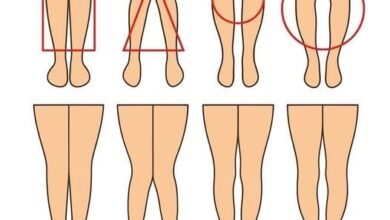
The Silent Killer in Your Limbs: 10 Natural Foods That Could Instantly Reduce Dangerous Swelling

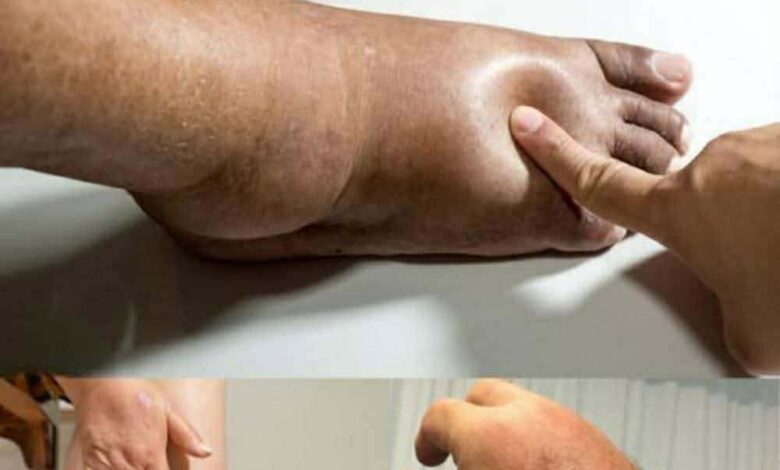
Do your hands feel tight when you wake up in the morning? Do your feet seem heavier by the end of the day, leaving your shoes suddenly uncomfortable? Many people dismiss occasional swelling as a normal part of getting older, sitting too long, or simply having a busy day. But when puffiness becomes persistent, your body may be trying to tell you something important.
Swelling, also known as edema, occurs when excess fluid becomes trapped in the body’s tissues. Sometimes the cause is harmless and temporary. Other times, it can signal underlying issues involving circulation, diet, medications, or even more serious health conditions. While mild swelling is often manageable through lifestyle changes, understanding what your body is communicating can make a significant difference in your overall health.
One of the most overlooked contributors to fluid retention is excess sodium.
Modern diets are packed with hidden salt. Processed foods, restaurant meals, packaged snacks, and even foods that don’t taste particularly salty can contain large amounts of sodium. When sodium levels rise, the body naturally holds onto water to maintain balance. The result can be swelling in the hands, feet, ankles, and legs.
This is where potassium becomes incredibly important.
Potassium helps counterbalance sodium and supports healthy fluid regulation. Foods rich in potassium encourage the body to release excess sodium through the kidneys, helping reduce fluid retention naturally.
Bananas are among the most well-known potassium-rich foods, but they are far from the only option. Avocados, oranges, sweet potatoes, and spinach also provide significant amounts of this essential mineral. Incorporating these foods into daily meals may help support healthier fluid balance and reduce feelings of puffiness over time.
Hydration also plays a surprisingly important role.
Many people assume that swelling means they should drink less water. In reality, the opposite is often true. When the body senses dehydration, it may begin conserving water as a protective mechanism. This can contribute to fluid retention and make swelling worse.
Proper hydration signals the body that water is readily available, reducing the need to hold onto excess fluid.
Foods with high water content can provide additional support. Cucumbers, for example, are composed mostly of water and contain compounds that may help support healthy tissue function. Adding cucumber slices to water or including them in salads is a simple way to boost hydration.
Watermelon offers similar benefits. Its high water content, combined with nutrients such as vitamins A and C, makes it a refreshing option that may help support healthy fluid movement throughout the body.
Leafy green vegetables deserve special attention as well.
Spinach, kale, Swiss chard, and other dark greens provide both potassium and magnesium, two nutrients closely linked to healthy circulation and fluid regulation. Magnesium, in particular, plays a role in maintaining normal blood vessel function and supporting muscle relaxation.
When circulation improves, blood and fluids move more efficiently throughout the body, reducing the tendency for swelling to accumulate in the extremities.
For many people, increasing vegetable intake is one of the simplest and most effective dietary changes they can make.
Berries provide another powerful tool.
Blueberries, strawberries, raspberries, and blackberries are rich in antioxidants known as anthocyanins. These compounds help protect blood vessels from oxidative stress and support healthy circulation. Healthy blood vessels are better able to move fluids efficiently, reducing the likelihood of pooling and swelling.
A serving of berries with breakfast or as a snack can provide both nutritional benefits and a natural source of sweetness without excessive sodium or processed ingredients.
Pineapple is another fruit often associated with reducing inflammation.
It contains bromelain, an enzyme that has attracted attention for its potential anti-inflammatory properties. Some studies suggest bromelain may help reduce swelling associated with certain injuries and inflammatory conditions. While pineapple is not a cure-all, it can be a healthy addition to a balanced diet focused on supporting overall wellness.
Celery is frequently mentioned for similar reasons.
Its high water content and naturally occurring compounds may support hydration and normal fluid regulation. Whether eaten raw, added to soups, or blended into smoothies, celery can contribute to a hydration-focused eating plan.
Certain herbs and spices may also provide support.
Ginger has been used for centuries in traditional medicine and is known for its anti-inflammatory properties. Turmeric, which contains the active compound curcumin, has also been widely studied for its role in supporting the body’s natural inflammatory response.
Adding fresh ginger to tea or incorporating turmeric into meals can be a simple way to increase dietary variety while potentially supporting overall health.
Nuts and seeds offer another valuable source of magnesium.
Almonds, cashews, pumpkin seeds, and sunflower seeds provide nutrients that support circulation, muscle function, and fluid balance. However, there is one important caveat: choose unsalted varieties whenever possible.
Many packaged nuts contain enough added sodium to offset some of their potential benefits. Reading labels carefully can help ensure you’re supporting your body’s efforts to reduce fluid retention rather than contributing to it.
Of course, food is only part of the equation.
Regular movement is one of the most effective ways to improve circulation. Long periods of sitting or standing can encourage fluid to collect in the lower legs and feet. Even short walks throughout the day can help stimulate blood flow and support healthier fluid movement.
Elevating the legs, wearing properly fitted footwear, and maintaining a healthy body weight may also help reduce swelling in some individuals.
However, it is important to recognize when swelling may indicate something more serious.
Persistent edema, especially when accompanied by shortness of breath, chest discomfort, sudden weight gain, severe pain, or swelling that appears suddenly, should never be ignored. Conditions involving the heart, kidneys, liver, blood vessels, or lymphatic system can sometimes present with swelling as an early symptom.
In these situations, medical evaluation is essential.
No food, supplement, or home remedy should replace professional medical care when warning signs are present.
The encouraging news is that many cases of mild swelling respond well to simple lifestyle adjustments. Eating nutrient-rich foods, staying hydrated, reducing excess sodium, remaining physically active, and supporting circulation can all contribute to noticeable improvements over time.
Your body has remarkable ways of communicating its needs.
Swelling is often one of those signals.
Rather than ignoring it, paying attention to what your body is telling you may help uncover habits that need adjustment and encourage healthier choices that benefit your overall well-being.
Sometimes the path to feeling lighter, more comfortable, and more energized begins with something surprisingly simple: listening to the messages your body has been sending all along.