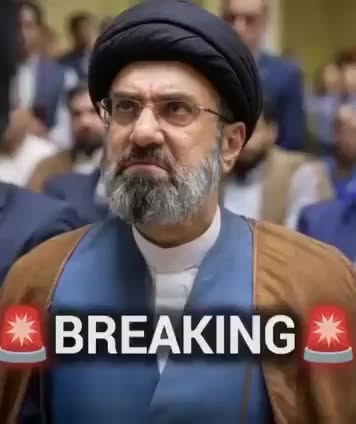
Diplomatic efforts involving the United States and Iran continue amid heightened tensions in the Middle East, where military activity, economic pressure, and longstanding political disagreements have created a complex and fragile situation. While officials on all sides have publicly expressed interest in avoiding a broader conflict, significant differences remain over how to reduce tensions and address concerns related to regional security and Iran’s nuclear program.
The Strait of Hormuz remains a focal point of international attention due to its importance as one of the world’s most significant maritime routes for global energy shipments. Any disruption to traffic through the strait can affect international shipping, energy markets, and economic stability far beyond the region. As a result, governments, businesses, and security analysts continue to closely monitor developments.
Iranian officials have repeatedly emphasized the importance of economic relief and respect for national sovereignty in any future agreement. At the same time, U.S. policymakers have argued that any diplomatic arrangement should address a broad range of security concerns, including nuclear activities, regional stability, and international monitoring measures. These differing priorities have contributed to the slow and often difficult pace of negotiations.
One of the central challenges remains the issue of trust. Relations between Washington and Tehran have been shaped by decades of political disagreements, sanctions, diplomatic disputes, and shifting policies. As a result, both sides approach negotiations with caution, seeking assurances that any commitments made will be honored and sustained over time.
Experts note that any comprehensive agreement would likely involve multiple components, including limitations on nuclear activities, enhanced international inspections, and measures designed to reduce the risk of military escalation. Broader regional concerns—including maritime security, missile programs, and relationships with regional partners—may also influence the direction of future discussions.
The economic implications of the situation remain significant. Global energy markets are particularly sensitive to developments involving the Strait of Hormuz, and uncertainty can contribute to fluctuations in oil prices, shipping costs, and broader market conditions. Governments around the world continue to monitor the situation due to its potential impact on international trade and economic stability.
Observers caution that diplomacy often progresses slowly, particularly when complex security issues and longstanding political disagreements are involved. While public statements frequently emphasize firm positions, negotiations often require gradual confidence-building measures and carefully structured compromises that allow all parties to protect their interests.
Should diplomatic efforts produce meaningful progress, the benefits could extend beyond the immediate parties involved. Reduced tensions could improve regional stability, support international commerce, and lower the risk of military confrontation. Greater cooperation could also create opportunities for future discussions on broader security and economic issues.
Conversely, a breakdown in negotiations could increase uncertainty and raise concerns about further escalation. Analysts emphasize the importance of continued communication, restraint, and diplomatic engagement as mechanisms for reducing risks and preventing misunderstandings that could worsen an already tense situation.
For now, discussions continue behind the scenes while governments, markets, and international organizations watch closely. The outcome remains uncertain, but the stakes are widely recognized as significant—not only for the United States and Iran, but also for regional security and the global economy.
As events unfold, policymakers on all sides face difficult choices. The challenge will be finding a path that addresses security concerns, supports stability, and reduces the risk of conflict while allowing diplomacy to remain the primary tool for resolving disagreements. Until clearer developments emerge, caution, patience, and continued dialogue are likely to remain essential components of the process.