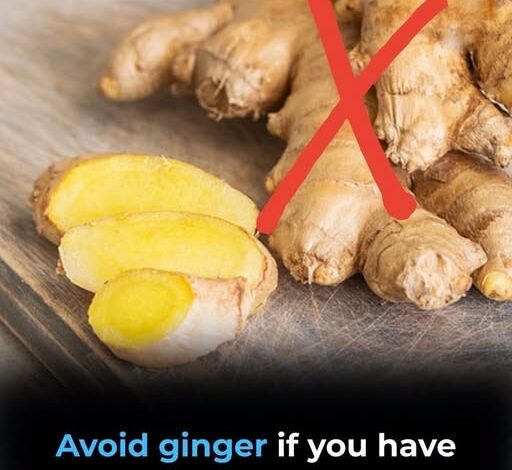
For generations, ginger has enjoyed an almost legendary reputation.
It is stirred into teas when colds strike. Added to meals for flavor and digestion. Recommended by wellness enthusiasts, traditional healers, and even family members who swear by its soothing effects. Walk through any grocery store or health-food shop, and you’ll find ginger promoted as a natural remedy for everything from nausea and inflammation to digestive discomfort and muscle soreness.
And in many cases, those claims are supported by research.
Ginger contains powerful plant compounds that have been studied for their anti-inflammatory, antioxidant, and digestive-supporting properties. For many healthy individuals, moderate amounts of ginger can be a beneficial addition to a balanced diet.
But there is an important detail that often gets overlooked.
Natural does not automatically mean risk-free.
Like many biologically active foods and herbs, ginger can interact with certain health conditions, medications, and physiological processes in ways that may not be appropriate for everyone.
Understanding those situations is essential because what benefits one person may create complications for another.
One group that should exercise particular caution includes individuals with bleeding disorders or those taking blood-thinning medications.
Ginger contains compounds that may influence platelet function and blood clotting. While this effect is generally mild when ginger is consumed in normal culinary amounts, larger quantities—especially through supplements or concentrated extracts—may increase the risk of bleeding in susceptible individuals.
For people taking medications such as warfarin, aspirin, clopidogrel, or certain anticoagulants, combining these treatments with large amounts of ginger could potentially increase bleeding risk.
This doesn’t necessarily mean ginger must be avoided entirely, but it does mean healthcare providers should be consulted before introducing high doses into a daily routine.
Another area where caution is warranted involves blood sugar management.
Research suggests that ginger may help improve insulin sensitivity and influence blood glucose levels. For some individuals, this may be viewed as a positive effect.
However, people who already use insulin or blood-sugar-lowering medications must be careful.
Combining multiple glucose-lowering influences can sometimes contribute to hypoglycemia, a condition in which blood sugar falls too low. Symptoms may include dizziness, sweating, shakiness, confusion, weakness, and in severe cases, loss of consciousness.
Anyone managing diabetes should discuss significant dietary changes or supplement use with their healthcare provider to ensure safe blood sugar control.
Heart health presents another important consideration.
Ginger has been studied for its effects on circulation and cardiovascular function, with some research suggesting potential benefits when consumed appropriately. However, concentrated doses may interact with certain heart medications or affect blood pressure regulation in some individuals.
Because heart conditions often involve carefully balanced treatment plans, any supplement or herbal product capable of influencing circulation deserves careful consideration.
Patients under the care of a cardiologist should always discuss regular supplement use before incorporating large amounts of ginger into their routines.
Pregnancy is another situation where context matters.
Ginger is widely recognized as a popular remedy for nausea and morning sickness, particularly during early pregnancy. Many healthcare providers consider moderate use acceptable for this purpose.
However, recommendations can vary depending on individual circumstances.
Some experts advise caution with high-dose ginger supplements during later stages of pregnancy, especially among individuals with high-risk pregnancies or histories of pregnancy complications.
As with any supplement during pregnancy, personalized medical guidance remains the safest approach.
Digestive health can also influence how the body responds to ginger.
For many people, ginger supports digestion and helps relieve occasional stomach discomfort. It may stimulate digestive processes and encourage the movement of food through the gastrointestinal tract.
Yet for certain individuals, these same effects can become problematic.
People with gallstones, active ulcers, severe acid reflux, or other gastrointestinal conditions may experience increased discomfort after consuming significant amounts of ginger. Because ginger can influence stomach acid production and bile flow, those with existing digestive disorders should monitor their symptoms carefully and seek medical advice if concerns arise.
The larger lesson extends beyond ginger itself.
Modern wellness culture often encourages people to search for a single food, supplement, or ingredient capable of solving multiple health problems at once. The reality is far more nuanced.
Human health is deeply individual.
Age.
Medical history.
Medications.
Genetics.
Lifestyle.
Every one of these factors influences how the body responds to a particular substance.
A food that supports one person’s wellness may not be appropriate for someone else.
That doesn’t make the food good or bad.
It simply reflects the complexity of human biology.
Fortunately, people who cannot tolerate ginger still have numerous options available.
Those seeking anti-inflammatory support may benefit from a diet rich in colorful fruits, vegetables, healthy fats, and other plant-based compounds. Turmeric, when appropriate and approved by a healthcare provider, is often explored as another option.
Individuals focused on digestive comfort might consider chamomile tea, peppermint preparations, or dietary adjustments tailored to their specific needs.
Those working to support blood sugar control can focus on fiber-rich foods, regular physical activity, balanced meals, and professional medical guidance.
The key is finding solutions that fit individual circumstances rather than relying on universal recommendations.
Perhaps the most important takeaway is that informed choices are always better than assumptions.
Ginger remains a valuable and well-studied ingredient with a long history of culinary and traditional use. For many people, it can be enjoyed safely as part of a healthy lifestyle.
But its biological activity deserves respect.
Understanding both its benefits and its limitations allows people to make decisions based on evidence rather than trends.
In the end, true wellness rarely comes from a miracle food or a single health hack.
It comes from knowledge.
Balance.
Consistency.
And a willingness to listen to both science and your own body’s signals.
So enjoy ginger if it works for you.
Appreciate its flavor.
Respect its potential.
And remember that the healthiest approach is always the one tailored to your unique needs—not someone else’s wellness trend.