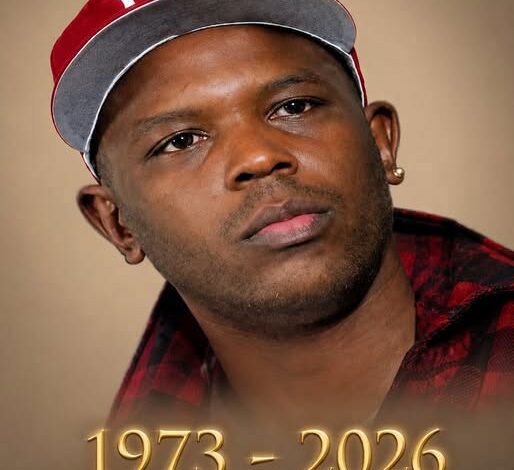
History often remembers the voices on the microphone, but it is just as often shaped by the people working quietly behind it. Oliver “Power” Grant was one of those architects. His passing at 52 is a reminder that the Wu-Tang Clan’s extraordinary success was never built on music alone—it was built on a vision that reached far beyond the recording studio.
Long before artist ownership became an industry goal, Grant recognized that Wu-Tang’s greatest asset wasn’t simply its sound. It was its identity. He believed the group could become more than a collection of gifted emcees; it could become a brand, a business, and a lasting cultural institution. That belief helped influence decisions that allowed the collective to grow on its own terms rather than following the traditional blueprint imposed by record labels.
One of his most enduring contributions was helping transform Wu-Tang into a business empire. At a time when most artists relied almost entirely on album sales and touring, Grant saw opportunity in ownership. His work on Wu Wear became one of hip-hop’s earliest and most successful artist-driven clothing brands, proving that musicians could build companies around their culture instead of simply licensing their names to others. The familiar “W” logo evolved from an album emblem into a global symbol recognized far beyond the world of rap.
Grant approached hip-hop with the mindset of a builder. He understood that creativity alone wasn’t enough; it had to be paired with strategy, planning, and control over the business behind the art. His influence helped reinforce the idea that artists should own their stories, protect their intellectual property, and create opportunities that would outlast any single hit record.
Although he rarely occupied the spotlight, his fingerprints can be found throughout Wu-Tang’s legacy. The group’s groundbreaking business model, its expansion into fashion and merchandising, and its emphasis on collective ownership all reflect the kind of long-term thinking that Grant championed from the beginning.
Today, his influence continues to echo wherever the Wu-Tang symbol appears—on clothing, concert stages, murals, record collections, and in conversations about independent artistry. It serves as a reminder that lasting cultural movements are built not only by performers, but also by the visionaries who recognize potential before the rest of the world can see it.
Oliver “Power” Grant leaves behind more than memories of a remarkable career. He leaves a blueprint for creative ownership, entrepreneurial thinking, and the belief that artists deserve to shape not only their music, but their future. His voice may have been quieter than many around him, but the foundation he helped build continues to support one of hip-hop’s most influential legacies.